
How to Choose the Perfect Shower Hose for Your Bathroom
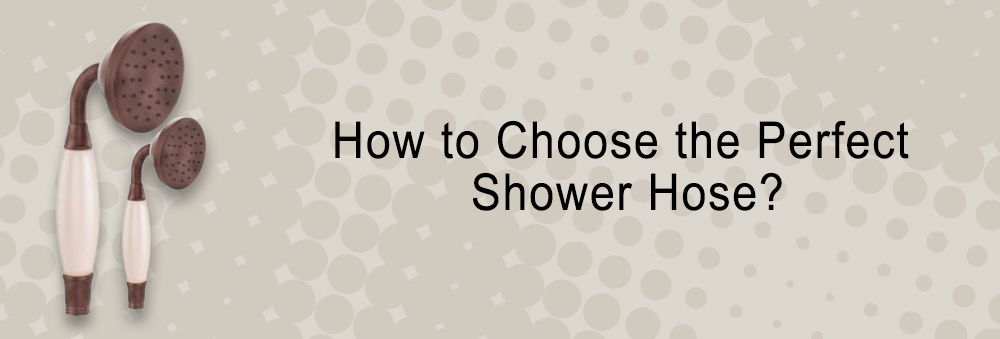
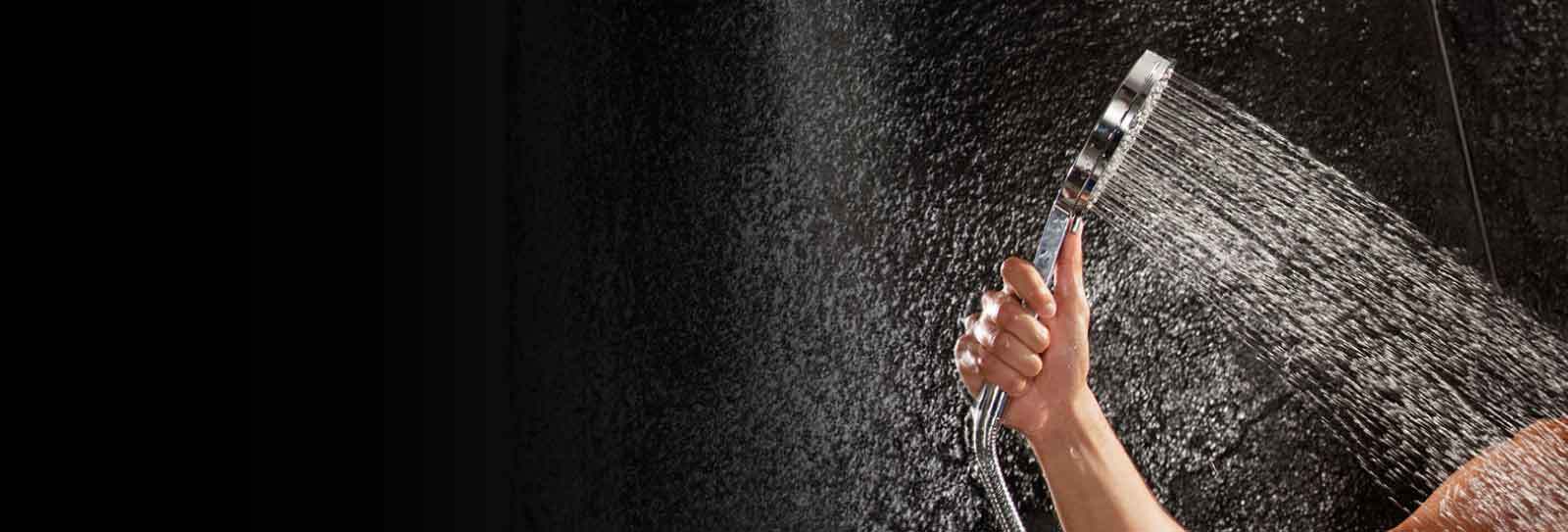
You probably don’t think twice about your shower hose until it starts acting up. One day it’s working just fine, and the next? It’s leaking, stiff, tangled like a phone cord from the 90s, or just not reaching where you need it to. That’s when you realise this humble bathroom essential plays a much bigger role than you ever gave it credit for.
Whether it’s helping you rinse off after a long day or clean the tub before guests arrive, your shower hose does a lot of behind-the-scenes work. But not all shower hoses are created equal. And picking the right hose makes all the difference in daily comfort and ease. At Jaquar UK, we make it easier with a wide range of shower heads, hoses, and arms designed to work beautifully together. So, let’s break down how to choose the perfect shower hose.
Understand the Different Types of Shower Hoses
Not all flexible shower hoses are built the same way, and the design you pick affects both durability and daily convenience.
- Conical (coil) hoses have a spring-like, ribbed structure. They're tangle-resistant and flexible, making them a popular choice for family bathrooms where the hose gets pulled, twisted, and stretched often.
- PVC-coated hoses are lightweight and budget-friendly, offering decent flexibility for standard use, though they tend to show wear faster under constant hard water exposure.
- Stainless steel braided hoses are wrapped in a woven metal outer layer over an inner rubber core. They're the most durable option, resistant to punctures, kinking, and high water pressure, which is why they're often specified for power showers.
- Chrome-plated brass hoses combine strength with a polished finish, ideal when you want the hose itself to look as refined as the rest of your fittings.
Knowing which construction suits your household, whether it's a low-maintenance family bathroom or a design-led ensuite, helps narrow the choice before you even get to finish and length.
Water Pressure and Thermostatic Shower Compatibility
A shower hose isn't just a connector; it needs to handle the water pressure your system delivers. Combi boilers, gravity-fed systems, and pumped showers all operate at different pressures, and using a hose rated below your system's output can lead to premature bulging, leaks, or even bursts.
If you're upgrading to a thermostatic or digital shower, check that the hose's bore size and pressure rating match the unit's specifications. Most Jaquar UK hoses are tested for standard UK domestic pressure ranges, but for high-pressure or pumped systems, opting for a reinforced or braided hose adds a useful safety margin.
Maintenance Tips to Extend Your Shower Hose's Life
Even the best-quality hose will degrade faster without basic upkeep, particularly in hard water areas common across much of the UK.
- Wipe it down after use. Limescale builds up quickly on wet surfaces; a quick wipe with a dry cloth prevents mineral deposits from settling into the hose's ridges or coating.
- Descale regularly. Soak the shower head end in a diluted white vinegar solution once a month to dissolve limescale before it restricts flow or stiffens the hose material.
- Avoid over-stretching or twisting. Coiled and braided hoses are flexible, but repeatedly yanking them to their full length strains the internal fittings over time.
- Check the connections. Loose fittings are one of the most common causes of slow leaks. Hand-tighten nuts periodically, and replace any rubber washers that look worn or flattened.
- Store it properly. Letting the hose hang naturally, rather than coiling it tightly around the shower arm, reduces stress on the material and prevents kinking.
A little routine care goes a long way toward preserving both performance and appearance.
Material Matters: Go for Durability and Flexibility
When it comes to shower hoses, not all are made equal. Some might look sleek at first, but start showing wear and tear in a few months. Our hoses are often coated with plastic or chromium. These materials aren’t just strong and long-lasting; they also resist corrosion and maintain flexibility, making your daily shower experience smoother.
Check the Length: It’s All About Comfort
Ever tried rinsing off your feet or washing your pet, only to realise your shower hose just doesn’t reach far enough? Yep, we’ve all been there, doing weird bathroom yoga to make it work. For most bathrooms, a 1.25 to 1.5 metre hose does the job just fine. But if you’ve got a larger shower area or a deep bathtub, go for a longer one (around 2 metres).
Mind the Fittings: Compatibility is Key
Before you buy, double-check the compatibility between your shower head and hose. Oh, and don’t forget the shower arm! Most Jaquar shower hoses come with universal ½-inch fittings, which means they’ll work with nearly all standard shower heads. But it’s always best to make sure everything aligns.
The beauty of choosing from Jaquar UK is that our full range of bathroom fittings is designed to work seamlessly together, so you’re not left guessing (or googling) whether things will fit.
Aesthetic Choices: Yes, Your Hose Should Match
Your bathroom is your personal retreat. So, it makes sense that even the details, like your shower hose, should look the part. Whether your vibe is sleek chrome, bold matte black, or warm gold tones, your hose should match your shower head, arm, and overall finish.
The Jaquar UK range comes in up to 12-14 finishes, from classic chrome to contemporary brushed nickel and trendy rose gold. So your bathroom doesn’t just feel good, it looks perfectly put together.
Common Shower Hose Problems and How to Fix Them
Most shower hose issues are minor and fixable without a full replacement:
- Leaking at the connection point is usually caused by a worn washer or a loose nut. Replacing the washer is a five-minute fix.
- Kinking or reduced water flow often points to internal damage in a cheaper PVC hose, or limescale buildup restricting the bore. Descaling helps, but persistent kinking means it's time to switch to a coil or braided design.
- Reduced water pressure at the shower head may not be the hose at all. It's worth checking the shower head nozzles for limescale before assuming the hose is at fault.
- Visible cracking or discolouration signals the outer coating is breaking down, usually from prolonged UV or chemical exposure (bleach-based cleaners are particularly harsh). This is a sign to replace rather than repair.
Signs It's Time to Replace Your Shower Hose
A shower hose typically lasts between two and five years, depending on material quality, water hardness, and daily use. Look out for these warning signs rather than waiting for a full failure:
- Stiffness or reduced flexibility when moving the hose
- Persistent dripping even after tightening the fittings
- Cracks, splits, or discolouration along the coating
- A musty smell, which can indicate mould or mildew inside the hose
- Visible rust on metal fittings or braided sections
Replacing a hose proactively is far less disruptive (and less costly) than dealing with water damage from a burst hose later on.
Look for Certified, Water-Efficient Options
When comparing shower hoses, certification matters as much as finish. In the UK, look for hoses that meet WRAS (Water Regulations Advisory Scheme) approval, which confirms the product meets UK water fittings regulations for safety and hygiene. This is especially relevant if you're renovating a rental property or a home you plan to sell, where compliance can matter to future buyers or tenants.
It's also worth pairing your hose with a water-efficient shower head. While the hose itself doesn't control flow rate, choosing a low-flow or aerated shower head alongside a well-fitted hose can noticeably reduce water and energy usage, without compromising shower pressure or comfort.
Match it with the Right Shower Head and Shower Arm
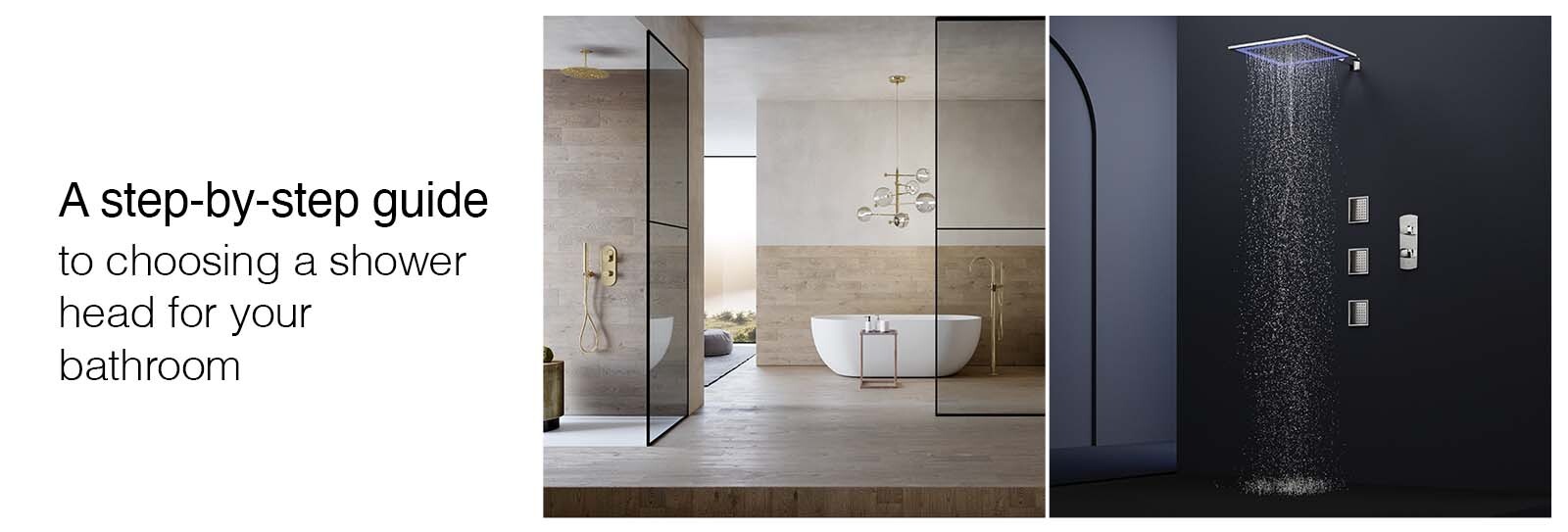
Your shower head and hose should complement the shower arm for both form and function. Whether you prefer a rainfall effect or a powerful jet spray, Jaquar UK’s range of hand showers and shower heads gives you the freedom to mix and match styles.
Not sure how to pair them up? That’s where Jaquar’s free design consultation service comes in handy. Our experts help you visualise the full setup using 3D design models, so you know exactly how it’ll look and function before you commit.
Conclusion
The humble shower hose might not steal the spotlight in your bathroom, but choosing the right one can make a world of difference in comfort, performance, and even style. From the right material and length to perfect finishes and smart fittings, every detail matters.
With Jaquar UK, you don’t just get a product, you get a promise of quality, design, and support. Explore our collection of shower heads, shower arms, and shower hoses, and if you need a little guidance? Book a free consultation, and let us help you build the bathroom you’ve always dreamed of.
Frequently Asked Questions:-
How often should I replace my shower hose?
Most shower hoses need replacing every two to five years, depending on water hardness and usage. Inspect it every few months for stiffness, cracking, or leaks.
Can I fit a new shower hose myself?
Yes. Most shower hoses use a standard ½-inch fitting that simply screws on by hand and is secured with a spanner for a final quarter-turn. No plumbing expertise is required, though it's worth turning off the water supply first if your shower is pumped.
Does a longer hose reduce water pressure?
A longer hose won't meaningfully reduce pressure on its own, but a narrower bore or kinked hose will. Choose a hose with an appropriate diameter for your shower system rather than judging by length alone.
Are stainless steel hoses better than PVC ones?
Stainless steel braided hoses are more durable and better suited to high-pressure systems, while PVC hoses are lighter and more affordable for standard low-to-medium pressure setups. The right choice depends on your water pressure and budget.
What causes a shower hose to leak at the top?
Leaks near the shower head connection are typically due to a worn or missing rubber washer, or a loose-fitting nut. Both are simple, low-cost fixes.



-54x36.jpg)


