
Showering
Premium Shower Solutions for Your Bathroom Renovation or Remodel
Showering
What are the Types Of Shower Products?
Our showers offer up to five invigorating flows: normal, soft, massage, cascade, and mist, giving you the freedom to enjoy a personalised spa-like experience every day.
Shower Heads
Choosing the right shower heads can completely redefine your daily routine. Jaquar offers a variety of options to suit functionality and style:
-
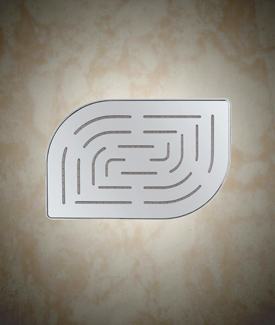
- Rainfall shower heads that create a natural, soothing downpour (e.g., Tiaara Rainjoy).
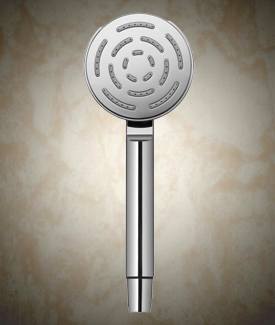
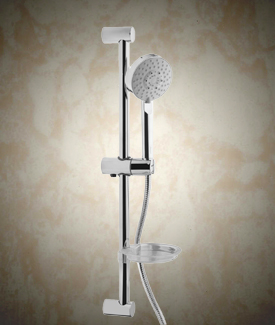
- Handheld shower heads for flexibility and ease of use.
- Overhead shower heads with foam and cascade flows for a gentle yet refreshing bath.
- Multi-function shower heads with various spray patterns (e.g., Multifunction 95mm Round Hand Shower).
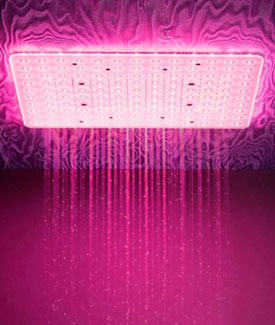
- LED-illuminated shower heads for an innovative touch of luxury (e.g., Rainjoy Lumos).
Shower Faucets and Controls
Upgrade your shower remodel with sleek faucets and advanced controls. Jaquar’s range includes
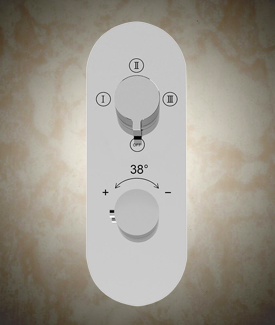
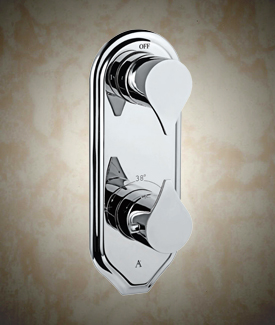
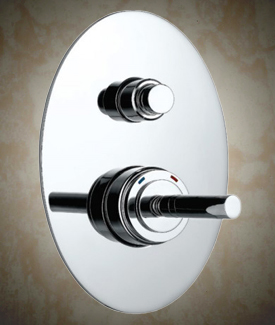
- Thermostatic concealed shower valves for precise and safe temperature regulation (e.g., Aquamax 3).
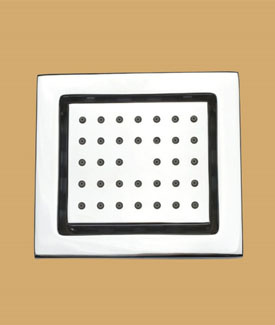
- Body jets for a targeted massage-like spray to relieve tension.
- Digital shower controls with touch or electronic panels for effortless usage (e.g., Showertronic iV6).
- Wall-mounted and ceiling-mounted faucets that save space without compromising style.
Shower Systems
For a complete shower renovation, Jaquar offers all-in-one systems designed for maximum comfort:
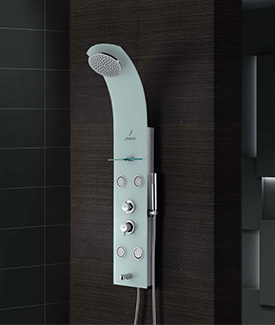
- Full shower systems with showerheads, handheld units, body jets, and shower outlets (e.g., Shinny Shower Panel).
- Spa-like shower systems with advanced features for a rejuvenating bath (e.g., Rainjoy+ Shower).
Shower Enclosures
Define your shower space with stylish shower enclosures from Jaquar UK:
- Framed glass enclosures for a luxurious look (e.g., Delta).
- Wall-to-wall enclosures with sliding doors for modern functionality (e.g., Optima).
Shower Doors
Add elegance and privacy to your bathroom with:
- Glass shower doors in varied finishes
- Frosted or textured designs for privacy.
- Frameless or semi-frameless options for a contemporary appeal.
Shower Accessories
Complete your remodel with smart accessories:
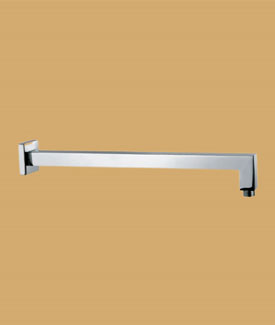
- Shower arms, shower rods, towel holders, and railings for style and convenience.
- Durable fittings like the Round Shower Arm & Queen's Towel Ring, Round-Antique Copper.
Smart Shower Technology
Take your shower experience into the future with:
- Bluetooth or Wi-Fi-enabled digital showers (e.g., Showertronic iV6).
- Voice-controlled smart systems.
- Digital displays for water temperature and consumption insights.
Each of these shower solutions plays a vital role in adding to the comfort, convenience, and design. Whether you’re looking to add the elegance of frameless shower doors, the advanced functionality of digital controls, or the rejuvenating feel of body jets, Jaquar UK provides innovative options to meet every need.
What are the factors that influence choosing shower products?
When planning a shower renovation, consider the following:
- Quality of Materials: Quality of Materials: Jaquar uses corrosion-resistant, long-lasting materials.
- Innovative Technology: Thermostatic controls, digital interfaces, and smart integration.
- Design and Aesthetics: Products that complement your overall bathroom design.
- Functionality and Features: Versatile spray patterns, LED lighting, and eco-friendly options.
- Ease of Installation: Flexible installation and professional support for a seamless upgrade.
By choosing the right combination of products, you can transform your bathroom into a sanctuary that reflects your style while delivering the ultimate showering experience
Why Choose Jaquar for Shower Products?
When investing in a shower remodel or shower renovation, quality and reliability are just as important as design and style. We offer not only innovative products but also unmatched trust and long-term value.
Here’s what makes us a good choice for homeowners:
- Premium Finishes:Uses high-quality materials like solid brass, stainless steel, and durable plastics.
- Durability: Long-lasting materials resistant to tarnish and corrosion.
- Warranty: Up to 10 years of assurance on shower products.
- Jaquar Care: Exceptional customer support, ensuring peace of mind after purchase.
Jaquar Uk helps you transform ordinary bathrooms into extraordinary retreats. Whether you are starting a fresh shower remodel or updating key elements in your existing space, our collection offers the perfect balance of technology, design, and comfort.
Planning a Shower Around Your Bathroom's Plumbing
A well-designed shower depends on more than the visible shower head and controls. The water supply, pipework, valve, outlet and installation arrangement all influence how the complete system performs. Understanding these elements before choosing products can help avoid compatibility issues and unnecessary alterations during a bathroom renovation.
Start by establishing the type of water system in the property and the pressure and flow available at the proposed shower location. These conditions can vary between homes, so a shower that performs well in one property may not deliver the same experience in another.
Water pressure describes the force with which water moves through the system, while flow rate describes the volume delivered over a given period. Both are relevant when selecting shower fittings. The available supply, pipework and selected products must work together within the manufacturer's specified operating conditions.
Before ordering a shower valve or complete shower system, review its technical documentation and confirm the required operating conditions. If the water pressure is low, the flow fluctuates or the existing shower has persistent performance problems, have the installation assessed by a qualified plumber.
This is particularly important when replacing a shower in an older property. Existing pipework may have been designed around a different fitting or water supply arrangement. Checking compatibility at the planning stage helps ensure that the selected products are suitable for the actual installation rather than relying on assumptions based on appearance.
Understanding Thermostatic Shower Controls
Temperature control is an important part of a comfortable and predictable showering experience. A thermostatic shower valve is designed to regulate the mixed water temperature in accordance with its specifications and operating conditions.
When selecting a thermostatic shower valve, consider how the shower will be used, the available water supply and the installation requirements. The valve must be suitable for the intended system, and the hot and cold supplies must be connected correctly.
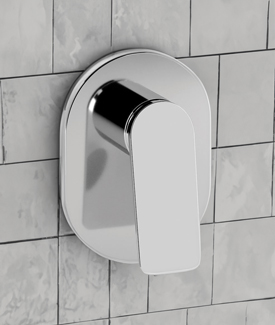
The Jaquar UK collection includes thermostatic concealed shower valves, including separate Jaquar and Artize categories. Concealed fittings can help create a streamlined appearance because the visible controls are separated from much of the installation behind the finished wall. However, the concealed components require careful planning before tiling or closing the wall.
Confirm the position of the controls and outlets in relation to the showering area. The controls should be accessible, while the outlet should direct water into the intended area without creating unnecessary splash. The manufacturer's installation instructions should determine the correct positioning and connection requirements.
A thermostatic valve should not be treated as a guarantee against every possible temperature-related risk. Performance depends on correct installation, suitable supply conditions and the particular product's capabilities. Where additional scald-prevention measures are required, assess the complete plumbing arrangement with a qualified professional.
For a renovation, establish the valve type and concealed installation requirements before the wall finishes are selected. This can help coordinate the plumbing, tile layout and final appearance more effectively.
Selecting the Right Shower Outlet for Everyday Use
The shower outlet determines how water is delivered to the user. The most suitable arrangement depends on the available space, the intended showering experience and the compatibility of the selected components.
An overhead shower can create a different experience from a handheld shower. The overhead outlet provides a fixed point of delivery, while a handheld shower offers flexibility for rinsing and other everyday tasks. Some arrangements can combine different outlets, provided the chosen valve and system are designed to support them.
Consider the height and position of the shower head in relation to the users and the showering area. A head positioned too close to a wall or enclosure may not distribute water as intended. Similarly, the available ceiling height and the position of the shower arm can affect how the installation fits into the room.
A handheld shower should be positioned so that it can be reached and returned to its holder comfortably. If the shower is shared by people of different heights or needs, consider how easily the controls, handset and shower rail can be used by everyone.
The Jaquar UK showering collection includes shower heads, shower arms, handsets and shower hoses, shower outlets and slide rails. Check the individual product details when combining components, particularly where the installation involves a concealed valve or multiple outlets.
Do not assume that all shower heads, hoses and valves can be combined interchangeably. The compatibility of the components and the intended operating arrangement should be confirmed before purchase.
Making Multiple Shower Outlets Work Together
A shower system with more than one outlet requires additional coordination. For example, an installation may combine an overhead shower with a handheld shower or other outlets, depending on the selected products.
The important consideration is whether the valve and associated components are designed to operate the intended combination. The number of outlets alone does not establish whether they can run simultaneously or how the system will perform.
Before choosing a multi-outlet shower system, confirm the functions supported by the selected valve, the available water supply and the installation requirements. If the design includes body jets, an overhead shower and a handset, each component needs to be considered as part of the same system.
The control arrangement should also be easy to understand. Users should be able to identify the intended controls and operate the shower without confusion. Where several outlets are included, establish their positions and operating functions before the wall and pipework are completed.
A more complex shower system may also require more detailed planning for maintenance. Concealed components should be installed with the access provisions specified by the manufacturer. Keep the product documentation so that the system can be identified if a component requires inspection or servicing later.
For a new bathroom, plan the complete shower configuration before purchasing individual fittings. This helps avoid selecting visually compatible products that are not technically suitable for the same installation.
Planning Shower Installation in a New Build or Renovation
The installation method can influence the bathroom layout, construction sequence and future maintenance requirements. A concealed shower installation, for example, needs coordination between the plumber, bathroom designer and installer responsible for the finished wall.
Begin by confirming the position of the shower area, the type of enclosure and the locations of the controls and outlets. Then check the selected products' technical drawings and installation instructions. These should guide the required dimensions and connection positions.
For concealed valves, establish the required installation depth and the position of the controls before the wall is finished. The final tile thickness and wall construction should be taken into account in accordance with the manufacturer's instructions.
The shower enclosure should be planned at the same time. Its door opening, fixed panels and available internal space can influence where the shower head and controls should be positioned. A layout that looks balanced on a drawing may be less convenient if a door obstructs access to the controls or if the shower outlet directs water towards an opening.
Explore the shower enclosures collection when coordinating the showering area. The available options include walk-through, wall-to-wall, corner and tub-mounted arrangements, with the specific configuration depending on the product selected.
Drainage and water containment are equally important. The shower area should be planned with suitable drainage, waterproofing and installation details for the chosen design. These elements need to be resolved as part of the complete bathroom project rather than treated as finishing details after the shower has been fitted.
Shower Design for Compact Bathrooms and En Suites
A compact bathroom requires careful coordination because the shower must work alongside the basin, toilet, storage and door openings without making the room difficult to use.
Start with the available footprint and the position of existing plumbing. The shower enclosure, controls and outlets should be selected according to the space rather than assuming that a particular design will fit every layout.
Door movement is especially important. A hinged enclosure door may need clear space to open, while another arrangement may suit a narrower layout better. Consider the route into the shower and the room's main circulation space before confirming the enclosure.
The location of the basin can also influence how practical the shower area feels. If the basin sits close to the enclosure, allow for comfortable access and check whether the door or fixed glass panel interferes with its use. The basin collection can be considered alongside the shower layout when coordinating sanitaryware in a compact room.
In an en suite, the shower may be used frequently within a relatively small space. Easy access to controls, a suitable shower outlet position and practical cleaning access can therefore be as important as the overall appearance.
For a larger bathroom, the design may allow more flexibility in the positioning of the outlets and controls. However, the same principles still apply: confirm the dimensions, installation requirements and compatibility of the products before work begins.
Cleaning and Maintaining Shower Fittings
Regular care helps preserve the appearance of shower fittings and can make it easier to identify problems before they become more disruptive. Cleaning requirements depend on the product, its finish and the manufacturer's instructions.
Follow the recommended cleaning guidance for the selected shower head, handset, hose, valve controls and other visible components. Avoid abrasive cleaning materials or chemicals unless the manufacturer confirms that they are suitable for the particular finish.
Mineral deposits can accumulate around shower outlets, particularly in areas where water leaves visible residue. If the shower's flow pattern changes or some outlets appear restricted, consult the product instructions before attempting to clean or dismantle components.
The Jaquar UK showering range includes products with different functions and configurations, so maintenance should not be assumed to be identical across every model. A multi-outlet system or a product with specialist features may have specific care requirements.
If a shower begins to fluctuate in temperature, produces an uneven flow or develops a leak, identify the likely cause before replacing parts. The issue may relate to the water supply, a connection, a valve or another component. Follow the manufacturer's guidance and contact a qualified plumber when the problem requires technical inspection.
Keep the installation instructions and product details available after the bathroom is completed. This information can help with routine maintenance, troubleshooting and identification of compatible replacement components.
Choosing Shower Products for Different Users
The best shower arrangement depends on the people using it and the requirements of the building. A family bathroom, an en suite and a shared washroom may have different priorities.
For a family bathroom, consider whether the controls are easy to understand and whether the shower handset can be positioned conveniently for different users. Temperature control and the appropriate positioning of outlets should be assessed as part of the complete installation.
For users who may have reduced mobility, consider the approach to the shower, the ease of reaching the controls and the position of the handset. The complete layout may need additional planning to meet specific accessibility requirements. Product selection alone does not establish that a shower installation is accessible or compliant.
In a shared or higher-use setting, the suitability of the products, maintenance access and operating arrangement should be reviewed against the project's requirements. A more complex system is not automatically better for every application.
Where accessibility or safety is a priority, consult the applicable guidance and seek advice from a suitably qualified professional. The shower should be specified as part of the wider bathroom rather than as an isolated fitting.
Integrating the Shower with the Wider Bathroom
A well-planned shower should complement the rest of the bathroom both visually and practically. The shower controls, outlets, enclosure, sanitaryware and other fittings all contribute to the finished space.
Start by establishing the overall design direction and the practical requirements of the room. The finish of the shower controls can be coordinated with the basin taps and other visible fittings, provided the individual products are suitable for their intended applications.
Explore the wider taps collection when coordinating the basin and bath fittings with the shower design. Compare the available finishes and product details, rather than assuming that every finish or component is available across every range.
In a bathroom that includes a bath, consider how the showering area relates to the bathing area and whether the layout requires a combined bath and shower arrangement. The bath and wellness collection provides options including baths, steam solutions, saunas and other wellness products for projects with broader bathing requirements.
The toilet should also be considered as part of the room layout. Its position can affect access to the shower and the amount of usable space around the fittings. Reviewing the toilets collection alongside the shower and basin helps ensure that the complete bathroom works as a coordinated space.
A Practical Checklist Before Choosing a Shower
Before confirming the shower specification, review the following points:
-
Water supply: Confirm the available pressure and flow against the selected products' operating requirements.
-
Temperature control: Check the type of valve and its suitability for the intended plumbing system.
-
Outlet configuration: Establish whether the shower will use an overhead shower, handset or multiple outlets.
-
Component compatibility: Confirm that the selected valve, shower head, handset and other components are designed to work together.
-
Installation method: Review concealed installation requirements before walls or finished surfaces are completed.
-
Enclosure and drainage: Coordinate the showering area, door movement, waterproofing and drainage.
-
Access and usability: Consider the needs of the people who will use the shower.
-
Maintenance: Check the cleaning instructions and access provisions for concealed components.
-
Documentation: Retain product specifications and installation instructions for future reference.
These checks can help make the selection process more systematic and reduce the risk of avoidable installation changes.
Creating a Shower That Works as Well as It Looks
A successful shower installation combines a suitable water supply, compatible controls, well-positioned outlets and a layout that supports everyday use. The right specification depends on the bathroom, the people using it and the requirements of the plumbing system.
Jaquar UK offers showering components and systems across different installation formats, from shower heads and handsets to thermostatic valves, outlets and multi-outlet arrangements. Review the individual product information carefully and confirm the compatibility of the components before making a final selection.
For renovation and new-build projects, early coordination between the shower specification, enclosure, plumbing and finished surfaces can help create a bathroom that feels considered and functions reliably over time.
Frequently Asked Questions
1. How do I choose a shower that will work with my home's water pressure?
Check the operating pressure and flow requirements in the technical documentation for the selected shower valve and outlets. Compare these with the available water supply at the installation point. If the supply conditions are uncertain, ask a qualified plumber to assess the system before ordering.
2. What is the difference between a thermostatic shower valve and a manual shower valve?
A thermostatic shower valve is designed to regulate the mixed water temperature in accordance with its specifications and operating conditions. A manual valve requires the user to adjust the controls to achieve the desired mix. The appropriate option depends on the product, plumbing arrangement and requirements of the users.
3. Can I combine an overhead shower and a handheld shower?
It may be possible, provided the selected valve and shower components are designed to support the intended arrangement. Check whether the system supports the required outlets and whether they can operate individually or simultaneously. Confirm compatibility and water supply requirements before installation.
4. What should I consider before installing a concealed shower valve?
Confirm the valve's installation depth, control position, outlet arrangement and plumbing requirements before the wall is finished. Coordinate the valve with the final wall construction and enclosure layout, and follow the manufacturer's installation instructions. Ensure that concealed components can be accessed as specified for future maintenance.
5. How should I maintain shower heads and controls?
Follow the cleaning and maintenance instructions supplied with each product. Use suitable cleaning methods for the finish and avoid abrasive materials or incompatible chemicals. If the flow becomes uneven, the temperature fluctuates or a leak develops, investigate the cause and seek professional assistance when necessary.
.png)


