
10 Things To Consider Before Choosing Low-Water Pressure Taps
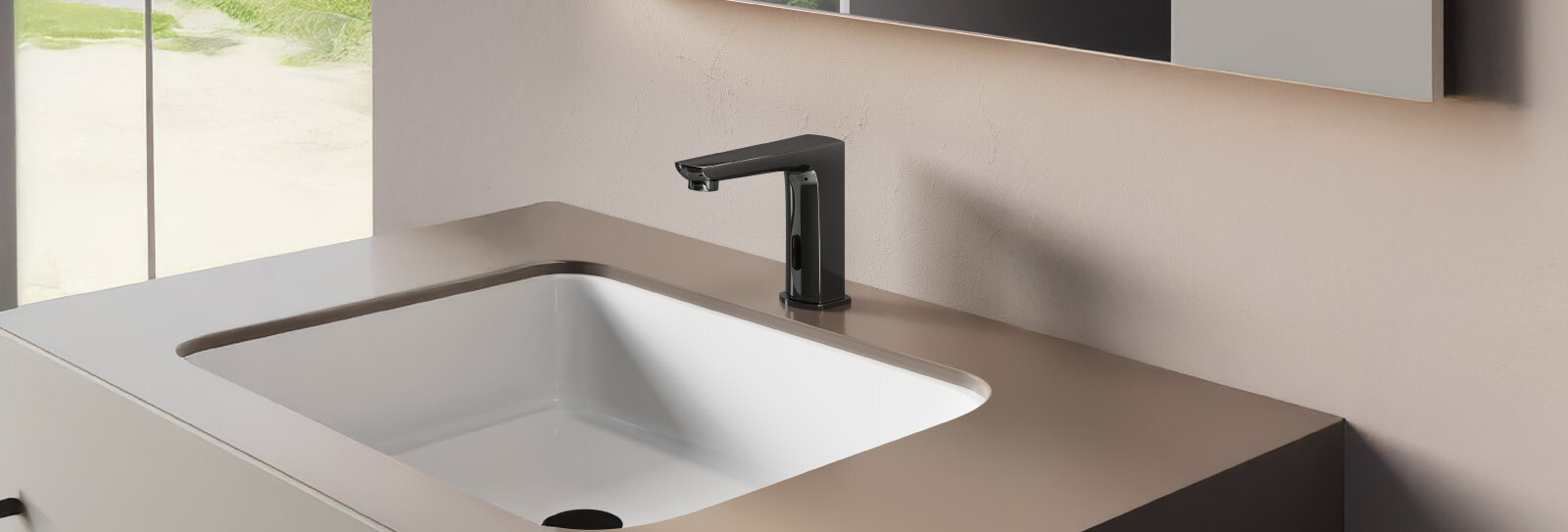
Struggling with low water pressure can be a real hassle, especially during busy mornings. You're trying to get ready for work, the kids are running late for school, but the water from your tap barely dribbles out. It's frustrating, time-consuming, and can throw off your entire routine, whether it's rinsing shampoo in record time or trying to fill a kettle before the school run.
Low water pressure isn't a rare problem either. It affects homes on gravity-fed plumbing systems, older properties with narrower supply pipes, upper-floor bathrooms, and even newer builds where multiple fittings draw from the same limited supply. In many of these cases, the issue isn't something you can fix by adjusting the mains, it comes down to choosing a tap that's actually engineered to perform well under low-pressure conditions, rather than one designed for standard mains flow.
That's where low-water pressure taps make a genuine difference. Built with features like optimised aerators, wider internal channels, and ceramic disc cartridges, these taps are designed to deliver a smooth, steady stream even when the incoming pressure is minimal, so you're not left guessing whether today's shower or handwash will work properly.
This guide walks through ten essential factors to consider when choosing the right low-pressure tap for your home, from measuring your actual water pressure and understanding flow rate, to material quality, certification, and long-term value. Whether you're renovating a kitchen, upgrading a bathroom, or simply replacing a tap that's never quite worked as it should, these considerations will help you choose a fitting that performs reliably, day after day.
1. Water Pressure
Before selecting any tap, you need to first determine the water pressure in your home. Low-pressure systems usually deliver water at a rate of less than 1.0 bar. Regular taps may not function properly under such conditions, hence specialised low-pressure taps are essential. These taps are specifically engineered to maximise water flow even when the pressure is low. Brands like Jaquar provide an outstanding choice of taps for low-pressure systems, guaranteeing that even in houses with limited water flow, performance and design are not compromised.
It helps to actually measure your home's water pressure rather than relying on guesswork, since "low pressure" can mean anywhere from a faint trickle to a merely modest flow, and the right tap depends on knowing which end of that range you're dealing with. A simple pressure gauge, available inexpensively from most hardware stores, can be attached to an outdoor tap or washing machine valve to give you a reading in bar. Readings below 1.0 bar are generally classed as low pressure, while anything below 0.3 bar is considered very low and may need a booster pump alongside a compatible tap.
It's also worth noting that pressure can vary by location within the same house. Upper floors typically experience lower pressure than ground-level rooms in gravity-fed systems, since the water has to travel further against gravity. If you're fitting taps in a first-floor bathroom, for example, it's worth checking pressure at that specific point rather than assuming it matches a reading taken downstairs. This location-specific approach ensures you choose taps genuinely suited to where they'll be installed, rather than a single blanket solution for the whole home.
2. Low-Flow Rate
A common issue with low-water pressure systems is that they can significantly reduce the tap’s flow rate. This is where low flow rate taps come in useful. These taps, designed to offer a consistent stream without wasting water, are an excellent choice for individuals who value water conservation. Installing water-saving taps can also help lower water bills because they use aerators to maintain optimal water flow. Jaquar's energy-efficient taps, allow you to enjoy peak performance while avoiding unnecessary water use. This makes them an excellent alternative for environmentally aware shoppers.
Flow rate is typically measured in litres per minute (LPM), and understanding this figure helps you compare taps more objectively than relying on marketing terms like "water-saving" alone. Standard taps often deliver 6 to 8 LPM at normal mains pressure, but low-flow taps designed for reduced-pressure systems are engineered to maintain a usable stream at rates as low as 2 to 4 LPM, using aerator design rather than raw pressure to create the sensation of adequate flow.
This distinction matters because a tap that simply restricts flow without proper aerator engineering can feel weak and unsatisfying to use, even if it technically saves water. The goal with a genuinely well-designed low-flow tap isn't just to reduce water usage, but to do so without sacrificing the everyday experience of washing hands, filling a kettle, or rinsing dishes.
It's also worth checking whether a tap's stated flow rate is tested at your actual pressure range, since some manufacturers quote figures based on standard mains pressure that don't reflect real-world performance in a low-pressure home. Asking for flow rate data specifically at sub-1.0 bar conditions gives a far more accurate picture of how the tap will actually perform once installed.
3. Type of the Tap
Different taps are built to handle varying amounts of water pressure. For low-pressure systems, seek for taps with larger internal components that allow water to flow more freely. Opt for bathroom fixtures for low pressure such as wide-spout or cross head taps, which are more capable of handling low flow rates. For added convenience, consider taps with thermostatic or pressure-balancing valves, which regulate temperature and flow for a better user experience. Jaquar's tap collections are thoughtfully designed with these considerations in mind, offering the best taps for low water pressure with stylish solutions that work efficiently even in low-pressure systems.
Beyond spout width and head shape, the internal valve mechanism plays a significant role in how well a tap copes with low pressure. Taps built with ceramic disc cartridges, rather than older rubber washer mechanisms, tend to offer smoother, more precise control over flow at lower pressures, since the ceramic discs create a tighter seal with less resistance. This translates into a more consistent stream even when the incoming water pressure is minimal.
Single-lever mixer taps are often a better choice than traditional two-handle designs in low-pressure homes, as they allow for finer, more immediate adjustment between hot and cold without needing to fight two separate valves to find the right balance. For kitchens specifically, pull-out or pull-down spray taps can also be worth considering, since their flexible hose and spray head are often engineered with their own aerator systems designed to maximise perceived pressure at the point of use.
If you're choosing between wall-mounted and deck-mounted taps, it's worth noting that wall-mounted options sometimes involve slightly longer pipe runs, which can introduce marginal additional pressure loss. For already low-pressure systems, deck-mounted taps with shorter internal pipework are generally the more dependable option.
4. Functionality & Style
Functionality should never be sacrificed for aesthetics. When choosing taps for low-pressure systems, make sure the fixtures complement the style of your bathroom while being practical. Whether you prefer modern simplicity or classic elegance, there is a wide range of low-pressure taps that blend performance and design.
Jaquar's product line provides the ideal balance of luxury and usefulness, eliminating the need to choose between the two. Their low-water pressure taps come in sleek, modern designs that blend perfectly into any home, delivering functionality and elegance.
When style and function need to work together, it's worth thinking beyond the tap itself to how it complements the rest of your bathroom or kitchen fittings. A mismatched finish, chrome next to brushed brass, for instance, can make even a well-performing low-pressure tap feel like an afterthought rather than a considered choice. Most manufacturers, including Jaquar, offer coordinated collections where taps, shower fittings, and accessories share a consistent finish and design language, making it easier to achieve a cohesive look without sacrificing the specific performance features needed for low pressure.
Spout height and reach are also practical style considerations that are easy to overlook. A tall spout might look striking, but in a shallow sink it can cause excessive splashing, particularly at higher flow settings designed to compensate for low pressure. Similarly, a tap with too short a reach can make filling pots or washing larger items awkward. Taking basin or sink dimensions into account, alongside pressure compatibility, ensures the tap performs well practically and not just aesthetically, striking the balance between everyday usability and the polished look you want for the room.
5. Installation & Maintenance
Another key consideration is the ease with which your new taps can be installed and maintained. Low-water pressure taps require specific installation techniques to perform properly. Before making a purchase, ensure that your plumbing is compatible with the tap you want. Many new water-saving taps include technology like ceramic cartridges, which remove the need for frequent maintenance and help extend the life of the tap. Jaquar taps are well known for their durability and ease of installation. With 5-10 years of trusted warranty, they are a popular choice for homeowners seeking long-lasting and dependable bathroom fixtures.
Even with a well-chosen tap, professional installation is worth the investment for low-pressure systems specifically, since incorrect fitting is one of the most common causes of underperformance. Small issues, such as kinked supply pipes, incorrectly sized isolation valves, or debris left in the pipework from a previous fitting, can all restrict flow further in a system that has little pressure margin to spare. A qualified plumber will typically flush the supply line before fitting a new tap, removing any sediment that could otherwise clog the aerator within weeks of installation.
Ongoing maintenance also plays a bigger role in low-pressure homes than in standard-pressure ones, since any additional restriction, from limescale to a partially closed valve, has a proportionally larger impact when starting pressure is already limited. Periodically checking that isolation valves under the sink are fully open, and descaling aerators every few months in hard water areas, helps preserve the flow rate the tap was designed to deliver.
It's also worth keeping the manufacturer's installation guide and warranty documentation on file, since ceramic cartridges and aerators are typically replaceable components. Being able to source the exact part for your model, rather than a generic alternative, helps maintain consistent performance over the tap's full lifespan.
6. Aerator Technology and Flow Regulation
One of the most overlooked features in low-water pressure taps is the aerator, the small mesh disc fitted at the tap's outlet. Aerators work by mixing air into the water stream, which creates the sensation of a fuller, more consistent flow even when the actual water pressure is low. Without a well-designed aerator, a low-pressure tap can feel weak and inconsistent, regardless of how good its internal mechanism is.
When comparing taps for low-pressure systems, look specifically at the aerator's specification rather than assuming all aerators perform equally. Multi-layer aerators with fine mesh screens tend to deliver a smoother, splash-free stream and are also more effective at filtering out small sediment particles that are common in older plumbing systems. Some aerators are also designed to be easily unscrewed for cleaning, which matters because aerators are the first component to clog with limescale in hard water areas, directly affecting flow rate over time.
Jaquar's low-pressure tap range uses precision-engineered aerators calibrated specifically for sub-1.0 bar systems, meaning the flow feels steady and full rather than intermittent or sputtering. This is a meaningful difference for households on gravity-fed systems, where even small design choices in the aerator can be the difference between a tap that feels usable every day and one that becomes a daily irritation. If you're unsure whether a tap's aerator suits your pressure range, it's worth asking for the manufacturer's minimum operating pressure rating before purchase, since this figure tells you far more than the tap's outward design ever will.
7. Material Quality and Corrosion Resistance
The internal material of a tap matters just as much as its outer finish, particularly for low-pressure systems where components need to work harder to maintain consistent flow. Taps built with solid brass bodies are generally the most reliable choice, as brass resists corrosion, withstands temperature fluctuations, and maintains its internal tolerances over years of use. Cheaper taps made with thinner metal alloys or excessive plastic components are more prone to pressure loss over time as internal seals and pathways degrade.
For low-water pressure taps specifically, material quality affects more than lifespan, it affects day-to-day performance. A tap with well-machined internal channels allows water to move more efficiently from the supply line to the aerator, reducing the pressure drop that naturally occurs as water travels through narrower fittings. This is why premium taps often outperform budget alternatives even when both are marketed as "low-pressure compatible."
Corrosion resistance is equally important in hard water regions, where mineral deposits can build up inside cheaper fittings and gradually restrict flow, worsening an already low-pressure situation. Chrome-plated brass, in particular, offers a strong balance of durability and easy maintenance, since limescale wipes off the smooth surface far more easily than it does off textured or lower-grade finishes.
Jaquar's taps are constructed with solid brass bodies and high-grade chrome or PVD finishes, ensuring that the internal performance needed for low-pressure systems is matched by a build quality that holds up over years of daily use, without the flow degradation that often affects cheaper alternatives within just a year or two.
8. Compatibility with Booster Pumps and Combi Boilers
Not all low water pressure issues stem from the tap itself, sometimes the root cause lies in the broader plumbing setup, and it's worth understanding this before choosing a fitting. Homes on gravity-fed systems, where water is stored in a tank and relies on gravity for pressure, typically experience the lowest and most inconsistent pressure, especially on upper floors. Combi boiler systems, by contrast, draw directly from the mains and usually deliver more consistent (though still potentially limited) pressure.
If your home's pressure is exceptionally low even by low-pressure standards, a booster pump may be a more effective long-term solution than relying on the tap alone. Booster pumps increase flow rate at the point of use without requiring a full plumbing overhaul, and most modern low-pressure taps, including Jaquar's range, are fully compatible with these systems. However, it's important to check whether your chosen tap has a minimum and maximum pressure rating, since pairing a low-pressure tap with a booster-enhanced supply that exceeds its rated tolerance can lead to premature wear or leaks.
Before purchasing, it's worth having a plumber confirm your system type and measured pressure in bar, rather than guessing based on symptoms alone. This ensures you select a tap (or a tap-and-booster combination) genuinely suited to your plumbing, rather than replacing fittings repeatedly without resolving the underlying cause. Getting this compatibility right the first time saves both cost and disruption down the line.
9. Certification and Safety Standards
Certification is one of the most reliable ways to judge whether a tap will genuinely perform as advertised, rather than relying on marketing claims alone. In the UK, look for taps that carry WRAS (Water Regulations Advisory Scheme) approval, which confirms the product meets water fittings regulations covering safety, water quality, and prevention of contamination or backflow. This certification is particularly important for kitchen taps, where water is used for drinking and cooking.
Beyond WRAS, reputable taps are often tested against BS EN standards for flow rate consistency and durability under varying pressure conditions, giving you an objective benchmark rather than relying on a brand's own performance claims. When a tap specifically states its minimum operating pressure (for example, taps rated to function from 0.5 bar), this is a much more useful indicator for low-pressure households than generic descriptions like "suitable for all systems."
Certification also matters for long-term reliability. Taps that meet recognised standards are less likely to develop the internal wear, leaks, or flow inconsistencies that often plague uncertified budget alternatives after just a year or two of use. For homeowners investing in a renovation or a rental property, certified fittings also provide peace of mind for compliance purposes, and can be a relevant factor for tenants, buyers, or landlord safety checks.
Jaquar's tap ranges are manufactured to meet these recognised standards, giving buyers a verifiable assurance of quality and compatibility with low-pressure systems, rather than a vague promise of performance.
10. Budget and Long-Term Value
It's tempting to choose the cheapest available low-water pressure tap, particularly when budgets are tight, but this is an area where upfront savings often lead to higher costs down the line. Budget taps frequently use thinner internal components and lower-grade aerators, both of which degrade faster under the already challenging conditions of a low-pressure system, leading to reduced flow, leaks, or complete failure within a year or two.
Instead of focusing solely on purchase price, it's worth evaluating the total cost of ownership: how long the tap is expected to last, what maintenance it requires, and whether replacement parts (such as cartridges or aerators) are easily available. A slightly higher upfront investment in a tap with a solid brass body, ceramic disc cartridge, and manufacturer warranty typically pays for itself by avoiding repeat replacements, plumber call-outs, and water damage from failed seals.
Warranty length is a particularly useful proxy for build quality, since manufacturers offering 5 to 10 years of coverage are signalling confidence in their product's internal components and finish durability. This is especially relevant for low-pressure taps, where the internal mechanism works harder to maintain flow and is more prone to wear if built with inferior materials.
Jaquar's low-pressure tap collections are positioned to offer this long-term value, combining durable construction and extended warranties with pricing that remains accessible, helping homeowners avoid the cycle of repeatedly replacing cheaper taps that fail to perform consistently in low-pressure conditions.
Conclusion:-
Choosing the right low-water pressure tap doesn't have to be complicated once you know what actually affects performance. It comes down to understanding your home's specific water pressure, selecting a flow rate and aerator design suited to that pressure, and choosing a tap built with quality internal components, ceramic cartridges, solid brass bodies, and certified construction, that will continue performing well years after installation rather than degrading within a single season.
It's equally important to think beyond the tap itself. Compatibility with your broader plumbing setup, whether that's a gravity-fed system, a combi boiler, or a booster pump, can be just as influential on daily performance as the tap's own specifications. Pairing the right fitting with the right system, and confirming certifications like WRAS approval along the way, ensures you're not just buying a tap that looks the part, but one that's genuinely built for the water pressure you're working with.
Style and budget matter too, but they're best considered alongside function rather than instead of it. A tap that matches your bathroom's finish beautifully but struggles to deliver a usable stream will quickly become a daily frustration, while a slightly higher upfront investment in quality construction and warranty coverage often saves money and hassle over the tap's lifespan.
Jaquar, a globally renowned brand for premium bathroom and kitchen solutions, brings all of these considerations together in a single range: precision-engineered aerators, durable brass construction, WRAS-approved certification, and designs that suit both period and contemporary interiors. Whether you're dealing with a gravity-fed system on an upper floor or a combi boiler that never quite delivers the pressure you'd like, investing in a tap genuinely designed for low-pressure performance is one of the simplest upgrades you can make to your daily routine, and one you'll notice every single time you turn on the tap.
So, if you're looking for low-pressure taps, make sure you have the appropriate information—and consider Jaquar for dependable, high-quality solutions that can enhance your whole experience.



-54x36.jpg)


