

Toilets
Toilets & WCs for UK Bathrooms by Jaquar
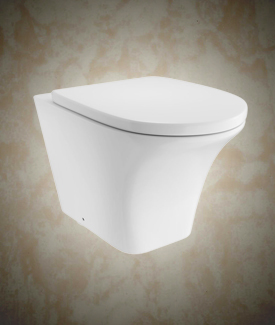
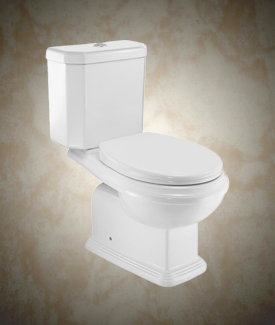
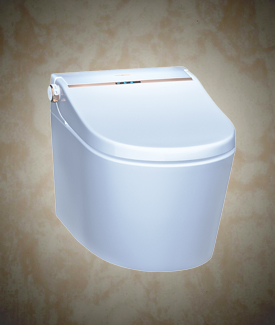
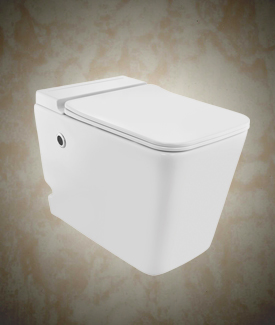
Water Closet
Types Of Toilet Seats:
The right toilet seat can significantly enhance your bathroom’s comfort, style, and usability. At Jaquar UK, we offer different types of toilet seats, designed to blend seamlessly with modern and traditional bathroom decor. From ergonomics to aesthetics, every detail is created to deliver superior performance.
We offer:
- Soft-Closing Toilet Seats for quiet use
- Close-Coupled Toilets for compact spaces
- Back-to-Wall Toilets for a minimalist look
- Wall-Hung Toilets paired with concealed cistern toilets for space efficiency
Choosing the right toilet seat is all about matching your comfort, space, and style requirements. Whether you prefer the elegance of wall-mounted options or the practicality of close-coupled models, Jaquar UK ensures there’s a bathroom commode solution tailored to your lifestyle.
Jaquar WC’s
Jaquar WC’s redefine what it means to have a functional yet elegant toilet. With options ranging from dual flush to tankless toilets, our collection is designed to meet the demands of residential and commercial spaces. Every model combines durability, water efficiency, and modern design.
When you choose Jaquar WC’s, you choose toilets built for performance, reliability, and timeless style. With thoughtful innovations such as the automatic toilet seat and advanced flushing systems, Jaquar UK transforms ordinary bathrooms into sophisticated retreats.
Smart WC’s
Step into the future of bathroom technology with Jaquar’s Smart Toilets. These innovative solutions integrate washing, drying, and hands-free features, making them the ultimate upgrade for a hygienic and modern bathroom experience.
With smart toilets, Jaquar UK prioritises hygiene, convenience, and sustainability. From full human sensors to foot-kick controls, our bathroom commodes deliver a truly hands-free, germ-free experience.
Tankless WC’s
Modern bathrooms demand efficiency and style. Jaquar’s tankless toilets provide exactly that. By removing the bulky cistern, these toilets optimise space, streamline design, and deliver powerful flushing directly from the water supply.
Sleek, compact, and eco-friendly, Jaquar’s tankless toilets are a smart choice for contemporary bathrooms. They combine minimalism with innovation, making them the perfect addition to homes that value aesthetics and functionality.
Toilets UK
A toilet is one of the most frequently used fixtures in any bathroom, so choosing the right WC involves more than selecting a style that looks good. The shape, installation type, available space, flushing arrangement, cleaning requirements, seat design and compatibility with the bathroom layout can all influence how well a toilet works in everyday use.
The right toilet should feel considered within the whole bathroom. In a compact cloakroom, the priority may be making efficient use of limited floor space. In a family bathroom, ease of cleaning, comfort and practical maintenance may matter more. For a contemporary bathroom renovation, a wall-hung or back-to-wall WC can create a cleaner visual line, while a coupled toilet can provide a familiar and straightforward format.
The current Jaquar UK toilet collection brings together Jaquar Toilets, Artize Toilets, Smart Toilets and Tankless Toilets, with different installation formats available across the ranges. These include wall-hung toilets, back-to-wall toilets, coupled toilets, single-piece toilets and tankless formats, as well as specialist smart WC options.
Choosing the right type of toilet
Toilet terminology can sometimes be confusing because terms such as WC, water closet, coupled toilet, wall-hung toilet and back-to-wall toilet describe different aspects of the product or installation.
Understanding the differences makes it easier to narrow down the right option before looking at individual designs.
Wall-hung toilets
A wall-hung toilet is fixed to a suitable installation system rather than sitting directly on the bathroom floor. The cistern and supporting frame are concealed behind the finished wall, leaving the pan visually separated from the floor.
This creates a clean, streamlined appearance and can make the floor underneath easier to access when cleaning. Wall-hung toilets can also be useful where maintaining a visually open floor area is important.
Jaquar UK offers wall-hung toilets across several ranges, including contemporary options with rimless designs. The current catalogue also includes blind installation wall-hung toilets within selected ranges.
A wall-hung WC should always be planned alongside the concealed cistern, frame, flush plate and wall construction. The visible pan is only one part of the complete installation.
Back-to-wall toilets
A back-to-wall toilet sits on the floor with the back of the pan positioned against a wall, furniture unit or suitable concealed installation arrangement. The cistern can be concealed, creating a more streamlined appearance than a conventional exposed cistern arrangement.
This format is useful when you want a contemporary bathroom without using a wall-hung pan. It can work particularly well in bathrooms where the floor-mounted installation is preferred or where the existing layout makes a wall-hung installation less suitable.
Several Jaquar ranges currently include back-to-wall toilets, including rimless back-to-wall options.
Coupled toilets
A coupled toilet has the cistern connected directly to the toilet pan, creating a familiar floor-mounted WC format. It is one of the most recognisable toilet configurations and can be suitable for a wide variety of bathroom layouts.
The current Jaquar UK collection includes coupled toilet formats and rimless bowls with cisterns designed for coupled toilets. These are available within selected ranges such as Continental, Opal and Ornamix.
When planning a coupled toilet, allow sufficient room around the complete WC rather than measuring only the pan. Consider the cistern, seat, flush operation and clearance around the sides and front.
Single-piece toilets
A single-piece toilet integrates the cistern and pan into one overall form. This can create a visually continuous appearance and reduce the number of separate visible components.
Jaquar UK currently lists rimless single-piece toilets within its collection, as well as tankless single-piece toilets in selected ranges.
This format can be worth considering when a bathroom design calls for a more unified WC appearance.
Tankless toilets
Tankless toilets remove the conventional visible cistern from the WC configuration. Depending on the design, the toilet can have a streamlined appearance while making better use of the available space.
The Jaquar UK collection includes tankless single-piece toilets and tankless wall-hung toilets. These formats are available in selected Jaquar ranges including Aria, Opal and Ornamix.
A tankless WC should not be selected purely because it appears compact. The installation requirements, water connection, flushing arrangement and available space behind or around the WC need to be assessed before purchase.
Rimless toilets and why they matter
Rimless toilets have become increasingly relevant in contemporary bathroom design because of their approach to bowl hygiene and cleaning.
A conventional toilet bowl can have an internal rim around the upper section. A rimless design removes this concealed rim, creating a more open bowl profile. This can make the internal surface easier to access during routine cleaning.
The Jaquar UK collection includes rimless wall-hung toilets, rimless back-to-wall toilets, rimless coupled formats and rimless single-piece toilets. Rimless designs are therefore not limited to one installation type.
When comparing toilets, it is useful to look beyond the word "rimless". Consider the complete bowl design, flushing arrangement, seat, installation requirements and how easily the areas around the WC can be reached for cleaning.
Smart toilets for modern bathrooms
Smart toilets combine the basic function of a WC with additional electronic and hygiene-focused functions. They are suited to homeowners who want a more integrated bathroom experience rather than simply replacing an existing conventional toilet.
The current Jaquar UK Smart Toilets category includes the Bidspa and Luxelet ranges. Bidspa currently includes fully automatic, rimless floor-mounted, coupled, back-to-wall and wall-hung formats. Luxelet includes wall-hung toilet options.
Depending on the specific smart WC, the current Jaquar UK range includes features such as washing functions, a self-cleaning nozzle, soft-close detachable seat covers, night lighting and controls for wash modes and water flow. Certain Bidspa models also incorporate dual flush functionality and electronic seat controls. These features should always be checked against the individual model before specifying a smart toilet.
Smart WC installation also needs more planning than a conventional toilet. The bathroom layout should account for the required connections and the specific installation instructions of the chosen model.
For homeowners considering a smart toilet for the first time, the most useful question is not simply "What features does it have?" Instead, consider which functions will genuinely improve daily use and whether the bathroom has been planned to accommodate the chosen model correctly.
Toilet size and dimensions
Toilet dimensions matter because even a well-designed WC can feel unsuitable if it overwhelms a small bathroom or restricts movement around other fixtures.
There is no single toilet size that works for every UK bathroom. Dimensions vary according to the installation format, bowl shape, cistern arrangement and individual model.
When measuring for a new toilet, consider:
Width
Measure the available width for the WC and allow practical clearance on both sides. A toilet should not feel squeezed between a wall, vanity unit or other bathroom fixture.
Projection
Projection refers to how far the toilet extends into the room from the wall or installation position. This is particularly important in cloakrooms and compact bathrooms.
A shorter projection can help preserve circulation space, but the overall dimensions and comfort of the selected toilet still need to be considered.
Height
Toilet height affects everyday comfort and should be considered alongside the users of the bathroom. The overall height may vary depending on the toilet design, seat and installation arrangement.
For wall-hung toilets, installation height can also be part of the planning process. The final position should be agreed before installation rather than assumed from the product category alone.
Floor clearance
Wall-hung toilets create visible floor clearance beneath the pan. This can contribute to a more open appearance and makes the floor below easier to access when cleaning.
However, the concealed frame and cistern still require suitable installation space behind the finished wall.
Door and circulation clearance
Do not measure the WC in isolation. Check the relationship between the toilet and the bathroom door, shower enclosure, basin, vanity unit and other fixtures.
In a small cloakroom, a few centimetres can make a noticeable difference to how comfortably the room functions.
How to measure for a new toilet
Before ordering a toilet, measure the bathroom carefully and record the existing plumbing position.
Start by measuring the available width and depth of the intended WC area. Then identify the position of the existing waste connection, water supply and wall.
If you are replacing an existing toilet, record the current installation arrangement. A replacement toilet is not necessarily a direct fit simply because the new model appears similar.
For wall-hung and concealed installations, also consider the space required for the frame and cistern. The finished wall thickness and position of the flush plate can influence the final layout.
If the bathroom is being completely renovated, measure the whole room rather than selecting the toilet first. This allows the WC to be considered alongside the basin, shower, bath, storage and door opening.
Always refer to the technical drawing and installation information for the specific toilet before finalising the layout.
Toilet height and comfort
Height is often overlooked when selecting a WC, yet it can influence everyday comfort.
A toilet that is too low or too high for the intended user may feel uncomfortable, particularly when the bathroom is used frequently by older family members or people with mobility considerations.
Wall-hung toilets offer some flexibility during installation because their finished height can be determined as part of the installation process, subject to the manufacturer's installation requirements and the supporting frame.
For floor-mounted toilets, the overall finished height is determined by the toilet and seat configuration.
Rather than choosing a toilet based solely on a general height guide, compare the dimensions of the specific model and consider who will use the bathroom.
Toilet seat considerations
The toilet seat is an important part of the overall WC because it affects comfort, appearance and everyday usability.
When selecting a toilet seat, check that it is designed for the specific toilet pan. Do not assume that two toilets with similar dimensions will accept the same seat.
A soft-close seat can help reduce noise and avoid the impact associated with a conventional closing mechanism. Some smart WC models have integrated electronic seat systems and should be specified as a complete compatible arrangement.
The seat shape should also correspond with the pan. A mismatch can affect both appearance and usability.
For a complete bathroom project, the toilet seat should therefore be considered as part of the WC specification rather than treated as an unrelated accessory.
Toilet flushing systems
Flushing performance is an important practical consideration when comparing toilets.
Dual flush systems provide separate flush options and can be useful where water use is an important consideration. The exact flush arrangement varies between toilet models, so the product information should always be checked before making a selection.
The current Jaquar UK range includes toilets with different flushing arrangements, including dual flush formats and sensor-operated flushing on selected tankless models. Smart toilets also have model-specific flushing systems.
A good toilet should be evaluated on the complete flushing system rather than one feature alone. Installation conditions, water supply, waste connection and the manufacturer's requirements all contribute to how the WC performs.
Toilet features worth considering
The most useful toilet features are those that solve a genuine requirement within the bathroom.
Rimless bowl design
A rimless bowl can make the internal surface more accessible for routine cleaning. Jaquar UK offers rimless formats across several toilet categories.
Soft-close seat
A soft-close seat provides controlled closing and can reduce unnecessary noise. It is available with selected Jaquar toilet configurations and smart WC systems.
Concealed cistern
A concealed cistern hides the cistern behind a suitable installation wall or furniture arrangement. It is commonly associated with wall-hung and back-to-wall bathroom layouts.
The concealed cistern must be compatible with the selected toilet and installed using the appropriate frame and flush plate arrangement.
Sensor-operated functions
Sensor-operated flushing is available on selected Jaquar tankless toilets, while smart WC models offer additional electronic controls depending on the product. These functions should be assessed on a model-by-model basis.
Smart washing functions
Selected smart toilets provide integrated washing functions and electronic controls. These can offer a different approach to personal hygiene compared with a conventional WC.
Choosing a toilet for a small bathroom
Small bathrooms require careful planning because the WC competes for space with the basin, shower, storage and door opening.
Wall-hung toilets can help create a visually lighter layout because the pan does not sit directly on the floor. Back-to-wall toilets can also create a clean appearance while retaining a floor-mounted installation. Both formats are represented in the current Jaquar UK collection.
A tankless format may also be relevant where the design benefits from reducing the visual bulk of a conventional cistern. However, installation requirements should be checked carefully before choosing this option.
For a small cloakroom, measure the available projection as well as the width. A toilet that fits physically may still create an uncomfortable layout if there is insufficient space between the front of the pan and the opposite wall or door.
Choosing a toilet for a larger bathroom
Larger bathrooms provide greater flexibility, but that does not mean every toilet format will work equally well.
Start with the overall design. A wall-hung WC can support a minimalist layout, while a coupled or single-piece toilet may create a more substantial visual presence.
If the bathroom includes a vanity unit, shower enclosure and bath, consider how the toilet relates to each element. Consistent proportions and clear circulation paths usually create a more comfortable result than simply filling available space.
A larger bathroom can also make a smart WC a practical consideration because there may be more flexibility to accommodate the installation requirements and electrical or plumbing planning associated with the selected model.
Modern and traditional bathroom styles
The toilet should complement the overall character of the bathroom rather than being selected independently.
For contemporary bathrooms, wall-hung, back-to-wall, rimless and tankless formats can support a clean architectural appearance. Square or more geometric bathroom furniture can work particularly well with structured WC forms.
For bathrooms with a softer or more traditional aesthetic, consider the shape of the pan, cistern arrangement and surrounding sanitaryware as a complete composition.
The current Jaquar UK catalogue includes a variety of ranges with different design directions, from contemporary collections to more traditional options such as Queens Prime.
The most cohesive bathrooms usually coordinate the toilet with the basin, taps, bath and other visible fittings rather than treating each fixture as an isolated purchase.
Toilet installation and concealed cistern planning
The toilet itself is only part of the installation.
A wall-hung WC requires a suitable concealed installation system that can support the pan and accommodate the cistern and flushing components. The wall construction, finished floor level and access requirements all need to be considered.
A back-to-wall toilet may also require a concealed cistern behind a furniture unit or suitable wall construction.
For a new bathroom, it is therefore advisable to finalise the sanitaryware and concealed installation components before walls are closed or finished.
This is particularly important when replacing an existing toilet with a different installation format. Moving from a floor-mounted WC to a wall-hung design, for example, can involve more than simply changing the visible pan.
Choosing between a wall-hung and back-to-wall toilet
Both formats can produce a streamlined bathroom, but they have different installation approaches.
A wall-hung toilet leaves the floor below the pan visually open and requires a suitable concealed frame and cistern arrangement.
A back-to-wall toilet remains floor mounted while allowing the cistern and pipework to be concealed.
Choose wall-hung when the floating appearance and accessible floor area are priorities and the installation structure can accommodate it.
Choose back-to-wall when you want concealed cistern styling while retaining a floor-mounted pan.
Neither is universally better. The right choice depends on the bathroom structure, available space, installation requirements and desired appearance.
Choosing between a coupled and single-piece toilet
Coupled toilets have a separate pan and cistern that connect as one visible WC arrangement. They are familiar, practical and available across selected Jaquar ranges.
A single-piece toilet integrates the main visible components into one form, giving the WC a more unified appearance.
Consider the overall bathroom aesthetic, available dimensions, cleaning preferences and installation requirements.
For replacement projects, the existing waste connection and water supply should also be checked before deciding whether a different toilet format is suitable.
How to choose the right toilet for a UK bathroom
A useful toilet buying process can be reduced to a few practical questions.
First, what type of installation suits the room? Decide between wall-hung, back-to-wall, coupled, single-piece or tankless formats based on the structure and layout.
Second, how much space is available? Measure width, projection and the clearance around the WC.
Third, what level of functionality is required? A conventional WC may be appropriate for straightforward everyday use, while a smart toilet can be considered when integrated hygiene and electronic functions are a priority.
Fourth, how important is cleaning? Rimless designs and accessible floor areas can make routine bathroom cleaning easier.
Fifth, what does the rest of the bathroom look like? The toilet should work with the basin, bath, taps, furniture and overall design language.
Finally, check compatibility. Waste position, cistern arrangement, frame requirements and installation dimensions should be confirmed before purchase.
Toilets for family bathrooms
Family bathrooms need to balance comfort, practicality and durability.
A conventional coupled, back-to-wall or wall-hung WC can provide a straightforward solution depending on the layout. Rimless options may also be worth considering where easier access for cleaning is a priority.
For households interested in additional hygiene functions, a smart WC can offer integrated washing and other electronic functions. The current Smart Toilets collection includes Bidspa and Luxelet options, with different configurations across the range.
The best choice is usually the one that works reliably for the entire household rather than the one with the longest list of features.
Toilets for cloakrooms
A cloakroom often has less floor area than a main bathroom, making toilet projection particularly important.
Wall-hung and back-to-wall formats can help create a visually uncluttered layout. Tankless toilets may also be considered where their installation requirements and dimensions suit the room.
Before choosing a compact toilet, measure the complete room, including the door swing, basin projection and available circulation space.
Do not sacrifice usability simply to fit a particular style. A slightly different WC configuration may create a much more comfortable cloakroom.
Toilets for accessible bathroom planning
Accessibility requires more than selecting a particular toilet type.
The finished toilet height, transfer space, circulation area, door position, grab rail requirements and basin arrangement should all be considered as part of the complete bathroom design.
Jaquar UK also lists a dedicated Disabled category within its Jaquar Toilets collection. The current catalogue should be checked for the specific product and installation information relevant to the project.
Where a bathroom is being designed around accessibility requirements, consult the relevant building regulations and accessibility guidance and work with a suitably qualified installer or bathroom professional.
Maintaining a toilet
Regular maintenance helps keep a WC hygienic and functioning as intended.
Clean the pan, seat, flush area and surrounding surfaces using products appropriate for the manufacturer's materials and finishes. Avoid aggressive cleaning methods that could damage surfaces or components.
For rimless toilets, pay attention to the bowl surfaces and flushing outlets during routine cleaning.
Keep the area around concealed cistern access points clear and follow the manufacturer's maintenance guidance for the specific installation.
Smart toilets require additional attention to their electronic and washing components. Follow the manufacturer's cleaning and maintenance instructions rather than applying general bathroom cleaning products to every component.
If a toilet develops a persistent leak, weak flush, unusual noise or another fault, it is better to investigate the underlying cause rather than repeatedly adjusting or replacing unrelated components.
A considered approach to toilet selection
The best bathroom toilet is not necessarily the most technologically advanced or the most visually striking. It is the one that fits the room, suits the people using it and works with the wider bathroom design.
Start with the fundamentals: installation type, dimensions, waste position, water connection and available clearance. Then consider the features that genuinely matter to you, such as rimless design, soft-close seating, concealed cistern installation, tankless construction or smart functions.
The current Jaquar UK collection provides several routes through this decision, from conventional coupled toilets and single-piece formats to wall-hung, back-to-wall, tankless and smart WC options. The range also includes Artize Toilets as a separate category within the wider UK toilet collection.
For a complete bathroom project, consider the toilet alongside the basin, taps, bath, shower and concealed installation components. This approach helps ensure that the finished room is not only visually consistent but also practical to use and maintain.
Factors To Choose Toilet Seats:
- Style: You may want to consider whether the toilet seat’s appearance matches your bathroom’s decor and how this appeal suits your preferences.
- Space Availability: Measure the space in your bathroom so it will be enough to fit with a seat comfortably.
- Flushing Mechanism: Examine the flushing process of the toilet seat about saving water and the performance of its features.
- Comfort: Give comfort priority by moving to a kind of toilet seat with an ergonomic design and soft-closing features.
- Durability: To guarantee the longevity of the equipment, pick a strong toilet seat from materials that have high quality.
- Ease of Maintenance: While a toilet seat is in fashion try to look for the easy to clean and did not even maintain ones for hassle-free usage.
- Water-Saving Features: Opt for toilets with water-saving functionality like the dual flush option to save water and your utility bills.
- Compatibility: Verify the toilet seat has an interface with your current toilet bowl and plumbing system for a successful set-up and smooth working
Why Choose Jaquar for WC Toilet Seats?
- Finishes: Our toilet seats enjoy top-order finishes that elevate the appearance comprised of any bathroom as such, they bring a touch of style.
- Longer Life: Our WC toilet seats are intricately crafted with a focus on details, built to use them for many years, providing you with an undivided rely and pleasure.
- Unmatched Warranty: : It is the Jaquar brand that will guarantee you peace of mind as we provide the best, 2 year warranty that not only assures the run time of your water spinner heater but also guarantees its durability
- Jaquar Care: Enjoy the best service with Jaquar Care, which has skilful, knowledgeable, and experienced people to help others, all the time. Our main goal is to make sure you enjoy every aspect of purchase to installation of the equipment bought on your behalf and beyond.
Frequently Asked Questions:-
Jaquar offers Dual Flush, Gravity Flush, Smart Toilets, and Pressure-Assisted Flush options, engineered for powerful, water-efficient performance.
Yes, they are highly recommended for saving water and reducing utility bills.
Round bowls suit compact bathrooms, while elongated bowls offer added comfort and space.
Q4 What types of toilets are available in the Jaquar UK collection?
The current collection includes wall-hung toilets, back-to-wall toilets, coupled toilets, single-piece toilets, tankless toilets and smart WC formats. Availability varies between individual ranges, so the specific product category should be checked before making a selection.
Q5 Are wall-hung toilets suitable for small bathrooms?
Wall-hung toilets can work well in smaller bathrooms because the pan is raised from the floor and the cistern can be concealed behind the wall. However, the concealed frame and cistern still require installation space. The complete bathroom layout, including the basin, door and circulation area, should therefore be measured before choosing this format.
Q6 What is the difference between a back-to-wall and wall-hung toilet?
A back-to-wall toilet sits directly on the floor with the cistern concealed behind furniture or a suitable wall arrangement. A wall-hung toilet is fixed to a concealed installation frame, leaving the floor beneath the pan open. Both can create a clean, contemporary appearance, but their installation requirements are different.
Q7 What should I measure before buying a new toilet?
Measure the available width, toilet projection, finished height requirements and clearance around the WC. For a replacement, also check the existing waste connection, water supply and installation arrangement. If choosing a wall-hung or concealed cistern toilet, allow for the frame, cistern and finished wall construction as well.
Q8 Are smart toilets worth considering for a modern bathroom?
A smart toilet can be worthwhile if integrated hygiene and electronic functions are priorities. Current Jaquar Smart Toilets include Bidspa and Luxelet ranges, with selected models offering functions such as washing, electronic controls, self-cleaning nozzle functionality, soft-close detachable seating and night lighting. Features vary by model, so the individual product information should always be checked before specification.
.png)


