
Basin Waste Guide: Types, Features, Compatibility and How to Choose the Right One
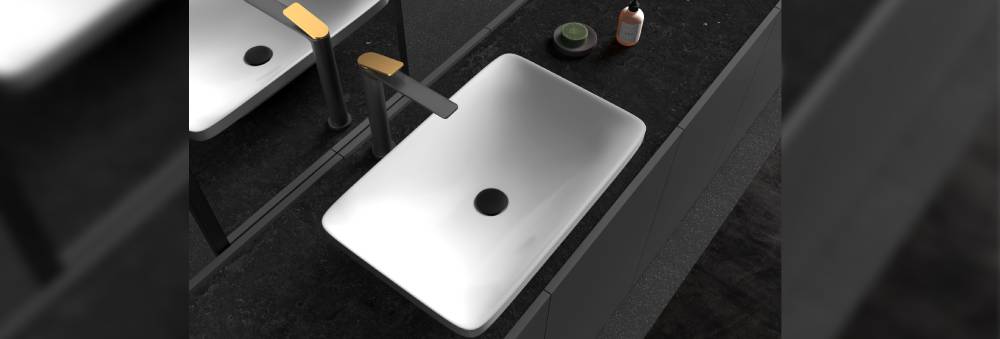
A basin waste is one of those bathroom components that rarely attracts attention until something goes wrong. It sits beneath the plug opening, controls how water leaves the basin and, depending on the design, determines how easily the basin can be filled or emptied. Despite its small size, choosing the wrong waste can create compatibility problems, affect everyday usability and leave an otherwise carefully designed washbasin area looking incomplete.
The right choice starts with understanding the basin itself. Does it have an overflow? Is the waste opening designed for a slotted or unslotted fitting? Do you want a simple open waste or a push-operated mechanism? How will the waste look alongside the basin mixer and the visible plumbing underneath?
These questions become particularly relevant when replacing a basin, changing a tap or renovating a bathroom, because the waste should be considered as part of the complete basin installation rather than as an isolated plumbing component.
This guide explains how basin wastes work, the differences between the main configurations available for modern bathrooms, what slotted and unslotted mean, how click-clack mechanisms work, and how to select a suitable option based on your basin, bathroom layout and everyday preferences.
What Is a Basin Waste?
A basin waste is the fitting installed into the drainage opening of a washbasin. It provides the connection between the basin and the drainage system while allowing water to leave the basin in a controlled way.
Depending on the design, the waste can either remain open for continuous drainage or incorporate a mechanism that allows the basin to be temporarily filled and then emptied.
The waste is therefore closely connected to the way a basin is used. A washbasin with a push-operated waste, for example, can be closed when you want to retain water and opened again with a simple press. An open arrangement provides continuous drainage and is suited to situations where retaining water in the basin is not required.
The visible part of the waste can also contribute to the overall appearance of the washbasin area. Although it occupies a small amount of space, its finish sits directly alongside the basin and can be seen whenever the basin is in use.
For this reason, the waste can be considered both a functional plumbing fitting and a small design detail.
How Does a Basin Waste Work?
The basic principle is straightforward. Water collected in the basin passes through the waste opening and into the connected drainage pipe.
The waste forms the transition between the ceramic basin and the plumbing underneath. Its construction needs to create a secure connection while allowing water to drain effectively.
With a closing mechanism, the waste also determines whether water remains in the basin or flows away.
A push-operated click-clack mechanism is particularly simple to use. Pressing the top of the waste closes the opening, while pressing it again releases it. This eliminates the need for a separate plug and makes operation convenient during everyday use.
The waste must also be compatible with the basin's overflow arrangement. This is one of the most important points to establish before choosing a product.
Slotted and Unslotted Basin Wastes: The Key Difference
One of the most important distinctions when selecting a basin waste is whether the basin has an overflow.
A slotted basin waste is designed for use with a basin that has an overflow opening. The slots in the waste allow water entering through the basin overflow to pass into the drainage system.
An unslotted basin waste is intended for a basin without an overflow arrangement. It does not provide the same route for overflow water because the basin itself does not have an overflow opening connected to the waste.
The difference may appear minor, but choosing the wrong configuration can affect how the basin and waste work together.
Before ordering a waste, inspect the basin carefully. The overflow may be located on the inside wall of the basin, usually close to the upper rim. Some designs make it immediately obvious, while others incorporate the overflow discreetly into the ceramic.
The simplest rule is:
Basin with overflow → slotted waste
Basin without overflow → unslotted waste
However, always verify the specific basin manufacturer's requirements before installation, particularly where a less conventional basin design is involved.
Why the Overflow Matters
A basin overflow is designed to provide an additional route for water if the basin reaches a certain level.
For example, if the waste is closed while the tap is running, the overflow provides a secondary route for excess water rather than relying solely on the main drain opening.
This makes the relationship between the basin and waste important.
A basin with an overflow requires a waste configuration that allows that water to reach the drainage system. If an unsuitable waste is installed, the overflow arrangement may not function as intended.
This is why choosing a waste based solely on its appearance is not advisable.
The first question should always be whether the waste is compatible with the basin. Once that has been established, you can consider the operating mechanism and finish.
What Is a Click-Clack Basin Waste?
A click-clack waste uses a simple push mechanism to open and close the basin outlet.
The name comes from the action of the mechanism: pressing the top once closes the waste, while pressing it again opens it.
This makes the system particularly straightforward for everyday use.
There is no separate plug to lift out of the basin and no chain hanging beside the tap. The waste remains integrated into the basin opening, creating a neat appearance.
The mechanism is particularly well suited to contemporary bathroom layouts where clean lines and uncluttered surfaces are important.
Jaquar UK's current basin waste range includes click-clack options in both slotted and unslotted configurations, allowing the mechanism to be selected according to the basin's overflow arrangement.
Why Click-Clack Wastes Work Well in Contemporary Bathrooms
The appeal of a click-clack mechanism is not simply its appearance.
It also changes the everyday interaction with the basin.
With a conventional removable plug, the user has to lift the plug manually, place it somewhere or leave it attached to a chain. A click-clack design keeps the operating mechanism within the waste itself.
This can be useful in a busy family bathroom where several people use the basin throughout the day.
It also works well in a guest bathroom or cloakroom, where a straightforward control is easy for visitors to understand without explanation.
From a design perspective, the absence of a separate chain creates a cleaner visual relationship between the basin, tap and surrounding surfaces.
Slotted Click-Clack Wastes
A slotted click-clack waste combines two characteristics: the push-operated mechanism and a design intended for a basin with an overflow.
This makes it a practical choice when the basin has an integrated overflow opening but you want the convenience of a push-operated waste.
Jaquar UK's Allied range includes slotted click-clack basin wastes in a selection of finishes, including chrome, black matt, black chrome, brass matt, antique bronze and antique copper, with additional finish options available across the range.
The important consideration is still compatibility.
A beautifully coordinated finish cannot compensate for an incorrect slotted or unslotted configuration. Establish the basin's overflow arrangement first, then select the appropriate waste.
Unslotted Click-Clack Wastes
An unslotted click-clack waste provides the same push-operated convenience but is intended for a basin without an overflow.
This configuration is particularly relevant to countertop and other basin designs where there is no overflow opening.
Because there is no overflow route to accommodate, the waste is designed without the slots required by an overflow basin.
Jaquar UK's range includes unslotted click-clack wastes in multiple finishes, including chrome, black matt, black chrome, brass matt and PVD finishes.
When choosing an unslotted waste, don't assume that the absence of an overflow automatically means every unslotted waste will fit. The dimensions and installation requirements of the basin and waste should still be checked.
Standard Basin Wastes Without a Push Mechanism
Not every basin requires a click-clack mechanism.
A conventional basin waste can provide the essential connection between the basin and drainage system without adding a push-operated closing mechanism.
This can be appropriate where the basin is primarily used for hand washing and there is little reason to retain water.
The choice can also be influenced by the wider design of the bathroom. If the basin is part of a more traditional setting, a straightforward waste can provide a visually restrained solution.
Jaquar UK's current range includes basin wastes in both slotted and unslotted configurations, giving users a choice based on the construction of the basin rather than requiring one universal arrangement.
The important point is to distinguish the waste configuration from the operating mechanism.
Slotted and unslotted describe compatibility with the basin's overflow arrangement. Click-clack describes how the waste opens and closes.
These are two different considerations.
Basin Waste Compatibility: What Should You Check?
Before selecting a waste, check the basin rather than starting with the waste catalogue.
There are several details worth confirming.
Does the Basin Have an Overflow?
This determines whether you need a slotted or unslotted configuration.
What Type of Waste Opening Does the Basin Use?
Check the manufacturer's specification and dimensions to ensure that the waste is suitable for the basin.
Is the Waste Intended to Close?
If you want to retain water, a suitable closing mechanism such as click-clack may be preferable.
How Will the Waste Connect to the Plumbing?
The waste must work with the drainage arrangement beneath the basin and be installed according to the manufacturer's instructions.
What Finish Will Work With the Basin Area?
The waste is a small component, but it sits in a prominent position. Coordinating it with the tap and other visible fittings can make the washbasin area look more considered.
These checks take very little time during planning but can prevent unnecessary replacement later.
Choosing a Basin Waste for a Countertop Basin
Countertop basins often place greater emphasis on the visual relationship between the basin, tap and waste.
Because the basin sits above the worktop or vanity surface, the waste opening is often clearly visible from above.
A click-clack waste can provide a neat appearance by keeping the operating mechanism integrated into the drain opening.
However, the overflow configuration remains the first consideration.
Some countertop basins have an overflow, while others do not. Do not select a waste based simply on the fact that the basin is described as a countertop model.
Check the actual basin specification.
The vanity beneath the basin can also influence the choice of visible plumbing. Where the waste connects to a bottle trap, the trap becomes part of the overall design and may be visible below the countertop.
Choosing a Basin Waste for an Under-Counter Basin
An under-counter basin creates a different visual arrangement because much of the ceramic is positioned below the worktop.
The waste itself may be less visually prominent, but compatibility remains just as important.
The basin's overflow arrangement should be checked before selecting the waste.
The surrounding vanity or worktop can also affect access for installation and maintenance. It is therefore useful to establish the position of the waste and connected plumbing before the basin is permanently fixed.
Where the basin is paired with a Jaquar basin mixer, selecting a compatible Jaquar waste can help create a consistent approach across the washbasin installation.
Basin Waste Selection for Cloakrooms and Smaller Bathrooms
Cloakrooms often have compact basins and limited surrounding space.
In these rooms, the basin waste may be one of several small components that contribute to the overall visual appearance of the wash area.
A click-clack mechanism can be particularly convenient because it avoids a separate plug and chain occupying space around the basin.
The finish can also be coordinated with the tap and other visible bathroom fittings.
In a compact room, consistency matters because there are fewer fixtures to distribute visual attention across the space.
A simple combination of a compact basin, appropriately selected waste, coordinated tap and suitable bottle trap can create a clean and organised washbasin area without unnecessary decoration.
Basin Waste Selection for a Family Bathroom
Family bathrooms tend to place greater emphasis on ease of use.
The basin may be used repeatedly throughout the day by people with different habits and preferences.
A push-operated waste can be convenient because the mechanism is intuitive and doesn't require users to handle a separate plug.
For families with young children, keeping the basin area simple can also make everyday routines easier.
However, the most important factor remains correct basin compatibility. A convenient operating mechanism is only useful when the waste is correctly matched to the basin.
For a family bathroom, think about the complete experience: how the basin is used, whether water needs to be retained, how easily the waste can be operated and how the visible fittings work together.
Basin Waste Selection for an En-Suite
An en-suite often prioritises efficient use of space and a clean visual arrangement.
Because the room may be relatively compact, the basin, tap and waste are usually positioned close together, making coordination particularly noticeable.
A click-clack waste can support a simple, uncluttered basin area.
If the basin has no overflow, an unslotted click-clack configuration can be considered where compatible with the basin.
If the basin has an overflow, a slotted version should be selected.
This straightforward decision process prevents the common mistake of selecting a waste purely because it matches the tap finish.
How Basin Waste and Bottle Traps Work Together
The basin waste is only one part of the drainage arrangement.
Underneath the basin, the waste connects to the plumbing through the trap. A bottle trap is one type of visible trap used beneath a basin and forms part of the connection between the basin waste and the drainage system.
The two components therefore need to work together as part of the same installation.
Jaquar UK's current portfolio includes contemporary bottle traps in finishes such as chrome, black matt, brass matt, gold and other coordinated finishes.
This can be useful where the plumbing beneath a wall-mounted or countertop basin remains visible.
Rather than treating the bottle trap as something that needs to be hidden at all costs, it can be selected as part of the overall washbasin design where the layout leaves it exposed.
Why the Bottle Trap Can Matter to Bathroom Design
In some bathroom layouts, the plumbing beneath the basin is largely concealed by a vanity unit.
In others, particularly with wall-mounted basins, the trap can be clearly visible.
When it is visible, its finish becomes part of the room's visual language.
For example, a chrome tap paired with a chrome bottle trap creates a consistent look. Alternatively, a darker tap finish can be coordinated with a black or similarly toned trap where the available products and installation allow.
This is a useful example of a broader bathroom design principle: components that are normally considered purely functional can still contribute to the overall appearance of a room.
Coordinating Basin Waste With the Tap
The basin tap and waste are often installed only a short distance apart, so their finishes are naturally viewed together.
They do not necessarily need to be identical, but coordination can create a more deliberate appearance.
A chrome basin mixer with a chrome waste provides a straightforward combination.
For bathrooms using a darker fitting scheme, a black matt waste can complement appropriately finished brassware.
Jaquar UK's basin waste range includes several finishes, including chrome, black matt, black chrome, brass matt, antique bronze, antique copper and PVD finishes.
The best choice depends on the wider bathroom palette rather than the waste in isolation.
Matching the Waste to Your Bathroom Style
The waste should support the overall bathroom rather than becoming an unnecessary focal point.
Contemporary Bathrooms
A click-clack waste can work well with clean-lined basins, minimal taps and simple surfaces.
Traditional-Inspired Bathrooms
A straightforward basin waste can sit comfortably within a more understated arrangement, particularly where the rest of the bathroom uses classic forms.
Industrial-Inspired Bathrooms
Darker finishes can work with exposed or visually prominent plumbing where the basin design allows.
Warm Contemporary Bathrooms
Brass and warmer finishes can complement timber-effect furniture, neutral tiles and softer colour palettes.
The principle is simple: choose a finish that relates to the other visible fittings rather than selecting every component independently.
What Is the Difference Between Slotted and Unslotted Waste?
The difference comes down to the basin's overflow arrangement.
A slotted waste is designed for a basin with an overflow. The slots allow water from the overflow channel to enter the drainage system.
An unslotted waste is intended for a basin without an overflow.
This distinction is more important than the style of the waste because it affects compatibility.
If you are replacing an existing waste, check the basin before ordering the new one. If you are installing a new basin, consult the basin's product documentation.
When in doubt, ask the installer or manufacturer rather than relying solely on photographs.
How to Choose the Right Basin Waste
A practical selection process can be reduced to a few questions.
Start with the basin.
Determine whether it has an overflow.
Choose the appropriate configuration.
Select a slotted waste for an overflow basin or an unslotted option for a basin without an overflow, subject to the manufacturer's requirements.
Decide whether you want a closing mechanism.
If you regularly use the basin to retain water, a click-clack mechanism can be useful.
Check the installation requirements.
Confirm the waste is suitable for the basin and drainage arrangement.
Consider the visible finish.
Coordinate the waste with the basin mixer and other visible bathroom fittings.
Consider the plumbing underneath.
If a bottle trap will be visible, treat its finish and proportions as part of the overall basin design.
This process is more reliable than choosing the waste based on appearance first.
Do Basin Wastes Need to Match the Basin Mixer?
They do not technically need to match, but coordinating them can create a more cohesive washbasin area.
The decision is primarily aesthetic once compatibility has been established.
If the basin mixer has a chrome finish, a chrome waste provides a consistent appearance. If the bathroom uses a warmer finish, a corresponding waste can help continue that visual theme.
However, the waste should never be selected solely because it matches the tap.
A correctly configured waste that suits the basin is more important than achieving an exact finish match.
Can You Replace a Basin Waste Without Replacing the Basin?
In many situations, the basin itself does not need to be replaced when the waste is being renewed.
This can be useful during bathroom updates where the existing basin remains in good condition but the waste needs replacing.
Before changing the fitting, establish the basin's overflow configuration and confirm the replacement waste is compatible.
The installer should also check the existing plumbing and the condition of the surrounding connections.
If the basin is being replaced at the same time, it is usually more straightforward to select the basin and waste together.
What Should You Consider When Replacing an Existing Basin Waste?
Replacing a waste is an opportunity to correct compatibility problems rather than simply replacing one fitting with another.
Before purchasing, establish:
-
Whether the basin has an overflow
-
Whether the existing waste is slotted or unslotted
-
Whether a closing mechanism is required
-
The dimensions and connection requirements
-
Whether the existing trap is suitable
-
Whether the visible finish should be changed
-
Whether the basin or surrounding plumbing needs attention
If there is evidence of leakage, corrosion or damage around the existing waste, it is sensible to have the entire connection inspected rather than simply changing the visible component.
Common Basin Waste Selection Mistakes
Choosing Based Only on Appearance
A waste may look ideal but still be incompatible with the basin.
Confusing Slotted and Unslotted
This is one of the most common compatibility issues.
Forgetting About the Overflow
Always establish whether the basin has an overflow before selecting the waste.
Ignoring the Plumbing Beneath the Basin
The waste needs to connect correctly to the existing drainage arrangement.
Treating the Waste as an Afterthought
The waste should be specified alongside the basin and tap rather than added at the final stage.
Selecting an Unnecessary Mechanism
If you never need to retain water, a closing mechanism may not be essential.
Ignoring the Visible Plumbing
Where a bottle trap is exposed, its appearance can influence the finished look of the basin area.
Basin Waste Maintenance
A basin waste does not normally require complicated maintenance, but keeping the opening clean helps support effective drainage.
Hair, soap residue, toothpaste and other debris can gradually accumulate around the waste opening.
Regular cleaning should therefore form part of normal bathroom maintenance.
If a click-clack mechanism becomes difficult to operate, do not force it. The issue may be caused by debris or a mechanical problem that needs attention.
For leaks or persistent drainage problems, the connections beneath the basin should be inspected by a suitably qualified professional.
Avoid relying on aggressive chemical treatments without first considering the manufacturer's recommendations and the materials used in the drainage system.
How to Keep a Click-Clack Waste Working Smoothly
Because the mechanism is operated by repeated pressing, it should move smoothly between its open and closed positions.
If the mechanism begins to feel stiff, investigate the cause rather than repeatedly forcing the button.
Keep the waste surface clean and remove visible residue around the opening.
During routine bathroom cleaning, wipe the visible waste with a suitable non-abrasive bathroom cleaner and follow the product care instructions.
The objective is simple maintenance rather than complicated servicing.
When Should You Ask a Plumber for Help?
Basic cleaning is generally straightforward, but installation and plumbing repairs can require professional expertise.
Consider consulting a qualified plumber when:
-
The waste is leaking
-
The basin is draining unusually slowly
-
The existing waste is difficult to remove
-
The basin has been damaged around the waste opening
-
The waste configuration is unclear
-
Pipework needs to be altered
-
The bottle trap needs replacing
-
A concealed plumbing connection needs investigation
A professional can also verify compatibility before installation, which can prevent problems caused by choosing the wrong fitting.
Basin Waste and Bathroom Planning: Why Small Details Matter
Bathroom design is often discussed in terms of basins, taps, showers, toilets and furniture. Yet the smaller components have an important role in bringing these larger elements together.
A basin waste is a good example.
It occupies only a small part of the basin but affects drainage, usability and the visual relationship between the basin and tap.
When selected at the same time as the basin and other fittings, it becomes easier to create a coherent installation.
This approach is particularly useful in contemporary bathrooms where clean lines and carefully coordinated details are part of the overall design.
A Simple Basin Waste Selection Checklist
Before finalising your choice, confirm the following:
-
Does the basin have an overflow?
-
Do you need a slotted or unslotted configuration?
-
Do you want a push-operated mechanism?
-
Is the waste compatible with your basin?
-
Is the connection suitable for the existing plumbing?
-
Will the waste finish coordinate with the basin mixer?
-
Will a bottle trap be visible?
-
Does the bottle trap complement the rest of the bathroom?
-
Have the manufacturer's installation instructions been checked?
-
Will the installation remain accessible for future maintenance?
If these questions have been answered, you are much less likely to encounter compatibility issues during installation.
Frequently Asked Questions:-
What is a basin waste used for?
A basin waste connects the basin's drainage opening to the plumbing system and allows water to leave the basin. Depending on its design, it can also provide a mechanism for temporarily closing the drain.
Do all basins need the same type of waste?
No. The correct waste depends on the basin design, particularly whether the basin has an overflow. Other considerations include the waste mechanism, dimensions and plumbing arrangement.
What does slotted basin waste mean?
A slotted waste is designed for a basin with an overflow. The slots allow water entering through the overflow channel to pass into the drainage system.
What does unslotted basin waste mean?
An unslotted waste is designed for basins without an overflow. It does not incorporate the slots required to accommodate water from a basin overflow.
What is a click-clack waste?
A click-clack waste uses a push mechanism to open and close the basin drain. Pressing the waste closes it, while pressing it again opens it.
Can I use an unslotted waste on a basin with an overflow?
You should not assume that an unslotted waste is suitable for a basin with an overflow. The waste should be selected according to the basin manufacturer's requirements and the overflow arrangement.
Are click-clack wastes suitable for modern bathrooms?
Yes. Their integrated push mechanism provides straightforward operation and a clean appearance that works particularly well with contemporary basin designs.
Should the basin waste match the tap?
Matching is not technically necessary, but coordinating the finishes can create a more consistent appearance. Compatibility with the basin should always take priority over colour or finish.
What is a bottle trap?
A bottle trap is a plumbing component installed beneath the basin that connects the basin waste to the drainage system. Where it remains visible, its finish can also contribute to the appearance of the washbasin area.
Can a basin waste be replaced?
A basin waste can often be replaced without replacing the basin, provided the replacement fitting is compatible. The basin's overflow configuration, waste dimensions and existing plumbing should be checked before installation.
Why is my basin waste leaking?
Leaks can result from an incorrectly fitted connection, worn seal, damaged component or other plumbing issue. Persistent leakage should be investigated rather than ignored, as moisture around the basin can damage surrounding furniture or surfaces.
How do I know which basin waste I need?
Start by checking whether the basin has an overflow. Then determine whether you want a closing mechanism such as click-clack, check the manufacturer's compatibility requirements and select a finish that works with the surrounding bathroom fittings.
Conclusion
A basin waste may be a small part of the bathroom, but choosing it correctly can make a noticeable difference to how the washbasin performs and looks over time.
The most important decision is compatibility. Establish whether the basin has an overflow and choose the appropriate slotted or unslotted configuration. From there, consider whether a push-operated mechanism suits the way the basin will be used, and then look at the finish and relationship with the basin mixer and other visible fittings.
For contemporary bathrooms, a click-clack mechanism can provide simple everyday operation while keeping the basin area visually clean. Where the plumbing beneath the basin is visible, the bottle trap can also be considered as part of the overall design rather than treated as an entirely hidden component.
The best choice is ultimately the one that works naturally with the basin, plumbing arrangement, bathroom layout and daily routine. A well-specified waste should perform quietly in the background, allowing the basin itself to remain the focus of the washroom.
Jaquar's basin waste range provides options across slotted and unslotted configurations, including click-clack designs, with finishes that can be coordinated with different bathroom schemes.
When the basin waste, mixer and supporting plumbing are considered together during the planning stage, even these smaller details can contribute to a more coherent and dependable bathroom installation.


