
Types of Bathroom Taps: Which Tap Is Right for You?
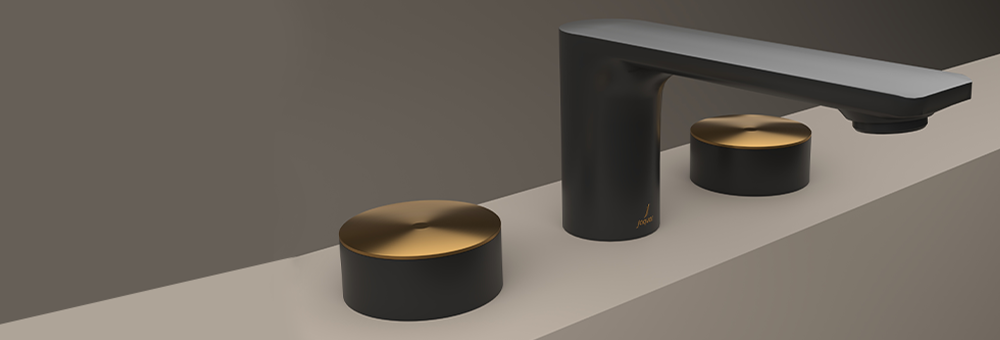
A bathroom tap is something we use every day, but it is usually one of the last things we think about when planning a bathroom.
Then comes the actual selection. There are mixer taps, pillar taps, monobloc taps, wall mounted taps and different kinds of basin taps. They may all do the same basic job, but they do not all work in the same way or suit the same bathroom.
The easiest way to make the right choice is to look at the basin first. How is it designed? Where will the tap sit? And what do you want the basin area to look like once everything is in place?
Here is a closer look at the most common types of taps and where each one fits.
Mixer Tap
A mixer tap brings hot and cold water together through one fitting. Instead of having separate taps, both are controlled from the same unit.
This is one reason mixer taps work well when you want the basin area to look clean and uncluttered. There is also plenty of room to play with the design, from simple, understated forms to more distinctive silhouettes.
There is one thing worth checking before choosing one: the relationship between the tap and the basin. The height and reach of the spout should be right for the basin so that the water falls comfortably into it.
Basin Tap
A basin tap is, quite simply, a tap intended for use with a basin. But that does not mean every basin tap will suit every basin.
The size and shape of the basin matter. So does the position of the tap. A tall tap may work beautifully with one basin but feel out of proportion with another. The same goes for the reach of the spout.
This is why choosing the basin and tap together usually makes more sense than treating them as two completely separate purchases.
The design also plays a part. Since the tap sits in one of the most visible areas of the bathroom, its shape and finish can have an impact on the overall look.
Pillar Tap
Pillar taps are the more traditional option, with separate taps for hot and cold water.
You will often see them used in pairs on a basin, giving the area a familiar two-tap arrangement. They can work particularly well in bathrooms where the design has a classic or more traditional character.
But there is a practical point to remember. The basin needs to have the right configuration for separate tap fittings. It is worth checking this before deciding on the tap style.
Wall Mounted Tap
A wall mounted tap changes the usual arrangement by moving the tap from the basin to the wall above it.
This leaves the basin surface clear and can give the area a more streamlined appearance. It can be a good option when the bathroom design calls for a cleaner look, especially when the basin and wall are being planned together.
The positioning needs a little more thought, though. The tap has to be installed at the right height and distance from the basin for the water to fall in the right place.
So, unlike a tap that simply sits on the basin, a wall mounted tap needs to be considered while the bathroom is being planned, not as an afterthought.
Monobloc Tap
A monobloc tap combines the spout and controls into one fitting and is generally installed through a single tap hole.
It keeps things fairly simple around the basin and works with basins designed for this type of installation.
The word “monobloc” describes the way the fitting is arranged, rather than a particular style. So you will find different shapes and designs within this category. The right one comes down to the basin, the available space and the look you are trying to achieve.
Mixer, Pillar or Wall Mounted: What Makes Sense for Your Bathroom?
Once you look at the different options together, the choice becomes easier.
A mixer tap gives you hot and cold water in one fitting. Pillar taps keep them separate. A monobloc also uses a single fitting, while a wall mounted tap moves the fitting away from the basin itself.
The basin largely determines what will work.
For example, a basin made for separate tap holes will naturally point you towards pillar taps. A basin designed for a single fitting opens up options such as a mixer or monobloc. If you want the basin surface to remain free of the tap, a wall mounted option may be worth considering.
There is no need to choose a particular type simply because it is currently popular. The better choice is the one that works with the bathroom you are actually creating.
A Few Things to Check Before Choosing
Look at the basin first.
Check how many tap holes it has and what kind of installation it allows.
Check the proportions.
The tap should be comfortable to use without looking too large or too small for the basin.
Think about the installation early.
This matters especially for wall mounted taps, where the position of the fitting needs to be planned along with the basin.
Look at the finish as part of the whole bathroom.
The tap does not have to match every fitting exactly, but its finish should work comfortably with the rest of the space.
Think about everyday cleaning.
Bathroom taps are constantly exposed to water, so regular cleaning is part of keeping them looking good. A soft, damp cloth is generally suitable for routine cleaning. For specific finishes, follow the care instructions provided by the manufacturer.
Which Type of Tap Is Right for a Modern Bathroom?
There is no single answer.
A modern bathroom can work just as well with a mixer tap as it can with a monobloc or wall mounted tap. What matters is how the fitting sits within the space.
A simple mixer may complement a minimal basin. A wall mounted tap can help create a cleaner, more open basin area. A monobloc can keep the arrangement compact.
In the end, the best tap is not necessarily the one that stands out the most. It is the one that feels right once the basin, sanitaryware and rest of the bathroom come together.
FAQs
What are the different types of bathroom taps?
Some of the common types include mixer taps, basin taps, pillar taps, wall mounted taps and monobloc taps. They differ mainly in their design and installation, so the right option depends on the basin and bathroom layout.
How do I choose the right bathroom tap?
Start with the basin. Check its tap-hole configuration and installation requirements, then look at the tap's height, reach, design and finish. It should be comfortable to use and proportionate to the basin.
What is the difference between a mixer tap and pillar taps?
A mixer tap brings hot and cold water together through one fitting. Pillar taps use separate fittings, generally one for hot water and one for cold water.
Which type of tap is best for a modern bathroom?
Mixer taps, monobloc taps and wall mounted taps can all work well in a modern bathroom. The right choice depends on the basin, installation and overall design of the space.
How do I maintain bathroom taps?
Clean the tap regularly with a soft, damp cloth and wipe away water marks. Avoid abrasive cleaning materials and follow the manufacturer's instructions for the particular tap and finish.


