
How to Choose the Right Shower System for Your Bathroom
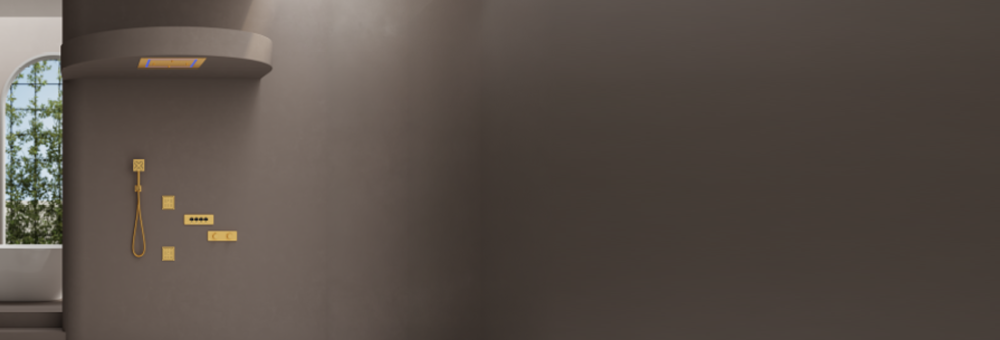
Choosing a shower system is not just about picking a showerhead you like.
There is the water supply to think about, the size of the bathroom, the kind of shower experience you prefer and, of course, how you want the whole setup to look. A shower can be simple, with a mixer and one showerhead, or it can bring together an overhead shower, hand shower and multiple controls in one arrangement.
With so many options available, knowing what each part does can make the decision much easier.
Here is what to look at when choosing a shower system for your bathroom.
Start With the Water Supply
Before getting into the design, look at the water system in your home.
The water pressure available to you can affect how different shower systems perform. Jaquar's shower guide also recommends considering the type of water system, water pressure and boiler setup before choosing a shower. Different shower types have different requirements.
This is particularly important if you are renovating an existing bathroom. A shower that looks right on paper may not be the right fit for the plumbing setup you already have.
Shower Mixer: The Starting Point for Many Bathrooms
A shower mixer lets you control the water coming through the shower while combining hot and cold water. Jaquar offers both concealed and exposed shower mixers, including single-lever options.
A manual shower mixer requires both hot and cold water supply, and the temperature is adjusted manually. Jaquar notes that these mixers are widely used and are suited to contemporary homes and many shower enclosure designs.
For a straightforward shower setup, a mixer can be all you need. If you want both an overhead shower and a hand shower, the mixer can also be part of a larger arrangement. Jaquar's 3-in-1 systems, for example, provide for both overhead and hand showers.
Thermostatic Shower: When Temperature Control Matters
A thermostatic shower takes a different approach to controlling water temperature.
Jaquar describes thermostatic mixers as shower controls designed to maintain a stable water temperature by balancing hot and cold water flow. They are available in both concealed and exposed configurations.
This makes them worth considering if consistent temperature control is important to you.
There are also different configurations within the category. Jaquar's range includes thermostatic shower mixers with options for overhead and hand showers, as well as 2-way and 3-way diverter arrangements.
So, rather than thinking of a thermostatic shower as one fixed setup, consider how many outlets you want to control and how you plan to use them.
Electric Shower: A Different Way to Heat Water
Electric showers work differently from conventional mixer showers.
According to Jaquar's shower guide, an electric shower uses an in-built electrical heating element to heat water and does not rely on a boiler or tank. It requires adequate water pressure from the main system or a shower pump.
The compact nature of electric showers can also make them suitable for smaller bathrooms.
Whether this is the right option for you depends largely on your home's water and heating setup. It is worth checking these requirements before making a decision rather than choosing an electric shower purely for its size.
Overhead Shower: The Main Showering Experience
The overhead shower is the part of the system that delivers water from above. Jaquar offers overhead showers in different shapes, sizes and flow configurations, including single-flow and multi-flow options.
The choice here comes down to the kind of shower experience you prefer and the space available.
An overhead shower can be used on its own or paired with a hand shower. Jaquar's shower systems include combinations of both, allowing the two to work together rather than making you choose one over the other.
When selecting one, look beyond the appearance. Check the available water pressure, the size of the shower area and the flow options offered by the particular model.
Hand Shower: The Flexible Part of the Setup
A hand shower gives you more control over where the water is directed. Unlike a fixed overhead shower, it can be moved and used at different positions.
Jaquar's range includes both single-flow and multi-flow hand showers, with different shapes and sizes available.
A hand shower can also complement an overhead shower. The overhead fitting provides the main showering flow, while the hand shower gives you flexibility when rinsing or cleaning the shower area. Jaquar specifically highlights this combination as part of its shower systems.
For many bathrooms, having both can make the setup more versatile without making the system unnecessarily complicated.
Concealed or Exposed Shower System?
This is mainly a decision about installation and appearance.
With a concealed shower system, much of the working mechanism sits behind the wall, leaving the controls visible. Jaquar describes concealed valves as a choice for bathrooms where a more minimal appearance is desired.
An exposed shower system keeps the shower valve and working components visible on the wall. Jaquar notes that exposed valves also make it easier to switch between an overhead shower and hand shower in suitable setups.
Neither option is automatically better.
If a clean, minimal wall is important to your bathroom design, concealed installation may make more sense. If easier access to the visible components is more important, an exposed setup may be the more practical choice.
The decision should ideally be made before the bathroom work begins, since concealed installation needs to be planned into the wall.
How to Choose the Right Shower System
Before buying, it helps to go through a few simple questions.
How much space do you have?
The size and layout of the shower area will influence what kind of setup makes sense.
What is your water pressure like?
This is one of the first things Jaquar recommends checking. Different shower systems have different water requirements.
Do you want one outlet or more?
A simple shower may only need one outlet. If you want both an overhead and hand shower, look for a system with the appropriate diverter or configuration. Jaquar offers 2-way and 3-way options for different combinations.
Do you want manual or thermostatic control?
A manual mixer lets you adjust the hot and cold water yourself. A thermostatic mixer is designed to maintain a more stable temperature.
What kind of shower experience do you prefer?
Think about whether you want a straightforward everyday shower, a wider overhead flow, the flexibility of a hand shower or a combination of both.
What works with the bathroom design?
The shower system is part of the bathroom, so its shape, finish and installation should sit comfortably with the basin, fittings and other elements around it.
Choosing the Right Shower Is About the Whole Setup
There is no single shower system that works for every bathroom.
A manual mixer may be enough for a straightforward setup. A thermostatic system can make sense when temperature control is a priority. An overhead shower can become the main feature, while a hand shower adds flexibility. And if the bathroom is being designed around a clean, minimal look, a concealed system can keep the wall visually simple.
The important thing is to look at the complete setup rather than choosing individual pieces in isolation.
Once the water supply, bathroom layout, shower controls and preferred experience all work together, choosing the right shower becomes a much simpler decision.
FAQs
What are the different types of shower systems?
Shower systems can include manual shower mixers, thermostatic showers and electric showers. The overall setup can also include different shower outlets, such as overhead and hand showers. Jaquar offers combinations of these components in different configurations.
How do I choose the right shower system?
Start by checking your bathroom size, water pressure and water-heating setup. Then consider how many shower outlets you want, whether you prefer manual or thermostatic temperature control, and whether a concealed or exposed installation suits your bathroom better.
What is a thermostatic shower system?
A thermostatic shower system uses a thermostatic mixer designed to maintain a stable water temperature by balancing hot and cold water flow. Jaquar offers thermostatic shower mixers in both concealed and exposed configurations.
Are concealed shower systems better than exposed systems?
Neither is universally better. Concealed systems keep the main mechanism behind the wall and create a cleaner appearance, while exposed systems keep the components visible and accessible. The choice depends on your bathroom design, installation requirements and preference.
What should I consider when choosing a shower system?
Consider the bathroom layout, water pressure, water-heating system, number of outlets, type of temperature control and whether you want a concealed or exposed installation. It is also worth considering whether you want an overhead shower, hand shower or both.


