
Smart Toilet vs Traditional Toilet: Which Is Better for Modern Bathrooms?
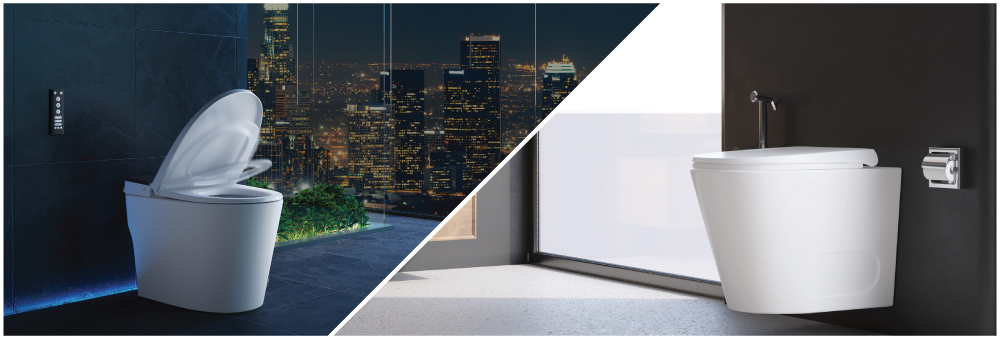
Table of Contents
- The Traditional Toilet Still Has a Lot Going for It
- So, What Exactly Is a Smart Toilet?
- Comfort Isn't Just About Luxury
- Hygiene Has Changed the Conversation
- Water Use Is Another Point Worth Considering
- Does Everyday Convenience Matter?
- What About Installation and Cost?
- Living With It Every Day
- Which One Fits Your Lifestyle?
- Smart Toilet vs Traditional Toilet at a Glance
- Are Smart Toilets the Future?
- Final Thoughts
- Frequently Asked Questions
Not too long ago, a toilet was simply a fixture you picked based on size, shape, and budget. Today, the decision isn't always that straightforward. As bathrooms become more design-focused and technology finds its way into every corner of the home, many homeowners are beginning to look at toilets differently.
This is where the conversation around smart toilet vs traditional toilet begins. You've probably seen smart toilets while browsing bathroom ideas online or walking through a showroom. Heated seats, automatic flushing, built-in bidets, self-cleaning functions. The list is impressive, but it also begs the obvious question. Are these features actually useful or just expensive add-ons?
The answer depends on how you use your bathroom and what you expect from it. For some people, a traditional toilet does everything they need. For others, upgrading to an intelligent toilet is less about luxury and more about making everyday life a little easier. Before comparing the two, let's understand what each one offers.
The Traditional Toilet Still Has a Lot Going for It
Despite all the attention smart toilets receive, traditional toilets haven't become outdated. In fact, they're still the first choice for millions of homes, and for good reason.
They're dependable. A traditional toilet has a simple job, and it does it well. There aren't many components involved, which means fewer things can go wrong. If a flush valve needs replacing or a small repair comes up, most plumbers can fix it quickly without hunting for specialized parts.
Cost is another reason homeowners continue to choose them. Whether you're renovating a guest bathroom or fitting out an entire house, traditional toilets are available in almost every budget. Over the years, they've improved too. Modern models use less water than older versions, and many now include dual-flush systems that help reduce unnecessary water usage.
For anyone looking for a practical solution without stretching the budget, a traditional toilet is still a sensible option.
So, What Exactly Is a Smart Toilet?
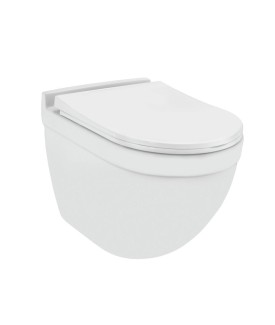
A smart toilet takes the familiar concept of a toilet and builds on it with technology. Instead of focusing only on flushing, it introduces features designed to make the entire experience cleaner, more comfortable, and, in many cases, more hygienic.
Depending on the model, smart toilet features may include:
- Heated seats
- Automatic flushing
- Built-in bidet toilet functionality
- Adjustable water temperature
- Warm air drying
- Motion-activated lids
- Self-cleaning nozzles
- Deodorizing systems
- Night lights
- Personalized user settings
Some of these features might seem unnecessary at first glance. That's often the reaction people have until they actually use one.
A heated seat during winter, hands-free flushing when your hands are full, or a gentle water cleanse instead of relying only on toilet paper can quickly become things you didn't realize you would appreciate. That's one reason toilet technology has gained so much attention over the past few years. It's solving everyday problems in ways people hadn't really considered before.
Comfort Isn't Just About Luxury
When people hear the phrase "smart toilet," they often picture something extravagant. In reality, many of its features are simply designed to make everyday routines more comfortable. Take the heated seat, for example. It sounds like a luxury until the temperature drops and you don't have to sit on a cold toilet seat first thing in the morning.
Or think about households with elderly parents. Small things, like automatic lid opening or hands-free flushing, can make the bathroom easier to use without requiring extra effort. Comfort isn't always about adding something fancy. Sometimes it's about removing little inconveniences that you barely notice until they're gone.
Traditional toilets don't aim to do that. They're built to perform a single task reliably, and they continue to do it well. So the real comparison isn't between a "good" toilet and a "better" one. It's between two very different approaches to the same everyday product.
Hygiene Has Changed the Conversation
A few years ago, most people didn't think much about how many surfaces they touched throughout the day. Now they do. That shift has influenced everything from automatic doors to touch-free soap dispensers, and bathrooms are no exception.
This is where an intelligent toilet stands apart. Many models come with an integrated bidet that cleans with water instead of relying entirely on toilet paper. Users can usually adjust the water pressure and temperature, making the experience more comfortable and, for many people, more effective.
Some models also include self-cleaning nozzles, deodorizing systems, UV sterilization, or touch-free flushing. Do you need all of these features? Probably not.
Do they make the bathroom feel cleaner and easier to maintain? For many homeowners, the answer is yes.
Traditional toilets can absolutely be hygienic. With regular cleaning, they perform perfectly well. The difference is that smart toilets are designed to reduce contact with commonly touched surfaces while helping maintain cleanliness between routine cleaning sessions.
Water Use Is Another Point Worth Considering
Water efficiency has quietly become one of the biggest improvements in modern bathrooms. Traditional toilets have come a long way over the last decade. Dual-flush systems have become common, giving users the option to use less water when a full flush isn't necessary. Smart toilets take that idea a little further.
Some models adjust the amount of water used based on the type of flush. Others are engineered to create a stronger flush while using less water overall. There's another factor people often overlook.
Because many smart toilets include a built-in bidet toilet, households often find themselves using less toilet paper. While that won't completely eliminate paper usage for everyone, it can reduce overall consumption over time. It's a small change, but over the course of a year, those small changes can add up.
Does Everyday Convenience Matter?
This is probably the biggest difference between the two. A traditional toilet asks very little of you. Lift the lid, flush manually, and that's it. A smart toilet tries to simplify the experience.
The lid opens automatically as you approach. Some models flush on their own once you're finished. Others switch on a soft night light so you don't have to turn on the main bathroom light in the middle of the night. None of these features are essential. They're simply designed to remove little interruptions from your daily routine.
That's why bathroom innovation has become less about introducing flashy technology and more about improving the small details people interact with every day. Whether those improvements are worth paying for is something every homeowner has to decide for themselves. The answer often depends less on the technology and more on the kind of home, and lifestyle, you're trying to create.
What About Installation and Cost?
This is usually where the biggest difference shows up. A traditional toilet is easier on the wallet. The fixture itself costs less, installation is straightforward, and in most cases, your existing plumbing is all that's needed. If you're replacing an old toilet with a similar model, the process is fairly simple.
A smart toilet is a bigger investment. Apart from the cost of the fixture, some models require a nearby electrical connection to power features like the heated seat, automatic flushing, or warm air dryer. If your bathroom doesn't already have a power outlet in the right place, you'll need to factor that into the renovation cost as well.
That said, people rarely buy a smart toilet just because it's a toilet. They buy it for everything that comes with it. It's a bit like choosing between a basic car and one with advanced safety features and added comfort. Both will get you where you need to go, but the overall experience is different. Whether that extra investment feels worthwhile depends entirely on what you value.
Living With It Every Day
Buying a toilet is one thing. Living with it for years is another. Traditional toilets have earned a reputation for being low maintenance. There isn't much to think about beyond regular cleaning and the occasional plumbing repair. If something breaks, replacement parts are usually inexpensive and easy to find.
Smart toilets require a little more attention. Since they include electronic components, there are additional parts to maintain. Depending on the model, you may need to clean filters, descale the bidet nozzle, or follow a few maintenance steps recommended by the manufacturer.
That might sound complicated, but it usually isn't. Many premium models clean their own nozzles before and after use, and some even include antibacterial coatings that help keep surfaces cleaner for longer. In practice, the maintenance isn't difficult. It's just different from what most people are used to.
Which One Fits Your Lifestyle?
Instead of asking which toilet is better, it may be more helpful to ask which one fits the way you live. If you're renovating a rental apartment or updating a guest bathroom, a traditional toilet probably makes the most sense. It's practical, affordable, and easy to maintain.
If you're designing a home you'll live in for years, your priorities may be different. You might care more about comfort. Or hygiene. Or accessibility for ageing parents. Maybe you're already investing in other smart home features, so adding an intelligent toilet feels like a natural extension of that idea.
There isn't a right or wrong decision here. The best choice is simply the one that matches your expectations from the space.
Smart Toilet vs Traditional Toilet at a Glance
| Feature | Smart Toilet | Traditional Toilet |
| Comfort | Heated seats, warm air drying, personalised settings | Standard functionality |
| Hygiene | Built-in bidet toilet, touch-free flushing, self-cleaning nozzles | Manual flushing and conventional cleaning |
| Technology | Automated features and sensors | Basic mechanical system |
| Water Efficiency | Optimised flushing and bidet functions | Dual-flush options available in many models |
| Installation | Requires plumbing and, in many cases, electricity | Standard plumbing installation |
| Cost | Higher upfront investment | More budget friendly |
| Maintenance | Occasional care for electronic components | Simple maintenance and repairs |
Are Smart Toilets the Future?
If someone had suggested a decade ago that people would control lights, locks, and air conditioners with their phones, it probably would have sounded unnecessary. Today, it's normal. Bathrooms are following a similar path.
People aren't adopting smart fixtures because they're looking for complicated technology. They're choosing products that save time, improve hygiene, or simply make daily routines feel more comfortable.
That's where bathroom innovation is heading. The goal isn't to fill bathrooms with gadgets. It's to make ordinary experiences feel a little better through thoughtful design. Of course, that doesn't mean every home needs a smart toilet.
Traditional toilets continue to do exactly what they've always done, and they do it reliably. They're likely to remain a popular choice for many years because they meet the needs of most households without adding complexity. At the same time, toilet technology is becoming more accessible, which means features that once felt exclusive are slowly becoming part of mainstream bathroom design.
Final Thoughts
The discussion around smart toilet vs traditional toilet isn't about declaring one the winner. Both have clear advantages.
A traditional toilet is reliable, affordable, and familiar. It's a practical choice for homeowners who prefer simplicity and want a fixture that's easy to maintain.
A smart toilet offers something different. It focuses on improving the overall experience through thoughtful smart toilet features like automatic flushing, heated seats, and integrated bidet functions. While these features aren't essential, they can make everyday routines noticeably more comfortable.
If you're creating a modern bathroom that prioritises convenience, hygiene, and long-term comfort, a smart toilet is worth considering. If your focus is functionality and value for money, a traditional toilet remains an excellent choice. In the end, the best bathroom isn't the one with the most technology. It's the one that suits your lifestyle and makes your daily routine feel effortless.
Frequently Asked Questions
Q. What is the difference between a smart toilet and a traditional toilet?
A traditional toilet is designed for basic flushing and waste disposal. A smart toilet includes additional features such as automatic flushing, heated seats, bidet washing, warm air drying, and touch-free controls that improve comfort and hygiene.
Q. Are smart toilets worth the investment?
They can be, especially if comfort, cleanliness, and convenience are important to you. Although the initial cost is higher, many homeowners feel the added features improve their daily experience.
Q. What features do smart toilets offer?
Popular smart toilet features include heated seats, built-in bidet systems, adjustable water pressure, warm air drying, automatic flushing, self-cleaning nozzles, deodorising functions, night lights, and personalised settings.
Q. Do smart toilets consume more electricity?
Yes, because they power electronic features like seat heating and sensors. However, most models are designed to be energy efficient and use relatively little electricity during normal operation.
Q. Which toilet is easier to maintain?
Traditional toilets are generally easier to maintain because they have fewer components. Smart toilets require occasional maintenance of their electronic and bidet systems, although many include self-cleaning features that reduce manual effort.
Q. Are smart toilets more hygienic than traditional toilets?
Many people believe so. Built-in bidet systems, touch-free flushing, and self-cleaning nozzles help improve personal hygiene and reduce contact with frequently touched surfaces, making smart toilets a cleaner option for many households.



-54x36.jpg)


