
Types of Taps Explained: A Complete Guide for Bathrooms and Kitchens

Table of Contents
- A Good Tap Does More Than Deliver Water
- Why the Mixer Tap Remains So Popular
- The Timeless Character of a Pillar Tap
- When a Wall Mounted Tap Changes the Whole Look
- The Rise of the Sensor Tap
- Choosing the Right Kitchen Tap
- Bringing Style Together with the Right Bathroom Fixtures
- Matching the Tap to the Room
- Choosing a Finish That Ages Well
- A Few Things Worth Checking Before You Buy
- Looking After Your Tap
- The Best Tap Is the One You'll Enjoy Using Every Day
It's easy to underestimate the importance of a tap until the time comes to replace one.
Most of us use taps dozens of times every day without giving them much thought. They become part of the background, quietly doing their job. Yet when you're planning a new kitchen or renovating a bathroom, choosing the right tap suddenly becomes one of the decisions that shapes how the whole space looks and feels.
Walk into a showroom and you'll quickly realise there's far more choice than expected. Contemporary designs sit alongside timeless classics, while new technology offers features that weren't even available a few years ago. With so many Tap Types on the market, finding the right one isn't simply about picking a finish you like. It's about choosing something that works naturally with the way you live.
Rather than asking which tap is the best, it's worth asking a different question. Which tap is the best fit for your home?
A Good Tap Does More Than Deliver Water
Think about the rooms where taps are used every day. In the kitchen, they help prepare meals, rinse vegetables, fill pans and wash dishes. In the bathroom, they're part of your morning routine and often one of the first things you use at the start of the day.
That level of use means a tap should do more than look attractive. It should feel comfortable in the hand, provide reliable water flow and complement the rest of the room without demanding attention. It's one of those details people rarely notice when it's right, but quickly appreciate when it has been chosen well.
Why the Mixer Tap Remains So Popular
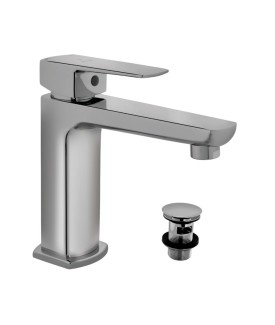
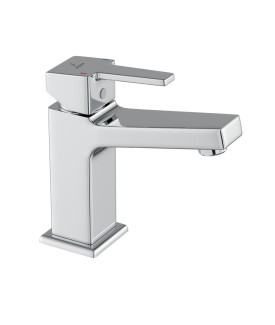
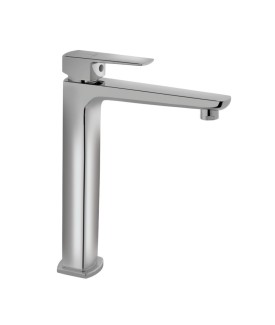
If there is one tap style that has become a favourite in modern homes, it's the Mixer Tap. Its appeal is easy to understand. Instead of having separate hot and cold taps, both water supplies are combined through a single outlet, making it much easier to achieve a comfortable temperature.
That convenience has made mixer taps a natural choice for contemporary kitchens and bathrooms alike. They also suit a wide range of interior styles. Whether your home leans towards traditional design or something more minimalist, there is usually a mixer tap that feels perfectly at home.
For busy households, there's another advantage. Adjusting both temperature and flow is quick and intuitive, something that's appreciated every day rather than just admired when the tap is first installed.
The Timeless Character of a Pillar Tap
Although modern designs continue to evolve, some homeowners still prefer a more familiar approach. A Pillar Tap uses separate controls for hot and cold water, giving each supply its own dedicated tap. It is a style that has been part of British bathrooms for generations and continues to suit period properties particularly well.
There is also something reassuringly simple about its design. For bathrooms inspired by traditional interiors, pillar taps often complement ceramic basins, heritage-style fittings and classic colour palettes more naturally than ultra-modern alternatives. That doesn't mean they're reserved for older homes. Used thoughtfully, pillar taps can also provide an attractive contrast within contemporary spaces where a touch of classic design is welcome.
When a Wall Mounted Tap Changes the Whole Look
Sometimes the smallest design decision has the biggest visual impact. A Wall Mounted Tap is a good example.
Because the tap is installed above the basin or bath rather than through it, the surrounding surfaces appear cleaner and less cluttered. That extra sense of space is one reason wall-mounted designs are becoming increasingly popular in modern bathrooms. There's a practical benefit too. Keeping the basin free from tap holes often makes cleaning easier, as there are fewer edges where watermarks and everyday residue can collect.
Of course, wall-mounted taps require careful planning. Pipework is concealed within the wall, so they are usually considered during a renovation rather than as a quick replacement. For homeowners redesigning a bathroom from the ground up, however, the finished result often feels effortlessly elegant.
The Rise of the Sensor Tap
Technology has quietly changed many parts of the home, and taps are no exception. A Sensor Tap operates without the need to touch a handle. Instead, built-in sensors detect movement and automatically start or stop the water flow. While these taps first became common in airports, hotels and commercial buildings, they're now finding their way into more residential projects.
One reason is hygiene. Another is convenience. When your hands are covered in flour while cooking or soap while washing up, being able to turn the water on without touching the tap can be genuinely useful. They can also help reduce unnecessary water use by ensuring the flow stops automatically when it's no longer needed.
For homeowners interested in combining modern design with practical everyday features, sensor taps are becoming an increasingly attractive option.
Choosing the Right Kitchen Tap
The kitchen places different demands on a tap than almost anywhere else in the home. It's used repeatedly throughout the day, often for tasks that go well beyond washing hands. Filling large pans, rinsing fruit and vegetables, cleaning baking trays or simply making a cup of tea all require slightly different levels of reach and flexibility.
That is why choosing the right Kitchen Tap deserves a little more thought than simply matching the finish to your worktops. Consider the size of your sink, how much clearance is available beneath wall cabinets and whether additional features, such as a pull-out spray or swivel spout, would make everyday tasks easier.
The most successful kitchens are rarely built around a single statement feature. Instead, they are made up of thoughtful choices that make daily life just that little bit easier.
Bringing Style Together with the Right Bathroom Fixtures
A tap never sits in isolation. It shares the room with the basin, shower, bath, mirror, lighting and accessories. When these elements work together, the space feels calm and considered. When they don't, even the most expensive tap can seem out of place. That's why it helps to think about your Bathroom Fixtures as a complete collection rather than individual purchases.
For example, a sleek chrome mixer tap pairs naturally with contemporary basins and minimalist furniture. On the other hand, brushed brass or matt black finishes can create a warmer look when combined with matching towel rails, shower fittings and accessories. The aim isn't to make every item identical. Instead, it's about creating a sense of balance that feels effortless.
Matching the Tap to the Room
Every room asks something slightly different from a tap. A family bathroom often benefits from practicality above everything else. Easy temperature control, durable finishes and straightforward maintenance tend to matter more than decorative details.
A guest cloakroom is different. Because it's used less frequently, many homeowners choose something more distinctive, allowing the tap to become a small design feature that leaves a lasting impression. The kitchen brings another set of priorities altogether. Here, everyday performance usually comes first. A high-arched spout can make washing large cookware easier, while a swivel design provides extra flexibility around the sink.
Thinking about how the tap will be used, rather than simply how it looks, usually leads to a choice you'll remain happy with for years.
Choosing a Finish That Ages Well
Colour often attracts attention first, but it's worth thinking about how the finish will look over time. Polished chrome continues to be one of the most popular options because it works comfortably with almost any interior style. It reflects light well, feels timeless and is generally easy to maintain.
Matt black has become increasingly popular in contemporary homes, bringing contrast without overpowering the room. Brushed finishes, including brushed nickel and brushed brass, offer a softer appearance and are often appreciated because they disguise fingerprints and everyday watermarks more effectively.
Rather than following current trends, choose a finish that complements the overall design of your home. Trends come and go, but good design tends to remain relevant for much longer.
A Few Things Worth Checking Before You Buy
It can be tempting to choose a tap based entirely on appearance, but a few practical checks can prevent disappointment later. Start by looking at the number of tap holes in your basin or sink. Not every tap is compatible with every installation, so confirming this before making a purchase is always worthwhile.
Next, consider the height and reach of the spout. A tap that looks elegant in a showroom may not provide enough clearance for the way you use your sink every day. Water pressure is another important factor.
Some taps are designed to perform best under higher pressure systems, while others work well in homes with lower pressure supplies. Taking a moment to check compatibility helps ensure reliable performance from the beginning. These details may seem small, yet they often make the biggest difference once the tap is in daily use.
Looking After Your Tap
Quality taps are designed to last, but a little routine care goes a long way. A soft cloth and warm water are usually enough for everyday cleaning. Abrasive pads and harsh chemical cleaners can gradually affect the finish, so they are generally best avoided unless recommended by the manufacturer.
If you live in a hard water area, occasional cleaning around the aerator will help maintain a smooth, even flow. It's a simple task that takes only a few minutes but can keep the tap performing as intended. Checking for small drips or loose fittings from time to time is also worthwhile. Addressing minor issues early often prevents larger repairs later.
The Best Tap Is the One You'll Enjoy Using Every Day
There isn't a single tap that's right for every home. Some homeowners appreciate the convenience of a Mixer Tap, while others prefer the familiar appearance of a Pillar Tap. A Wall Mounted Tap can transform a contemporary bathroom, whereas a Sensor Tap offers hands-free convenience that suits busy households.
In the kitchen, choosing the right Kitchen Tap often comes down to how you cook, clean and use the space each day. In the bathroom, the tap should work naturally alongside your other Bathroom Fixtures, creating a room that feels comfortable as well as visually balanced.
At Jaquar UK, thoughtful design is about combining everyday practicality with timeless style. A carefully chosen tap should do more than complete the look of a room. It should feel reliable, comfortable to use and suited to your home for many years to come.
By taking the time to compare different Tap Types, considering how they'll be used and choosing a design that complements your space, you'll end up with a tap that delivers far more than running water. It becomes part of the experience of using your home, day after day.
Frequently Asked Questions
Q1. What are the different types of taps available?
There are several types of taps available, including mixer taps, pillar taps, wall-mounted taps, sensor taps, and kitchen taps. Each type is designed for different bathroom and kitchen requirements.
Q2. Which tap is best for modern bathrooms?
Mixer taps and wall-mounted taps are popular choices for modern bathrooms due to their sleek design, space-saving features, and ability to provide a balanced mix of hot and cold water.
Q3. What is the difference between a mixer tap and a pillar tap?
A mixer tap combines hot and cold water through a single outlet, while pillar taps have separate outlets for hot and cold water, offering a more traditional setup.
Q4. Are touchless taps worth installing?
Yes, sensor taps are worth installing as they improve hygiene, reduce water wastage, and provide a convenient hands-free experience, making them ideal for modern bathrooms and commercial spaces.
Q5. How do I choose the right tap for my kitchen sink?
Choose a kitchen tap based on sink size, usage needs, design preference, and features like swivel spouts or pull-out functionality for easier cleaning and daily kitchen tasks.
Q6. Which tap type is easiest to maintain?
Mixer taps and pillar taps are generally easy to maintain due to their simple design, easy availability of spare parts, and straightforward cleaning and repair process.

.jpg "Types of Saunas Explained: Choosing the Right Sauna for Your Home")


-54x36.jpg)


