
Everything You Need to Know About the Different Types of Toilet Seats
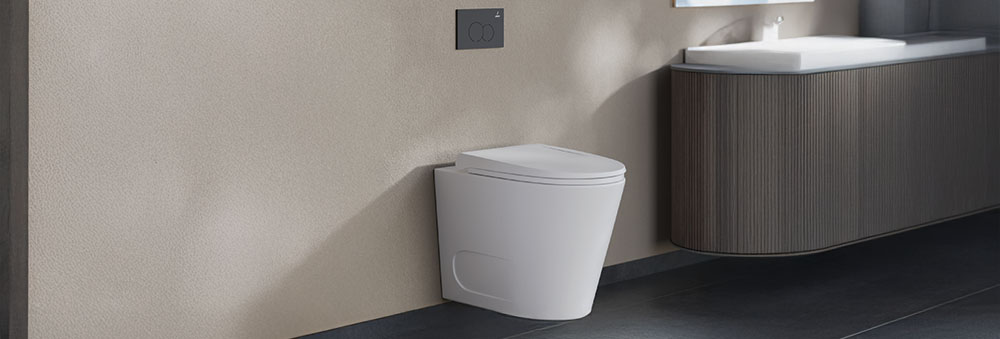
Nobody plans a bathroom around the toilet seat. Tiles get chosen first, then the vanity, then maybe the tap finish — and the seat gets added almost as an afterthought, right at the end of the list. Which is a little strange, considering it's the one part of the bathroom every single person in the house touches, every single day, without exception. Get it wrong and you'll know within a week. Get it right and you'll probably never think about it again, which is exactly the point.
This guide is here to make sure you get it right the first time. It covers the shapes, materials, types and fittings you'll come across when choosing a new toilet seat, along with the practical questions worth asking before you buy — space, household needs, and how much you actually want from a fixture most people barely notice until it lets them down.
Why the Toilet Seat Deserves More Thought Than It Gets
A toilet seat gets opened and closed dozens of times a day across a household, which makes it one of the hardest-working, least appreciated fittings in the room. It also happens to be one of the easiest things to get wrong — the wrong shape won't sit flush on the pan, the wrong fixing won't attach at all, and the wrong material can leave you sitting on cold plastic every winter morning for years.
The good news is that none of this is complicated once you know what to look for. Toilet seats vary across four main factors - shape, material, type and fixing - and once you've nailed down each of these, choosing the right one becomes far more straightforward than it first appears.
Toilet Seat Shapes: Matching the Pan and the Room
Shape is usually the first thing people notice, and it's largely dictated by the toilet pan itself rather than personal taste — most seats are designed to match either a rounded or an elongated bowl.
Rounded seats are the more compact option, taking up less depth in the room. They suit smaller bathrooms and cloakrooms, and tend to appear more often in traditional or classic bathroom schemes where a softer silhouette fits the overall look.
Elongated or pointed seats offer a bit more room to sit comfortably and are generally considered the more comfortable of the two, though they do take up slightly more floor space. These are common across both traditional and contemporary ranges, since the extra comfort tends to outweigh the modest difference in footprint for most households.
Beyond these two core profiles, many modern ranges also offer sleeker, more angular silhouettes designed for minimalist bathrooms, alongside wrap-over designs where the lid fully covers the seat for a cleaner, more contained look when closed. Jaquar UK's toilet seat range spans both classic rounded profiles and more contemporary shapes, so matching one to an existing pan or a full bathroom redesign is rarely a limiting factor.
It's worth remembering that shape isn't purely aesthetic - it's tied directly to the pan underneath. A seat that looks perfect in a showroom photo won't sit correctly on a pan it wasn't designed for, which is why shape and pan compatibility should always be checked together rather than treated as separate decisions. If you're replacing a worn seat on an existing toilet, the safest approach is to match the new seat's shape to the old one rather than assuming a different profile will simply drop into place.
Toilet Seat Materials: Plastic Versus Wood
Material affects comfort, durability and how much upkeep a seat needs - and this is where most of the practical trade-offs actually live.
Plastic seats are the most common choice for good reason. They're lightweight, resistant to moisture, simple to wipe clean, and hold up well to daily use. The one genuine downside is temperature - plastic can feel noticeably cold first thing in the morning, particularly through a British winter.
Wooden seats bring warmth in both senses of the word - literally warmer to sit on, and visually warmer in how they read against tiling and fittings. A well-finished wooden seat, properly sealed against moisture, suits traditional and transitional bathroom schemes especially well, adding a natural material into a room that's otherwise dominated by ceramic and glass. The trade-off is that wood generally requires a little more care than plastic to keep it performing well over the years, so a durable, waterproof finish is worth checking for before you buy.
Neither material is objectively better - it comes down to which one suits your bathroom's overall material palette and how much maintenance you're happy to take on.
A practical middle ground worth knowing about: some ranges now offer wood-effect finishes on more moisture-resistant materials, giving you the warmer visual tone of timber without the same level of upkeep. It's a useful option if you like the look of a wooden seat but want the low-maintenance practicality of plastic underneath, particularly in a bathroom that sees heavy daily use.
Types of Toilet Seats
This is where things get genuinely practical, since the "type" of seat determines how it behaves day to day far more than shape or material does.
Soft-Close Seats
If there's one upgrade almost everyone appreciates once they've had it, it's a soft close toilet seat. A slow-motion hinge lowers the lid gently instead of letting it slam, which matters more than it sounds — no more waking a sleeping household at midnight, no more pinched fingers in a family with young children, and considerably less wear on the hinge itself over time. Soft-close mechanisms are now standard across most mid-range and premium seats, plastic and wooden alike.
Lifestyle fit: Genuinely useful in every household, but especially valuable in family bathrooms and homes with children, where noise and safety both matter.
Quick-Release Seats
Quick-release hinges let the seat lift cleanly off the pan without tools, making it far easier to clean thoroughly underneath and around the hinge area — a spot that's otherwise awkward to reach properly. It's a small mechanical detail, but one that has an outsized impact on how easy the toilet is to keep genuinely clean.
Lifestyle fit: Well suited to busy households where thorough cleaning needs to be quick rather than a production.
Slim and Ultra-Slim Seats
Slim seats trade a little bulk for a sleeker profile, and they tend to pair naturally with contemporary, wall-hung and tankless toilet designs where a lower-profile look is part of the appeal. They don't necessarily save floor space, but they do make a toilet appear less bulky, which matters more than it sounds in a smaller or more minimally styled bathroom.
Lifestyle fit: A natural match for compact bathrooms and contemporary renovations where visual lightness is part of the brief.
Smart and Bidet-Style Seats
At the more advanced end of the spectrum sit smart toilet seat designs, which bring washing and drying functions, sensor-based operation and hygiene-focused materials into the seat itself. These typically include front and rear wash settings, adjustable water temperature, and in some cases hands-free controls, making them less about comfort alone and more about rethinking the bathroom routine entirely. Jaquar UK's Bidspa range sits in this category, built around full human sensors and foot-kick controls for a genuinely hands-free experience.
Lifestyle fit: Suits households prioritising hygiene and convenience, and particularly useful for anyone wanting a lower-effort, more accessible daily routine.
Durable, Hygiene-Focused Seats
For busy family bathrooms or households that simply want something built to withstand heavy daily use, seats made with antibacterial or easy-clean materials add a layer of everyday hygiene without asking for any extra effort. These tend to combine well with soft-close and quick-release mechanisms, since durability and convenience usually go hand in hand.
Lifestyle fit: A sensible choice for any household bathroom used by multiple people throughout the day.
What This Looks Like Day to Day
The differences between these categories become far more obvious once you picture them in the context of an actual household, rather than as a list of specifications.
A family bathroom with young children. Soft-close hinges stop lids slamming during hurried morning routines, and quick-release fittings make the regular deep clean a five-minute job rather than an awkward one. Durable, easy-clean materials matter more here than in almost any other room in the house.
A period property with a classic bathroom suite. A rounded or elongated wooden seat, properly finished, complements traditional sanitaryware in a way that plastic rarely can. It's a small detail, but it's often the difference between a bathroom that looks assembled and one that looks considered.
A compact en-suite or downstairs cloakroom. A slim-profile seat paired with a wall-hung or tankless toilet keeps the room feeling open rather than cluttered, which matters disproportionately in a smaller footprint where every visual detail either adds to the sense of space or takes away from it.
A household supporting a family member with reduced mobility. A smart or bidet-style seat with hands-free controls can meaningfully reduce the physical effort involved in a daily task, without the bathroom needing to look overtly clinical or adapted.
A busy household bathroom used by several people throughout the day. Durable, antibacterial-finish seats combined with soft-close and quick-release mechanisms tend to hold up best here, since they're built to handle frequent use without needing constant attention.
None of these scenarios demand every feature at once - the point is recognising which of them actually describes your household, so you're choosing based on how the bathroom gets used rather than which seat happens to look best in a listing photo.
Getting the Size Right
Toilet seats aren't sold in a single universal size, and this is where a surprising number of people run into trouble. Seat sizes in the UK commonly range between roughly 350mm and 500mm, and both length and width need to be checked against your existing pan before ordering.
To measure accurately, remove your current seat first, then take three measurements: the distance between the post holes at the back of the seat area, the widest point across the bowl, and the length from the front of the pan back to the post holes. Comparing these figures against a new seat's listed dimensions is the surest way to avoid ordering something that looks right in a photo but doesn't actually fit.
Understanding Toilet Seat Fixings
The fixing is easy to overlook because it's hidden once installed, but it's the detail that decides whether a seat you've fallen in love with will actually attach to your toilet.
Top-fixing seats are tightened entirely from above, with no need to reach underneath the pan — a detail that also makes them easier to remove and refit for cleaning. This style is common on wall-hung and back-to-wall toilets, where there's no accessible space beneath the pan to work with.
Bottom-fixing seats are fitted from the top but secured underneath with a wing nut, and tend to be the standard on classic, open-back toilet designs.
A quick way to check which one your toilet needs: reach underneath the pan near the hinge holes. If you can feel a bolt and nut, it's bottom-fix. If there's nothing there, it's top-fix. Worth noting — a top-fix seat will generally work on either type of toilet, which makes it the safer default if you're ever unsure.
Fixings are also worth checking against the seat's hinge spacing, not just the fixing type. Post holes vary slightly between manufacturers, so even a seat with the correct fixing style can occasionally sit slightly off-centre if the hinge spacing doesn't match exactly. It's a minor detail, but one more reason why measuring the existing pan before ordering saves a return and a second wait for delivery.
How to Choose the Right Toilet Seat for Your Bathroom
Once you understand the categories, choosing comes down to three practical questions rather than guesswork.
How much space are you working with? Smaller bathrooms and cloakrooms generally suit rounded or slim-profile seats, which keep the room feeling open. Larger family bathrooms have more flexibility and can comfortably take an elongated seat without it dominating the space.
Who uses this bathroom, and how often? A busy family bathroom benefits enormously from soft-close and quick-release mechanisms, purely from a wear-and-tear and cleaning perspective. A guest cloakroom used occasionally has more room to prioritise looks over heavy-duty features. A bathroom shared by someone with reduced mobility may benefit from the hands-free convenience of a smart seat.
How much are you looking to invest in daily comfort? This isn't about price - it's about how much of your routine you want the seat to actively improve. A straightforward soft-close plastic seat solves the basics well. A wooden seat adds warmth and character. A smart seat reshapes the routine altogether. None of these is the "correct" answer; they simply suit different expectations of what a toilet seat should do.
A practical starting point: measure your existing pan, decide whether you're matching what's already there or planning a fuller renovation, and then work through shape, material and type in that order. It removes almost all of the guesswork before you've looked at a single product listing.
It's also worth thinking a step beyond the seat itself. A new toilet seat sits alongside a basin, tiling and other fittings, so checking that its finish, colour and overall silhouette align with the rest of the room avoids it standing out as a mismatched addition. This matters most with wooden seats, where the tone needs to work with cabinetry or flooring, and least with plain white plastic, which tends to sit comfortably in almost any scheme.
Frequently Asked Questions:-
What is the standard toilet seat size in the UK?
There isn't one single standard, but most seats fall between 350mm and 500mm in length. Measuring your existing pan before buying is the only reliable way to guarantee a fit.
Are soft-close toilet seats worth it?
For most households, yes. Beyond the obvious noise reduction, soft-close hinges reduce wear on the seat and pan over time, and lower the risk of pinched fingers in homes with young children.
How do I know if I need a top-fix or bottom-fix seat?
Reach underneath the pan near the hinge holes. A bolt and wing nut means bottom-fix; nothing there means top-fix. Top-fix seats will generally also work on bottom-fix toilets, making them a safe default choice.
Is a wooden or plastic toilet seat better?
Neither is universally better - plastic is easier to maintain and more moisture-resistant, while wood offers more warmth, both physically and visually. The right choice depends on your bathroom's material palette and how much upkeep you're willing to do.
Can any toilet seat be replaced with a smart seat?
Not always. Smart and bidet-style seats often require a nearby power source and compatible pan dimensions, so it's worth checking compatibility before assuming a straightforward swap.
Bringing It All Together
The toilet seat might be the smallest decision in a bathroom renovation, but it's also one of the few fittings that gets used, without exception, by everyone in the house, every single day. Getting the shape, material, type and fixing right isn't complicated once you break it down — it just needs a bit more attention than most people are used to giving it.
Start with what your pan actually needs, think honestly about how your household uses the bathroom, and let comfort and practicality guide the rest. It's a small upgrade with a genuinely outsized impact on how a bathroom feels, day after day.
For those weighing up their options, Jaquar UK's toilet seat range covers this full spectrum, from soft-close and quick-release plastic seats through to wooden finishes and the fully integrated Bidspa smart seat collection, so a fit exists whether you're replacing a single worn seat or planning a complete bathroom overhaul. Every seat is designed with the fixing and finish details already considered, which takes much of the guesswork out of matching one to an existing pan. It's the kind of detail that goes unnoticed when it's right - which, for a toilet seat, is exactly the goal.


