
Different Types of Bathtubs Explained: A Complete Buyer's Guide
.jpg)
There is something satisfying about sinking into a warm bath after a long day. It is one of those simple routines that can make a home feel a little more comfortable. Yet when it comes to choosing a new bathtub, many people discover that there is far more to consider than they first expected.
A quick search online brings up dozens of styles, materials and installation options. One bath sits neatly against the wall, another stands proudly in the middle of the room, while others promise a deeper soak or make better use of awkward corners. They may all serve the same purpose, but they certainly do not offer the same experience.
The good news is that there is no single "best" bathtub. The right choice depends on your bathroom, your lifestyle and what you expect from the space. A family renovating the main bathroom will naturally have different priorities from someone designing a peaceful en-suite where long, relaxing baths are part of the routine.
Rather than focusing on trends, it helps to understand what each style is designed to do. Once you know that, narrowing down your options becomes much easier.
Before You Choose a Bathtub
One mistake people often make is falling in love with a particular design before checking whether it suits the room.
A bath that looks stunning in a large showroom can quickly dominate a smaller bathroom. Equally, a compact model may look lost in a spacious room where a more striking feature would create better balance.
Start with the practical details. Measure the available floor space carefully and think about how you move around the room every day. Consider where the plumbing already sits, whether you're replacing an existing bath or starting from scratch, and how much space you'll need around the bath for cleaning and maintenance.
It is also worth thinking beyond today's needs. A bathtub is something most homeowners expect to keep for many years, so choosing one that suits both your current lifestyle and future plans is usually a sensible investment.
Freestanding Bathtub
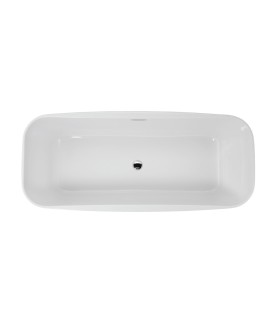
Few bathroom features create an impression quite like a Freestanding Bathtub.
Walk into a well-designed bathroom and it is often the first thing your eye notices. It does not rely on elaborate decoration to stand out. Instead, its shape and position naturally become part of the room's character.
One reason homeowners continue to choose freestanding baths is their flexibility from a design perspective. Because they are not enclosed by surrounding walls or panels, they allow the bathroom to feel more open. They also work beautifully in both traditional and contemporary interiors, depending on the silhouette you choose.
Of course, they are not suitable for every home. Freestanding baths generally need a little breathing room around them. In a compact bathroom, that extra space may be better used elsewhere. Cleaning around the bath is another consideration, particularly if access is limited.
Where space allows, however, a freestanding bath often transforms an ordinary bathroom into somewhere that feels noticeably calmer and more luxurious.
Alcove Bathtub
Not every bathroom is designed around making a statement. Sometimes practicality is exactly what the room calls for.
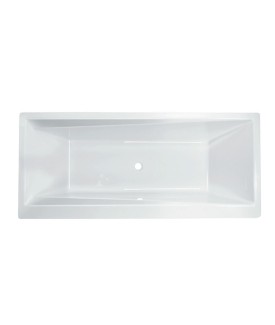
That is where the Alcove Bathtub has remained popular for so many years. Positioned neatly between three walls, this style makes excellent use of available space. It is familiar, dependable and particularly well suited to family homes where the bathroom needs to work hard every single day.
An alcove bath also pairs naturally with an overhead shower, making it a sensible solution if you want both bathing and showering without giving up valuable floor space. While it may not attract attention in quite the same way as a freestanding bath, its appeal lies somewhere else. It quietly does its job, fits comfortably into smaller bathrooms and leaves more room for storage, vanity units or additional features. For many households, that balance between practicality and comfort is exactly what makes it the right choice.
Drop-In Bathtub
Some homeowners prefer a bathroom that feels more tailored than off the shelf. A Drop-In Bathtub offers that opportunity. Instead of seeing the bath itself as the finished product, think of it as part of a larger design. The bathtub is fitted into a custom-built surround, allowing you to choose finishes that complement the rest of the room. Stone, porcelain, timber-effect panels and composite surfaces can all create very different looks while housing the same bath.
This approach also introduces useful ledge space around the edge of the bath. It quickly becomes somewhere to place toiletries, folded towels or simply a book and a cup of tea while you enjoy a quiet soak.
Installation is more involved because the supporting structure must be built first, so it is generally chosen during complete bathroom renovations rather than quick upgrades. If creating a bespoke bathroom is high on your list, a drop-in bath offers a level of design flexibility that many other styles simply cannot.
Corner Bathtub
Every bathroom has its own quirks. Some have sloping ceilings, others have unusual layouts, while a few seem to have corners that never quite know what they should be used for.
A Corner Bathtub can often solve that problem surprisingly well. Rather than treating the corner as wasted space, this style turns it into a comfortable bathing area while freeing up the rest of the room. That extra floor space can make a noticeable difference, particularly in bathrooms where every centimetre counts.
Many people assume a corner bath feels smaller than a standard model, yet the opposite is often true. Thanks to their wider design, they can provide generous bathing space while still fitting neatly into layouts where conventional baths struggle.
Like every option, they suit certain homes better than others. In the right setting, though, they combine practicality with a softer, more distinctive appearance than a standard rectangular bath.
Soaking Tub
If your idea of a bath is a quick five-minute soak before getting on with the day, a standard bathtub will probably meet your needs. If, however, you see bathing as a chance to slow down, switch off for a while and enjoy a little peace, a Soaking Tub is worth considering.
The difference is immediately noticeable. Rather than being particularly long, soaking tubs are usually deeper. That extra depth allows more of your body to be immersed in warm water, creating a bathing experience that feels far more relaxing.
It is one of the reasons they have become increasingly popular in homes where the bathroom is designed as a place to unwind rather than simply a functional space. Some homeowners assume a soaking tub requires a huge bathroom, but that is not always the case. Because many designs prioritise depth over length, they can work surprisingly well in rooms where space is limited.
Looking Beyond Style: Choosing the Right Bathtub Materials
Style may catch your attention first, but the material determines how the bathtub performs over the years. When comparing Bathtub Materials, think about how the bath will be used rather than simply how it looks on the day it is installed.
Acrylic remains one of the most popular choices, largely because it offers a sensible balance between comfort, weight and affordability. It feels warm to the touch, is relatively lightweight and is available in an extensive range of shapes and sizes. Steel baths appeal to homeowners looking for durability and straightforward maintenance. Their enamel finish is smooth, easy to clean and resistant to everyday staining, making them a practical option for busy households.
Stone resin has become increasingly common in premium bathroom designs. It has a reassuring solidity that many people appreciate, and it retains heat well, helping bathwater stay warmer for longer. Because of its weight, it is usually worth checking that the floor can support it comfortably before installation.
Cast iron continues to have its place too. Although considerably heavier than modern alternatives, it offers exceptional longevity and suits period properties particularly well. Many cast iron baths remain in excellent condition decades after they were first installed, which says a great deal about their durability. Rather than asking which material is best, ask which one fits your home and the way you live. The answer is often much clearer.
Matching the Bath to Your Lifestyle
A bathroom should feel comfortable to use every day, not just look attractive in photographs. For a busy family bathroom, an Alcove Bathtub often makes the most sense. It keeps the layout efficient, works well with an overhead shower and leaves enough room for storage and everyday essentials.
If your renovation is centred around creating a luxurious master bathroom, a Freestanding Bathtub naturally becomes more appealing. It introduces a sense of openness that many homeowners associate with boutique hotels and high-end interiors. Those looking for a more bespoke finish may lean towards a Drop-In Bathtub, particularly if they want surrounding stone, timber or tiled surfaces to become part of the overall design.
Bathrooms with challenging layouts often benefit from a Corner Bathtub, making good use of space that might otherwise remain underused. Meanwhile, anyone who genuinely enjoys taking long baths will probably appreciate the comfort offered by a Soaking Tub far more than a standard model. None of these choices is automatically right or wrong. The best bath is simply the one that feels right for your home.
A Few Practical Points Before You Buy
It is easy to become focused on colour, shape and style, but a few practical checks can save frustration later. Take accurate measurements more than once. Consider how the bathtub will be carried into the property, particularly if you're renovating an older home with narrower doorways or staircases. Think about taps at the same time rather than afterwards. Some baths are designed to work with deck-mounted fittings, while others suit wall-mounted or floor-standing taps better. Planning these details together usually creates a more balanced result.
Maintenance is another factor worth considering. Choosing a bathtub that allows comfortable access for cleaning around the edges will make everyday care much simpler. These may seem like small details, yet they often have the greatest impact once the bathroom is in regular use.
Bringing Everything Together
A well-designed bathroom rarely comes down to one standout feature. Instead, it is the way every element works together that creates a room people enjoy spending time in.
The bathtub should feel like a natural part of that design, complementing the available space rather than competing with it. Whether you are updating a family bathroom, renovating an en-suite or planning a completely new interior, taking time to compare styles, layouts and materials is always worthwhile.
At Jaquar UK, thoughtful design sits alongside everyday practicality. Choosing a bathtub is not simply about following current trends. It is about finding a solution that continues to feel comfortable and functional long after the renovation is complete.
Whether that turns out to be a timeless Freestanding Bathtub, a practical Alcove Bathtub, a tailored Drop-In Bathtub, a space-conscious Corner Bathtub, or a relaxing Soaking Tub, understanding your options allows you to make a decision with confidence. After all, the best bathroom is not necessarily the one with the most expensive fittings. It is the one that feels right every time you step inside.
Frequently Asked Questions
What are the different types of bathtubs available?
The most common options include Freestanding Bathtubs, Alcove Bathtubs, Drop-In Bathtubs, Corner Bathtubs and Soaking Tubs. Each is designed to suit different bathroom layouts and lifestyles.
Which bathtub type is best for small bathrooms?
An Alcove Bathtub is often the best choice for smaller bathrooms as it fits neatly against three walls and makes efficient use of the available space.
What is the difference between a freestanding and built-in bathtub?
A freestanding bathtub stands independently and often becomes a focal point, while a built-in bathtub is installed against walls or within a surround for a more space-efficient layout.
Which bathtub material is the most durable?
Cast iron is widely regarded as one of the most durable bathtub materials, while stone resin and high-quality acrylic are also popular for their strength and long-lasting performance.
Are freestanding bathtubs difficult to install?
Freestanding bathtubs may require more planning than built-in models, particularly for plumbing and positioning, but they can be installed smoothly by an experienced professional.
How do I choose the right bathtub for my home?
Consider your bathroom size, available space, preferred style, budget and how you plan to use the bath. Choosing a design that balances comfort with practicality will give you the best long-term results.



-54x36.jpg)


