
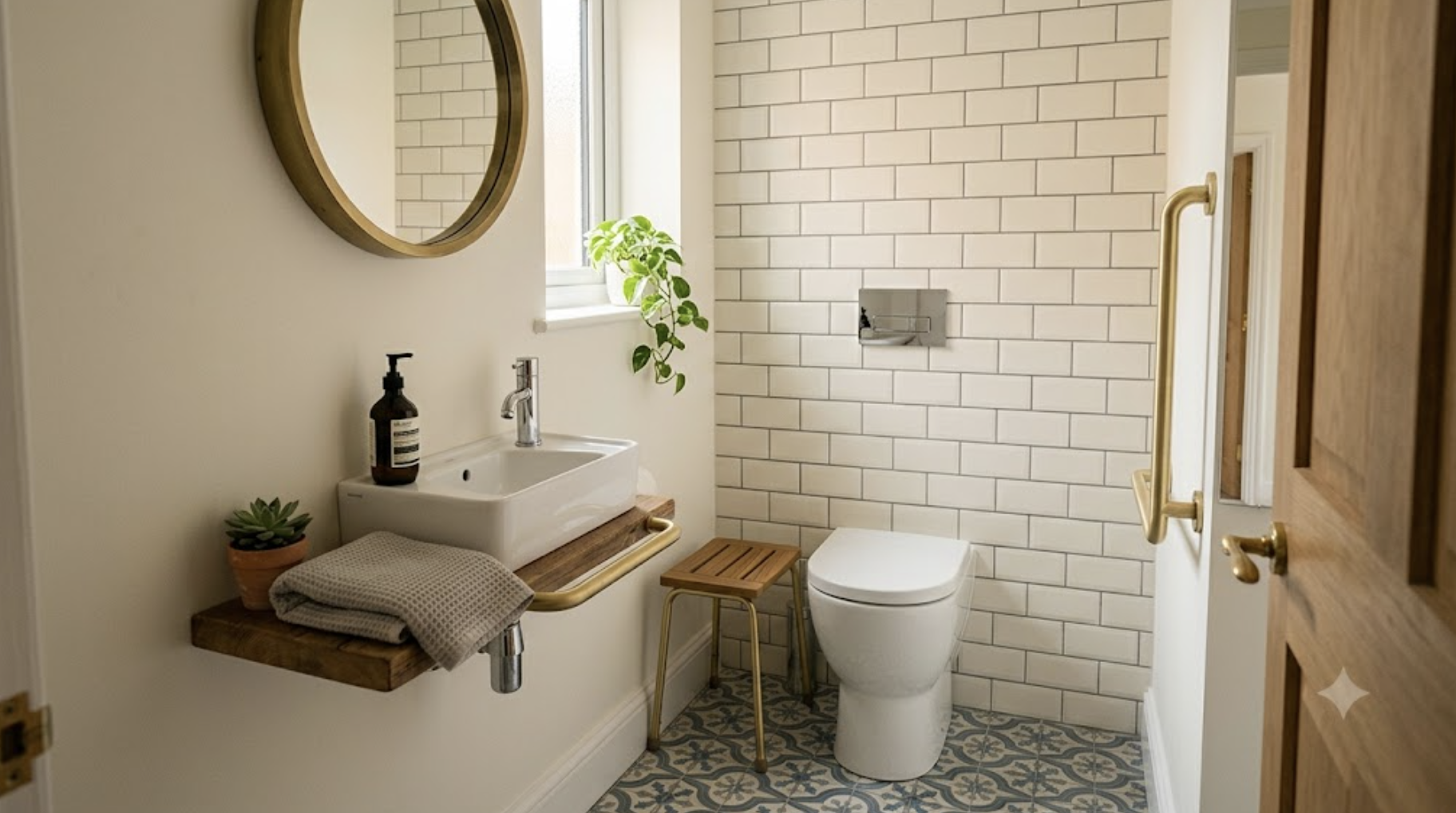
Everything You Need to Know About Bathroom Ventilation: A Complete Guide
A bathroom is one of the most moisture-prone rooms in any home. Every hot shower, bath and wash releases water vapour into the air. Without an effective way to remove that moisture, it can settle on mirrors, windows, walls and ceilings, leaving condensation behind and creating conditions in which mould may develop.
Bathroom ventilation is therefore about much more than clearing a steamed-up mirror. It helps manage humidity, protects the condition of bathroom surfaces and supports a more comfortable indoor environment.
Whether you are renovating a family bathroom, designing a new ensuite or trying to resolve persistent condensation, understanding how ventilation works can help you make better decisions. From choosing an extractor fan to improving airflow and recognising signs of inadequate ventilation, a few practical considerations can make a meaningful difference.
This guide explains the different types of bathroom ventilation, how to choose an appropriate solution, how to reduce moisture after showering and what to consider when planning ventilation alongside your bathroom fixtures.
What Is Bathroom Ventilation?
Bathroom ventilation is the process of removing stale, humid air and replacing it with fresher air. It helps control the moisture produced by bathing, showering and other everyday activities.
When warm, moisture-laden air comes into contact with a cooler surface, some of its water vapour condenses into liquid droplets. This is why mirrors fog up after a hot shower and why water may collect on windows, tiled walls or ceilings.
A well-designed ventilation system helps remove moisture from the room before it accumulates excessively. Depending on the bathroom and the building, this may involve opening a window, using a mechanical extractor fan or combining different ventilation methods.
Ventilation is particularly important in bathrooms because they often contain several surfaces exposed to moisture, including grout, sealant, painted ceilings, cabinets and flooring. Some materials tolerate regular exposure to water better than others, but persistent dampness can affect many finishes over time.
Effective bathroom ventilation helps to:
- Reduce the build-up of moisture after bathing or showering.
- Limit persistent condensation on cooler surfaces.
- Reduce the conditions that allow mould and mildew to develop.
- Help bathroom surfaces and furnishings dry more effectively.
- Remove humid air and support indoor air quality.
- Protect the long-term condition of finishes when combined with appropriate maintenance.
Ventilation does not eliminate every source of dampness. Leaking pipes, failed seals, penetrating water and other building defects require separate investigation. However, managing moisture in the air is an important part of maintaining a bathroom.
Why Is Bathroom Ventilation Important?
Bathrooms experience short periods of intense moisture production. A hot shower can release a considerable amount of water vapour into a relatively small room, particularly when the door and windows remain closed.
If that moisture is not removed, humidity can remain elevated after the shower has finished. Condensation may then appear on surfaces that are cooler than the surrounding air.
Over time, repeated exposure to moisture can contribute to problems with decoration, sealant, grout, cabinetry and other bathroom finishes.
1. Helps reduce condensation
Condensation occurs when moisture in the air turns into liquid water on a cooler surface.
In a bathroom, this commonly happens on mirrors, windows, tiled walls and ceilings. Some condensation immediately after a hot shower is normal, but surfaces that remain wet for extended periods may indicate that moisture is not being removed effectively.
An extractor fan can help by drawing humid air out of the room. Opening a suitable window can also help disperse moisture when outdoor conditions and the room layout allow it.
The objective is not necessarily to prevent every drop of condensation. It is to help the room return to a comfortable moisture level more quickly.
2. Helps control mould and mildew
Mould can develop where moisture remains available on surfaces for long enough. Bathrooms are particularly vulnerable around window frames, ceiling corners, grout lines, silicone seals and areas with limited airflow.
Good ventilation reduces excess moisture, helping make these conditions less favourable for mould growth.
However, ventilation is only one part of mould prevention. Regular cleaning, repairing leaks, maintaining sound seals and allowing wet surfaces to dry are also important.
If mould repeatedly returns despite reasonable ventilation and cleaning, investigate whether there is a hidden leak, cold surface, thermal bridge or another source of dampness.
3. Protects bathroom finishes
Bathrooms combine water, warm air and a variety of materials. These include painted ceilings, timber-based cabinetry, grout, silicone, metal fittings and decorative surfaces.
Persistent moisture can contribute to peeling paint, deteriorating sealant, swelling in moisture-sensitive materials and discolouration around joints.
Reducing humidity and allowing the room to dry can help preserve these finishes. Ventilation should be considered alongside suitable material selection, correct installation and routine maintenance.
4. Improves everyday comfort
A bathroom that remains humid long after showering can feel stuffy and uncomfortable.
Effective ventilation helps clear the heavy, damp atmosphere that often follows a hot shower. It can also help remove lingering odours and improve the general freshness of the room.
A quieter fan with suitable extraction performance may be more comfortable to use regularly, particularly in an ensuite located near a bedroom.
5. Supports a better-designed bathroom
Ventilation is sometimes left until the final stages of a renovation, after the tiles, shower and vanity have already been selected.
Planning it earlier makes it easier to coordinate the fan, duct route, electrical supply, lighting and bathroom layout. It also helps ensure that the ventilation solution suits the room rather than being treated as an afterthought.
When planning a new shower or enclosure, consider ventilation alongside the other design decisions. The Jaquar UK shower enclosure collection can help you explore different shower layouts, while ventilation should be planned to suit the finished room.
What Are the Different Types of Bathroom Ventilation?
The most suitable ventilation method depends on the bathroom's location, the availability of an external wall, the window arrangement and the building's existing ventilation system.
The main options include natural ventilation, mechanical extraction and continuous mechanical ventilation.
1. Natural ventilation
Natural ventilation uses openings such as windows to allow air to move into and out of a room.
Opening a bathroom window after showering can help disperse humid air, particularly when there is a useful flow of air through the room.
This method has the advantage of requiring no extractor fan to operate during that particular period. However, its effectiveness depends on several factors, including outdoor weather, window size, airflow and the bathroom's position within the building.
Natural ventilation may be less practical during cold or wet weather, when privacy is a concern or when the bathroom has no external window. It may also be insufficient to meet the applicable ventilation requirements for a particular property.
2. Mechanical extraction
Mechanical extraction uses a fan to remove humid air from the bathroom and discharge it outdoors through a suitable duct or outlet.
An extractor fan is a common solution for bathrooms, especially those with limited natural ventilation. Depending on the model, it may be operated using a light switch, a separate switch, a timer or a humidity sensor.
A fan must be selected and installed to suit the room and duct route. Long duct runs, restrictive bends, blocked outlets and poorly planned installations can reduce airflow.
Extracted air should be discharged to an appropriate external location rather than into a roof space or another enclosed part of the building.
3. Continuous mechanical ventilation
Continuous mechanical ventilation systems operate at a low background rate and may increase extraction when humidity or occupancy rises.
These systems can provide ongoing ventilation rather than relying entirely on a fan switched on during a shower. They may be used as part of a wider whole-house ventilation strategy.
The suitability of a continuous system depends on the building design, the existing ventilation arrangement and the applicable requirements. Professional advice can help determine the appropriate system and installation.
4. Humidity-sensing extractor fans
Humidity-sensing fans use a sensor to detect changes in moisture levels and adjust their operation accordingly.
Depending on the model and settings, the fan may activate automatically when humidity rises and continue running until the moisture level falls.
This can be useful in busy family bathrooms or ensuites where the fan may otherwise be switched off too soon. Sensor performance and settings should be checked in accordance with the manufacturer's instructions.
5. Timer-controlled extractor fans
A timer-controlled extractor fan continues operating for a set period after the main switch has been turned off.
This run-on period allows the fan to keep removing humid air after a shower or bath has finished. The appropriate duration depends on the fan, the room and the ventilation design.
Timer controls can be useful where occupants might otherwise switch off the fan immediately after leaving the bathroom.
How to Choose the Right Bathroom Extractor Fan
Choosing an extractor fan involves more than selecting a model that fits the ceiling or wall. It should provide appropriate airflow, work with the planned duct route and suit the way the bathroom is used.
Check the required extraction rate
Extraction rate describes the volume of air a fan can move over a given period. It is commonly expressed in litres per second or cubic metres per hour.
The required rate depends on the room, the building and the applicable ventilation standards. Check the relevant requirements and the manufacturer's performance information before selecting a fan.
Consider the duct route
The route from the fan to the external outlet affects its performance. Long duct runs, multiple bends and restrictive duct sizes can increase resistance and reduce the amount of air extracted.
Where possible, plan a suitable, direct duct route and use compatible ducting. The installation should follow the fan manufacturer's specifications.
Look at noise levels
Extractor fans vary in operating noise. This can be especially important in an ensuite or a bathroom located close to a bedroom or living space.
Compare the published noise levels alongside airflow performance. A quiet fan is only a suitable choice if it also meets the required extraction needs.
Choose appropriate controls
Fans may use a manual switch, a timer, a humidity sensor or a combination of controls.
A timer can help keep extraction running after showering, while a humidity sensor may automate operation when moisture levels rise. Choose controls that suit the room's use and can be maintained and adjusted correctly.
Check electrical and installation requirements
Bathrooms have specific electrical safety considerations because of the presence of water. The fan's position, electrical rating and installation must be suitable for the location and comply with applicable requirements.
Consult a qualified installer or electrician where necessary, particularly if the work involves new wiring, changes to the electrical supply or alterations to the building's ventilation system.
How Much Bathroom Ventilation Do You Need?
The amount of ventilation required depends on the bathroom's size, the type of ventilation system, how the room is used and the standards that apply to the property.
Room size alone is not enough to determine the correct fan. The extraction rate must also account for the building's ventilation strategy and the relevant requirements.
Understand airflow ratings
Fan airflow is commonly stated in litres per second (l/s) or cubic metres per hour (m³/h). These units describe how much air the fan can move over time.
When comparing products, check that the quoted performance is appropriate for the intended installation. Performance can vary depending on duct resistance and other installation conditions.
Check current building regulations
In England, Approved Document F provides guidance on ventilation for buildings. Requirements and recommendations may differ depending on the type of property, the ventilation system and the work being carried out.
Refer to the relevant current guidance and seek professional advice where necessary. Do not select a fan solely on the basis of a general rule of thumb.
For reference, consult the government's Approved Document F guidance and confirm which version and provisions apply to your project.
Consider the whole ventilation system
Ventilation depends on more than the fan itself. Air must be able to enter the room and move towards the extraction point, while the extracted air needs a suitable route outdoors.
Doors, transfer gaps, background ventilators and other parts of the building's ventilation arrangement may affect performance. Any changes should be assessed as part of the overall system rather than in isolation.
Bathroom Ventilation for Windowless Bathrooms
A bathroom without a window cannot rely on opening an external window to remove humid air. Mechanical ventilation is therefore particularly important where natural ventilation is unavailable or insufficient.
Install a suitable extractor fan
Choose a fan that meets the required extraction performance and is compatible with the available route to an external outlet.
The fan may be installed in a wall or ceiling, depending on the room layout and the manufacturer's instructions. The duct route should be planned carefully to minimise unnecessary resistance.
Use a timer or humidity control
Timer controls help the fan continue running after the light is switched off. Humidity controls can automate operation when moisture levels rise.
Either option can help reduce reliance on occupants remembering to operate the fan, provided the equipment is correctly selected and configured.
Allow air to reach the extractor
An extractor fan needs replacement air to move through the room. If the room is too tightly sealed, airflow may be restricted.
Ensure that the overall ventilation arrangement provides an appropriate route for replacement air. Do not block intended vents or make changes without understanding how they affect the system.
Reduce moisture at source
Simple habits can help a windowless bathroom dry more effectively. Wipe excess water from shower screens and tiles, hang towels so they can dry and keep wet items from remaining in enclosed spaces.
These measures support ventilation but should not replace an appropriate mechanical system where one is required.
How to Reduce Condensation in Your Bathroom
Condensation forms when humid air meets a surface that is cool enough for water vapour to condense. The most effective approach combines moisture removal with habits that help surfaces dry.
Run the extractor fan during and after showering
Use the extractor fan as intended and allow it to continue operating for the recommended period after bathing or showering.
If condensation remains for a long time, check whether the fan is working correctly and whether the ventilation system is providing adequate airflow.
Wipe down wet surfaces
Removing standing water from shower screens, tiles and other surfaces reduces the amount of moisture that can evaporate back into the room.
A squeegee or soft cloth can be useful for quickly removing excess water after showering.
Keep the bathroom warm enough
Very cold surfaces are more likely to attract condensation when warm, humid air comes into contact with them.
Maintaining a suitable indoor temperature can help, although heating alone does not remove moisture. Ventilation remains important.
Avoid drying laundry in the bathroom
Wet clothes release moisture as they dry. Drying laundry in a bathroom that already experiences high humidity can increase condensation and slow the drying of other surfaces.
Where possible, dry laundry in a well-ventilated area that is suitable for that purpose.
Investigate persistent condensation
If condensation continues despite using the fan and adopting sensible drying habits, investigate the cause.
Potential issues include insufficient extraction, restricted ductwork, inadequate replacement air, cold surfaces or other sources of dampness. A qualified professional can assess the system and recommend suitable improvements.
How to Prevent Bathroom Mould
Mould prevention starts with controlling moisture. Bathrooms are naturally humid spaces, but persistent dampness can create conditions in which mould grows on grout, sealant, painted surfaces and other materials.
Maintain effective ventilation
Use the extractor fan during and after showering, and make sure it is functioning correctly. Clean the grille as instructed and investigate any noticeable reduction in airflow.
Ventilation helps remove humid air, but it may not resolve mould caused by leaks or building defects.
Clean grout and sealant regularly
Regular cleaning helps remove soap residue and surface dirt that can accumulate in damp areas.
Inspect grout and silicone seals for cracks, gaps or deterioration. Damaged seals should be repaired or replaced appropriately to reduce the risk of water entering concealed areas.
Repair leaks promptly
Leaking pipes, taps, shower fittings and failed waterproofing can create persistent dampness that ventilation alone cannot resolve.
Address leaks as soon as possible and investigate any unexplained damp patches, swelling or discolouration.
Allow surfaces to dry
After bathing, remove excess water where practical and hang towels so that air can circulate around them.
Keep storage areas reasonably ventilated and avoid leaving wet items in enclosed spaces for extended periods.
Address recurring mould at its source
Cleaning visible mould may improve the appearance of a surface, but recurrence often indicates that the underlying moisture problem has not been resolved.
If mould repeatedly returns, check the ventilation system, inspect seals and plumbing, and consider whether cold surfaces or hidden dampness may be contributing.
For further guidance, read the guide to removing bathroom mould.
Bathroom Ventilation and Shower Enclosures
A shower enclosure helps contain splashes and keep water within the showering area, but it does not eliminate the water vapour generated by hot water.
Steam can escape through openings in the enclosure and mix with the surrounding air. Effective ventilation is still needed to remove moisture and help the bathroom dry after use.
Plan ventilation around the shower layout
Consider the shower position, the extractor location and the route that humid air needs to travel to reach the fan.
The fan should be positioned and installed in accordance with the manufacturer's instructions and applicable electrical and ventilation requirements.
Keep shower screens clean and dry
Wiping down the enclosure after use helps remove water droplets and reduces the amount of standing water left to evaporate.
Regular cleaning also helps prevent soap residue and mineral deposits from building up on the glass and fittings.
Choose an enclosure that suits the room
The enclosure should fit the bathroom layout and provide practical access, suitable splash control and ease of cleaning.
Explore the Jaquar UK shower enclosure collection when considering enclosure options for your bathroom design.
Bathroom Ventilation in Small Bathrooms and Ensuites
Small bathrooms and ensuites can accumulate moisture quickly because they contain a relatively small volume of air. Limited window access and compact layouts may also make airflow more challenging.
Choose a fan for the room and ductwork
A compact fan is not automatically the best choice for a small bathroom. The equipment must still meet the required extraction performance and work effectively with the duct route.
Consider the fan's airflow, noise level, controls and maintenance requirements when comparing options.
Keep airflow paths clear
Ensure that replacement air can enter the bathroom and move towards the extractor. Avoid blocking intended vents or creating obstructions that interfere with the ventilation arrangement.
If the door is routinely kept closed, the system may need a suitable transfer-air path. Any changes should be consistent with the building's ventilation design.
Make use of available space
Good planning can help a compact bathroom feel more practical without compromising ventilation. Storage, shower positioning and door movement should be considered alongside the location of the fan and other fittings.
For more ideas, explore these small bathroom design ideas.
Pay attention to ensuite noise
Since an ensuite is often close to a bedroom, fan noise can influence comfort and willingness to use the system regularly.
Compare noise ratings and choose a suitable installation that provides the required airflow without creating unnecessary disturbance.
Common Bathroom Ventilation Mistakes to Avoid
Switching the fan off too early
Moisture remains in the air after a shower has finished. Turning the fan off immediately may leave insufficient time for the room to clear.
Use the recommended run-on period or an appropriate automatic control.
Choosing a fan based only on price
A low-cost fan may not provide the airflow, noise performance or controls required for the room.
Compare technical specifications and installation requirements before making a decision.
Ignoring the duct route
Dust, debris, unsuitable ducting and excessive bends can reduce airflow.
If a fan has become less effective, have the system inspected rather than assuming that the fan itself needs replacing.
Relying entirely on an open window
An opening window can help remove moisture, but it may not satisfy the ventilation requirements for the building.
Check the ventilation strategy and applicable standards before treating natural ventilation as the only solution.
Covering vents or blocking replacement air
Background ventilators and other intended air paths are part of the ventilation arrangement. Blocking them without an appropriate alternative may compromise the system.
If you experience draughts or discomfort, seek advice on improving the arrangement rather than simply sealing every opening.
Treating mould without addressing the cause
Cleaning visible mould may improve the appearance of a surface, but it will not prevent recurrence if moisture continues to accumulate.
Check ventilation, repair leaks and investigate persistent dampness before assuming that cleaning alone will solve the problem.
How to Maintain Your Bathroom Ventilation System
Regular maintenance helps a ventilation system continue working as intended.
The exact requirements vary by system, so always follow the manufacturer's instructions.
Clean the fan grille
Dust can build up around the grille and restrict airflow. Switch off and isolate the equipment as instructed before cleaning any accessible parts.
Do not remove electrical components unless the manufacturer's instructions allow it and you are competent to carry out the work safely.
Check that the fan is operating normally
Listen for changes in noise and look for signs of vibration or inconsistent operation.
A fan that runs but extracts very little air may have a problem with the ductwork, external outlet or fan itself. Professional inspection may be necessary.
Keep external outlets clear
Where the outlet is safely accessible, check that it is not visibly obstructed by debris or other material.
Do not climb to an unsafe location or dismantle components to inspect them. Use a qualified professional if access is difficult.
Test automatic controls
If the fan uses a timer or humidity sensor, check that it responds as expected.
A fan that stops too quickly or fails to respond to increased humidity may need adjustment, servicing or replacement.
Arrange professional servicing when needed
If the system is noisy, ineffective or showing signs of damage, seek advice from a qualified installer or electrician as appropriate.
Ventilation equipment should be maintained so that it remains safe, accessible and capable of delivering its intended performance.
Bathroom Ventilation FAQs
Why is bathroom ventilation important?
Bathroom ventilation helps remove humid air generated by showers and baths. It can reduce persistent condensation, help limit the conditions that encourage mould and support the long-term condition of bathroom finishes.
Is an extractor fan necessary in a bathroom with a window?
An opening window can provide natural ventilation, but it does not automatically remove the need for mechanical extraction. Requirements depend on the building, the ventilation design and the applicable regulations. Confirm the correct approach for your property.
How long should a bathroom extractor fan run after a shower?
The required run-on period depends on the fan, the room and the ventilation design. A timer or humidity control can help ensure that extraction continues after showering. Follow the manufacturer's instructions and the applicable requirements for your installation.
What type of extractor fan is best for a bathroom?
The best fan is one that meets the required extraction performance, suits the duct route, operates at an acceptable noise level and can be maintained safely. Timer and humidity controls may also be useful, depending on how the bathroom is used.
How do I know if my bathroom ventilation is inadequate?
Warning signs include condensation that remains for a long time, recurring mould, persistent damp smells and a fan that appears to move very little air. These symptoms can also have other causes, so inspect the ventilation system and investigate leaks or building defects where necessary.
Can bathroom ventilation prevent mould completely?
Ventilation can reduce excess moisture and help make conditions less favourable for mould growth, but it cannot guarantee that mould will never develop. Leaks, cold surfaces, damaged seals and other sources of dampness may also need attention.
Is natural ventilation enough for a small bathroom?
Not necessarily. The required ventilation method depends on the building and applicable standards, not just the room's size. A qualified installer can advise whether natural ventilation is suitable or whether mechanical extraction is required.
Does a shower enclosure prevent condensation?
A shower enclosure helps contain splashes but does not prevent the water vapour produced by hot water from entering the bathroom air. Effective ventilation is still needed to remove humid air and manage condensation.
Can I install a bathroom extractor fan myself?
The suitability of DIY installation depends on the work involved, your competence and the applicable electrical and building requirements. Bathroom electrical work requires particular care because of the presence of water. Use a qualified professional where necessary, especially for electrical connections, new duct routes or work affecting the building's ventilation system.
Where should a bathroom extractor fan be installed?
The correct location depends on the bathroom layout, the moisture source, the fan type, the duct route and the manufacturer's instructions. The installation must also comply with applicable ventilation and electrical requirements. A qualified installer can determine the most suitable position.
What should I do if mould keeps returning?
Check whether the ventilation system is working properly, allow surfaces to dry and inspect seals and plumbing for leaks. If the problem persists, investigate possible cold surfaces, hidden dampness or building defects. Extensive or recurring mould may require professional assessment.
Does ventilation help protect bathroom cabinets and fittings?
Effective ventilation helps reduce persistent moisture, which can support the condition of cabinets, sealant, paintwork and other finishes. However, suitable material selection, correct installation, routine cleaning and prompt repair of leaks remain important.
Final Thoughts: Create a Bathroom That Can Dry Effectively
Bathroom ventilation is an essential part of a well-planned bathroom. It helps manage the moisture produced by everyday routines, reduces persistent condensation and supports the long-term condition of surfaces and fittings.
The right solution depends on the property and the way the bathroom is used. A suitable extractor fan may work well for an individual bathroom, while a continuous or whole-house ventilation system may be appropriate for other buildings.
Start by understanding the bathroom's layout, the available window and duct routes, and the ventilation system already in place. Choose equipment that meets the applicable requirements, check that replacement air can enter the room and ensure that extracted air is discharged through an appropriate outlet.
Good daily habits also make a difference. Run the fan for the appropriate period, wipe away excess water, allow towels to dry and investigate recurring mould rather than treating the visible signs alone.
If you are planning a bathroom renovation, include ventilation in the design from the beginning. Coordinate the extractor, lighting, shower, enclosure and other fittings before installation so that each element works as part of a practical, cohesive space.
Explore the Jaquar UK shower collection and shower enclosure collection when planning the showering area, and make ventilation an equally important part of the overall design. With the right planning and maintenance, your bathroom can remain comfortable, functional and easier to care for over time.


