
What Is a WC Suite? A Complete Guide to Toilet Suites for UK Bathrooms
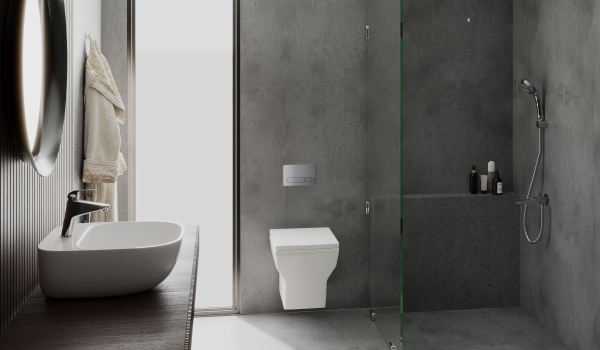
A WC suite is an essential part of any bathroom, en-suite or cloakroom. However, the term can be confusing when you are planning a new bathroom or replacing an existing toilet. Does it refer to the toilet alone, or does it include the cistern, toilet seat and flushing mechanism as well?
Understanding what makes up a WC suite helps you choose the right configuration for your space, installation requirements and preferred bathroom design. From traditional close-coupled toilets to contemporary wall-hung WCs, back-to-wall designs and smart toilets, there are several options to consider.
This guide explains what a WC suite is, the components it can include, the different types available and the features worth considering when choosing one for a UK bathroom. It also explores how installation requirements, flushing systems, cleaning considerations and bathroom dimensions influence the final decision.
What Is a WC Suite?
A WC suite is a toilet installation comprising a toilet pan and the associated components required for its intended use. Depending on the design, these may include a cistern, flushing mechanism, toilet seat, flush plate and concealed installation components.
WC stands for water closet, a term commonly used in the UK to describe a toilet or the dedicated space containing one. A WC suite can therefore refer to the complete toilet arrangement rather than just the ceramic pan.
The precise components included depend on the product. A close-coupled WC suite, for example, typically combines a toilet pan with a cistern mounted directly above it. A wall-hung toilet generally requires a compatible concealed cistern and supporting frame, which may be specified separately. Some smart toilet models incorporate additional electronic and personal hygiene functions.
The distinction matters when purchasing sanitaryware. Two products described as toilets may have different installation requirements and may not include the same accessories or concealed components.
When comparing options, check the product description, technical drawings and installation information to establish exactly what is supplied.
What Does a WC Suite Include?
Although configurations vary, several components commonly make up a WC installation.
1. Toilet pan
The toilet pan is the main ceramic component on which the toilet seat is fitted. It contains the bowl and connects to the waste outlet, allowing wastewater to pass into the drainage system.
Pans are available in different shapes, sizes and installation formats. Depending on the design, they may be floor-mounted, wall-hung, back-to-wall or integrated into a single-piece toilet.
The pan's dimensions, projection and waste connection are important considerations when choosing a replacement or planning a new bathroom.
2. Cistern
The cistern stores the water required for flushing in conventional toilet systems. When the flush is activated, water flows from the cistern into the pan to clear its contents.
In a close-coupled toilet, the cistern is connected directly to the pan. In a concealed cistern installation, it is positioned behind a suitable wall or furniture arrangement, leaving fewer components visible.
Some tankless designs use a different flushing arrangement without a conventional visible cistern. The precise configuration depends on the model and its installation requirements.
3. Flushing mechanism
The flushing mechanism controls the release of water into the toilet pan. Depending on the design, the flush may be activated using a button, flush plate or electronic control.
Dual-flush systems provide two flush options. The actual flushing arrangement and water consumption should be checked against the specifications of the individual product.
4. Toilet seat and cover
The toilet seat provides the seating surface, while the cover closes over the pan when required. Seat shapes and fixing arrangements vary, so compatibility with the chosen toilet is important.
Selected configurations include soft-close seating, which lowers the seat and cover gradually rather than allowing them to fall freely. Certain smart toilet models also incorporate electronic seat functions.
5. Installation components
Depending on the WC type, the installation may require a waste connection, water supply connection, fixings, supporting frame, concealed cistern or compatible flush plate.
These components are particularly important for wall-hung toilets, where the supporting frame and cistern are concealed behind the finished wall.
Important: A WC suite does not necessarily include every component needed for installation. Always confirm the contents of the chosen product and identify any additional items required before purchasing.
What Are the Different Types of WC Suites?
WC suites are available in several configurations. The main differences relate to how the toilet is mounted, where the cistern is positioned and how the components are arranged.
The most suitable option depends on the available space, existing plumbing, installation conditions and the appearance you want to achieve.
1. Close-coupled WC suite
A close-coupled toilet has a cistern connected directly to the toilet pan. The cistern and pan form a single, coordinated installation, making this a familiar configuration in many bathrooms.
Because the cistern remains visible, there is no need to conceal it behind a specially constructed installation wall. However, the complete unit's dimensions must be considered when planning the layout.
Close-coupled WCs are worth considering when you want a straightforward floor-mounted arrangement. The current toilet collection includes coupled configurations alongside other installation styles.
When selecting one, consider the overall width and projection, the shape of the pan, the cistern design and the available space around the toilet.
2. Wall-hung WC suite
A wall-hung toilet is fixed to a suitable concealed supporting frame rather than resting directly on the finished floor. Its cistern and supporting structure are generally hidden behind the wall, leaving the pan suspended above the floor.
This arrangement creates a visually open area beneath the toilet. It can make the surrounding floor easier to access during cleaning and supports a clean, contemporary bathroom design.
However, the visible toilet is only one part of the installation. A compatible frame, concealed cistern and appropriate fixing arrangement must be selected. The wall construction, installation depth and finished height also need to be planned carefully.
Wall-hung WCs can work well in en-suites, family bathrooms and compact spaces where a streamlined appearance is desirable.
Before choosing this configuration, confirm that the bathroom can accommodate the concealed installation system.
3. Back-to-wall WC suite
A back-to-wall toilet is installed directly on the floor, with the rear of the pan positioned against a wall or suitable furniture unit. The cistern can be concealed behind the wall or within a compatible unit.
Unlike a wall-hung WC, the pan remains floor-mounted. This makes the installation visually streamlined without creating an open gap beneath the toilet.
Back-to-wall designs can be useful when you want to conceal the cistern and associated plumbing while retaining a floor-mounted toilet.
When planning this type of WC suite, check the space available for the cistern, the position of the waste connection and the access required for maintenance.
4. Single-piece WC suite
A single-piece toilet integrates the main visible toilet components into one overall form. Rather than having a separately connected visible cistern and pan, the design creates a more continuous appearance.
This can suit bathrooms where a unified silhouette is preferred. The final dimensions and shape still vary by model, so the available installation space should be measured before making a selection.
Single-piece toilets may also incorporate rimless bowl designs, depending on the model.
5. Tankless WC suite
A tankless toilet does not use a conventional visible cistern as part of its design. Depending on the configuration, the flushing system is integrated into the unit or uses a different installation arrangement.
Removing the visible cistern can create a more streamlined appearance and may help with space planning. However, a tankless WC should not automatically be assumed to fit every bathroom or require no additional installation provisions.
Water supply conditions, flushing technology, connections and the manufacturer's installation instructions must be checked for the chosen model.
Explore the tankless toilet range to compare the available configurations.
6. Smart WC suite
A smart toilet combines the core function of a WC with additional electronic and hygiene-focused features. Depending on the model, these may include washing functions, electronic controls, a self-cleaning nozzle, night lighting and soft-close detachable seating.
Selected products in the smart toilet collection include Bidspa and Luxelet options, with different configurations and functions across the range.
A smart WC may be worth considering when integrated hygiene features and additional convenience are priorities. However, the functions are model-specific, and the installation requirements should be reviewed before selecting a product.
For a complete specification, compare the features of the individual toilet rather than assuming every smart model provides the same functions.
What Is the Difference Between a WC Suite and a Toilet?
The terms are closely related, but they can describe different levels of the installation.
A toilet can refer specifically to the pan or to the complete fixture in everyday conversation. A WC suite generally describes the toilet arrangement as a coordinated unit, potentially including the pan, cistern, seat and flushing components.
For example, purchasing a toilet pan alone may not provide the cistern, flush plate, supporting frame or seat required for the intended installation. A complete suite may include several of these items, depending on the product.
The terminology is not always used consistently across product listings. Therefore, the most reliable approach is to check the product's contents and technical documentation rather than relying on the word suite alone.
What Is the Difference Between a WC Suite and a Toilet Seat?
A toilet seat is only one component of the overall WC installation. It fits onto the toilet pan and provides the seating surface, with a cover on many configurations.
A WC suite, by contrast, refers to the broader toilet arrangement.
Toilet seats are available in different shapes, dimensions, materials and fixing arrangements. A seat that looks similar to an existing one may not fit the pan correctly.
Before replacing a seat, check its shape, dimensions, fixing positions and compatibility with the specific toilet model. If the existing seat has a soft-close mechanism, confirm whether the replacement offers the same function.
Selected smart WC models have integrated or model-specific seating systems. These should be treated as part of the complete product specification rather than as interchangeable accessories.
What Is a Concealed Cistern WC Suite?
A concealed cistern WC suite uses a cistern installed behind a wall or within a suitable furniture arrangement. The cistern is hidden from view, while the flush plate or another compatible control remains accessible.
This configuration is commonly used with wall-hung and back-to-wall toilets. It reduces the number of visible components around the WC and can help create a cleaner bathroom layout.
A concealed installation typically involves several compatible elements:
-
The toilet pan.
-
A concealed cistern.
-
A supporting frame where required.
-
A compatible flush plate or control.
-
The relevant plumbing and waste connections.
The components must be specified together. A flush plate designed for one cistern system should not be assumed to work with another.
Installation depth is also important. The cistern and frame must fit within the planned wall or furniture arrangement, allowing for the finished surfaces and the manufacturer's requirements.
For further information, explore the concealed cisterns and frames collection.
Which WC Suite Is Best for a Small Bathroom?
Choosing a toilet for a small bathroom or cloakroom requires careful consideration of dimensions and circulation space.
The right option is not necessarily the smallest product available. It should fit the room while leaving enough space to use the toilet comfortably and move around other fixtures.
Consider toilet projection
Projection describes how far the toilet extends into the room from its installation position. A shorter projection may help preserve usable floor space, particularly in a compact cloakroom.
Compare the complete dimensions of each model rather than looking at width alone.
Consider a wall-hung design
A wall-hung WC leaves the floor beneath the pan visible. This can create a more open visual effect and make the area underneath easier to clean.
However, the concealed frame and cistern still require space behind the finished wall. The complete installation depth must be included in the layout.
Consider a back-to-wall design
A back-to-wall toilet can conceal the cistern while keeping the pan floor-mounted. It may be suitable when you want a clean appearance without choosing a wall-hung installation.
The required cistern arrangement and the available room for the installation should be established before purchasing the WC.
Measure the complete layout
Measure the intended toilet area and check the position of the door, basin, shower enclosure and nearby furniture. Ensure that the chosen configuration does not obstruct movement or interfere with other fittings.
For a replacement project, also check the existing waste outlet and water supply. A different toilet type may require changes to the plumbing or installation arrangement.
What Features Should You Look for in a WC Suite?
Beyond the installation format, several product features can influence everyday use and maintenance.
Rimless bowl design
A rimless toilet has a bowl design without the conventional concealed rim around the upper interior edge. This can make the internal surfaces more accessible during routine cleaning.
Rimless designs are available across selected toilet configurations, including wall-hung, back-to-wall and coupled models.
However, the bowl design alone does not determine the complete cleaning experience. Consider the flushing arrangement, surface accessibility and manufacturer's cleaning instructions as well.
Soft-close toilet seat
A soft-close seat lowers gradually, helping reduce the noise and impact associated with a seat or cover being dropped.
This feature can be useful in shared bathrooms and households where quieter operation is preferred.
Check whether the seat is included with the toilet and whether its fixing arrangement is compatible with the selected pan.
Dual-flush mechanism
A dual-flush system offers two flushing options, allowing the user to select between different flush volumes.
The actual water consumption depends on the specific model and its configuration. For example, the Bidspa smart toilet information lists a dual-flush arrangement of 3/6 litres per flush for the relevant model described on the website.
Always confirm the published specification for the product you are considering rather than assuming every dual-flush toilet uses the same volumes.
Smart hygiene functions
Selected smart toilets incorporate washing functions, a self-cleaning nozzle and electronic controls. Other features may include night lighting and detachable seat covers.
These functions can provide additional convenience, but their availability differs by model. Consider which features are useful for your household and review the installation requirements before making a decision.
Finish and overall design
The toilet should complement the bathroom's other visible elements, including the basin, taps, shower fittings and furniture.
The shape of the pan, the presence of a visible cistern and the choice of wall-mounted or floor-mounted installation all influence the overall appearance.
A coordinated design considers the toilet as part of the complete room rather than as an isolated fixture.
How to Choose the Right WC Suite for Your Bathroom
A systematic approach makes it easier to compare products and avoid installation problems.
Step 1: Assess the available space. Measure the width and depth of the toilet area, including the available clearance around the pan. Check the door opening and the position of nearby fittings.
Step 2: Identify the installation type. Decide whether a close-coupled, wall-hung, back-to-wall, single-piece or tankless design is appropriate. Consider both the appearance and the work required to install it.
Step 3: Check the plumbing. Record the existing waste outlet position and water supply arrangement if you are replacing a toilet. Confirm whether the proposed model is compatible or whether changes will be necessary.
Step 4: Identify the required components. Establish whether the pan, cistern, seat, flush plate, frame and fixings are included. Obtain any additional compatible components before installation begins.
Step 5: Compare useful features. Consider rimless construction, soft-close seating, dual flushing and smart functions according to your priorities. Review the specifications of each individual product.
Step 6: Review installation information. Check the technical drawing, dimensions and installation instructions. For concealed systems, confirm the frame, cistern and flush plate compatibility before closing or finishing the wall.
Step 7: Coordinate the bathroom design. Consider the WC alongside the basin, taps, shower and other sanitaryware to ensure that the finished layout is practical and visually consistent.
Taking these steps before purchasing can help prevent compatibility issues and reduce the likelihood of unexpected changes during installation.
How Do You Maintain a WC Suite?
Regular cleaning and appropriate maintenance help keep the toilet hygienic and functioning as intended.
Clean the pan, seat, cover and surrounding surfaces using products suitable for the materials and finishes. Follow the manufacturer's guidance and avoid cleaning methods that may damage the ceramic, seat or electronic components.
For rimless designs, pay attention to the bowl's internal surfaces during routine cleaning. For concealed cistern installations, keep the designated access point available so that internal components can be reached if maintenance is required.
Smart toilets require particular care around their electronic and washing functions. Follow the instructions for the individual model, especially when cleaning the nozzle, seat and controls.
If you notice a persistent leak, a weak flush or another fault, investigate the cause rather than assuming the entire toilet needs replacing. Where the issue involves plumbing, concealed components or electrical connections, use a suitably qualified professional.
Frequently Asked Questions About WC Suites
What does WC stand for?
WC stands for water closet. In the UK, it is a commonly used term for a toilet or a dedicated space containing one.
Is a WC suite the same as a toilet suite?
The terms are generally used to describe the same type of installation. Both can refer to a toilet and its associated components, although the exact items supplied depend on the product.
Does a WC suite include a cistern?
Not always. A close-coupled suite generally includes a cistern connected to the pan, but a toilet pan or a wall-hung WC may be sold separately from its concealed cistern and supporting frame. Always check the product details.
Does a WC suite include a toilet seat?
The inclusion of a seat depends on the product specification. Confirm whether the seat and cover are supplied with the pan or need to be purchased separately.
What is the difference between a close-coupled and back-to-wall WC?
A close-coupled toilet has a visible cistern connected directly to the pan. A back-to-wall toilet sits on the floor with its rear positioned against a wall or suitable unit, and its cistern can be concealed.
Is a wall-hung WC suitable for a UK bathroom?
A wall-hung WC can be suitable for many UK bathroom layouts, provided the installation can accommodate the required supporting frame, cistern and plumbing. The structure, dimensions and installation instructions should be checked before choosing this configuration.
Are rimless toilets easier to clean?
A rimless design removes the conventional concealed rim, making the internal bowl surfaces more accessible during routine cleaning. The overall cleaning requirements still depend on the product design and the manufacturer's maintenance guidance.
What is the difference between a smart toilet and a conventional WC?
A conventional WC provides the core toilet and flushing functions. A smart toilet adds electronic or hygiene-focused features, which may include washing functions, a self-cleaning nozzle, night lighting and electronic controls. The available functions vary by model.
Can I replace an existing toilet without changing the plumbing?
Sometimes. A replacement may be straightforward if the new toilet is compatible with the existing waste outlet, water supply and installation arrangement. Changing from a floor-mounted toilet to a wall-hung or concealed system may require more extensive work.
How do I know which WC suite to buy?
Start with the bathroom dimensions, existing plumbing and preferred installation type. Then compare the supplied components, flushing arrangement, seat compatibility, cleaning requirements and any additional features you need. Always check the technical information for the specific product before ordering.
Choosing a WC Suite That Works for Your Bathroom
A well-chosen WC suite brings together practical functionality, installation compatibility and considered design. The right option should suit the available space, work with the plumbing arrangement and provide the features that matter for everyday use.
Close-coupled toilets offer a familiar configuration, while wall-hung and back-to-wall designs provide alternatives for bathrooms where a more streamlined appearance is preferred. Single-piece and tankless models offer different approaches to the overall form, and smart toilets introduce additional electronic and hygiene-focused functions.
The best choice depends on the requirements of your project rather than on one feature alone. Compare the dimensions, confirm which components are included and review the installation information before making a final decision.
Explore the Jaquar UK bathroom collection to compare toilet styles, concealed cistern systems and smart WC options. By considering the complete installation alongside the wider bathroom design, you can select a solution that is practical, cohesive and suited to your space.


