
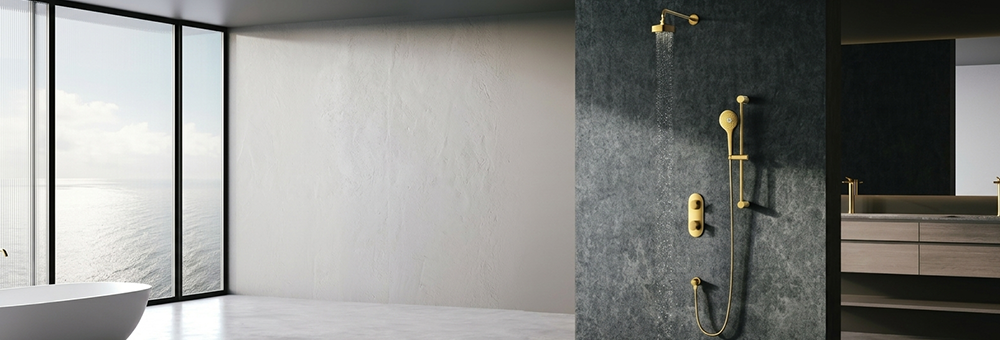
A shower should do more than meet the basic needs of your daily routine. It should offer comfort, flexibility and a showering experience that suits the way you live. While a conventional shower with a single shower head works well for many households, a dual shower head system introduces another level of convenience by combining two different water outlets in one setup.
Imagine starting your morning beneath a broad overhead shower and switching to a handheld shower head when you need more precise control. You could also choose a system that allows both outlets to operate together, subject to the design of the shower valve and the available water supply. This combination of flexibility and functionality makes dual shower heads an appealing option for contemporary bathrooms.
But are dual shower heads worth the investment? Do they improve the showering experience, and what should you consider before installing one?
In this guide, we explore the main benefits of dual shower heads, the different types available, their practical applications, installation considerations and maintenance requirements. Whether you are renovating an existing bathroom or planning a new shower space, understanding these factors will help you decide if a dual shower system is the right choice for your home.
Table of Contents
- What Is a Dual Shower Head System?
- The Main Benefits of Dual Shower Heads
- Types of Dual Shower Head Systems
- Are Dual Shower Heads Suitable for Every Bathroom?
- Do Dual Shower Heads Need High Water Pressure?
- Do Dual Shower Heads Use More Water?
- What Should You Consider Before Buying Dual Shower Heads?
- How to Install Dual Shower Heads
- How to Maintain Dual Shower Heads
- Common Mistakes to Avoid When Choosing Dual Shower Heads
- Frequently Asked Questions About Dual Shower Heads
- Final Thoughts
What Is a Dual Shower Head System?
A dual shower head system features two shower outlets connected to a shared shower installation. The configuration typically combines a fixed overhead shower head with a handheld shower head attached to a flexible hose.
The two outlets serve different purposes. An overhead shower provides a fixed spray from above, while a handheld shower can be removed from its bracket and directed towards a particular area. Depending on the system, you may be able to use one outlet at a time or operate both simultaneously.
Dual shower systems are available in several configurations, from relatively straightforward combinations of a fixed shower head and handset to more elaborate installations with multiple spray functions and concealed controls.
How Does a Dual Shower Head System Work?
The arrangement depends on the shower valve, diverter and plumbing configuration.
In a system designed for individual outlet selection, a diverter directs water towards the overhead shower or the handheld shower. You select the outlet you want to use, and the other remains inactive.
Some systems allow two outlets to operate together. These require a suitable valve and water supply capable of delivering the necessary flow. The actual performance depends on the system design, available pressure, flow rate and whether the outlets are intended to operate simultaneously.
Before choosing a dual shower head arrangement, check the manufacturer's specifications rather than assuming that every system supports simultaneous operation.
The Main Benefits of Dual Shower Heads
Dual shower heads offer more than an additional fixture. When selected and installed appropriately, they can make a bathroom more adaptable, simplify everyday tasks and create a more personalised showering experience.
1. Enjoy Greater Flexibility When Showering
One of the biggest advantages of a dual shower head system is the ability to choose between two different ways of showering.
An overhead shower provides a fixed spray from above, making it suitable for a straightforward, hands-free shower. A handheld shower, by contrast, can be lifted from its bracket and directed wherever it is needed.
This flexibility is useful for different routines. You might prefer the overhead shower for your usual morning shower, then switch to the handset when rinsing shampoo from your hair or cleaning the shower enclosure.
The ability to choose the most appropriate outlet also makes a dual system useful for households in which different people have different preferences.
Rather than selecting one type of shower head and accepting its limitations, you can combine the benefits of a fixed outlet and a flexible handset.
2. Create a More Comfortable Showering Experience
Different shower heads deliver water in different ways. A large overhead shower can provide broad coverage, while a handheld shower offers a more directed spray.
This means you can tailor the experience to your preferences. An overhead rainfall-style shower may suit a slower, more relaxed routine, whereas a handheld shower can provide greater control when you want a quicker, more targeted rinse.
Some shower heads also offer multiple spray patterns. Depending on the model, these may include different combinations of normal, soft, massage or other specialised flows.
When comparing options, consider the spray pattern, coverage and water requirements of each outlet. The right combination should feel comfortable and practical rather than simply adding more equipment.
Explore the shower collection to understand the different shower heads, handsets, controls and accessories available for a coordinated shower installation.
3. Make Washing and Rinsing Easier
A fixed shower head is convenient for general showering, but its position can limit how precisely you direct the water.
A handheld shower head addresses this limitation. You can bring the spray closer when rinsing your hair, direct water away from sensitive areas or reach parts of the body that are difficult to rinse beneath a fixed outlet.
This can make everyday showering feel more straightforward, particularly when you want greater control over the direction of the water.
It is also useful when rinsing soap or shampoo from the shower tray and walls. Instead of relying on a fixed spray, you can direct the water towards the surfaces that need cleaning.
The practical benefit is simple: the shower becomes more adaptable to the task rather than requiring you to work around a fixed spray position.
4. Improve Convenience for Families
In a family bathroom, the shower may need to accommodate different heights, preferences and routines.
An overhead shower provides a consistent fixed outlet, while a handheld shower offers more control over the spray direction. This combination can make the installation more versatile for different household members.
For example, a handheld shower can make rinsing easier for someone who prefers not to stand directly beneath an overhead spray. It can also be useful when washing children, although children should always be supervised around hot water and shower controls.
For households with pets, a suitable handheld shower may simplify rinsing, provided the animal is comfortable with the experience and the water temperature is appropriate.
When choosing a family shower, consider the handset's reach, the height of the rail, the flexibility of the hose and how easily each user can operate the controls.
5. Make Cleaning the Shower Enclosure Easier
Cleaning is another practical reason to consider a dual shower head system.
A handheld shower can direct water towards the shower tray, glass panels, corners and other accessible surfaces. This makes rinsing away loosened soap residue after cleaning easier than relying on a fixed overhead outlet.
It can also help when cleaning a bathtub fitted with a shower, particularly around the edges and other areas that are awkward to reach.
The handset does not replace regular cleaning or prevent mineral deposits from forming. However, its flexibility can make the rinsing stage more convenient.
For the best results, use a suitable bathroom cleaner and follow the care instructions for your glass, tiles, shower tray and metal finishes. Avoid directing water towards unsealed joints or areas that are not designed to get wet.
6. Add Visual Interest to a Modern Bathroom
A dual shower head system can become an important part of the bathroom's overall design.
A ceiling-mounted or wall-mounted overhead shower can create a clean visual focal point, while a coordinated handheld shower adds functionality without necessarily disrupting the overall appearance.
The choice of finish also influences the result. Chrome can complement a range of bathroom styles, while darker or warmer finishes may suit a more distinctive interior scheme. The available options depend on the product range and configuration.
Concealed shower valves can further simplify the appearance by keeping much of the installation behind the wall, although they require appropriate planning and access for maintenance.
For a coordinated design, explore the shower head collection and shower accessories.
7. Support Different Showering Preferences in One Bathroom
A dual shower system can be a practical compromise when people sharing a bathroom prefer different showering experiences.
One person may favour the broad coverage of an overhead shower, while another may prefer the precision of a handheld unit. A dual arrangement accommodates both without requiring separate shower installations.
The same flexibility can be useful at different times of day. You might use the overhead outlet for your regular shower and the handset for a quick rinse after exercise or for cleaning the shower afterwards.
If the system supports multiple spray patterns or outlet combinations, the available choices may be even greater. However, the number of functions should not be confused with performance. Water pressure, temperature stability and ease of operation remain important considerations.
8. Offer More Options When Planning a Bathroom Renovation
A bathroom renovation is an opportunity to improve how the space works, not just how it looks.
Choosing a dual shower head system at the planning stage allows you to consider the position of the overhead outlet, the handset rail, the controls and the water connections together.
This is particularly useful when designing a walk-in shower or updating an existing enclosure. The layout can be planned around the people using the bathroom, the available space and the preferred showering routine.
If the installation uses concealed pipework, it is important to plan the valve, diverter and maintenance access before the wall is finished. Retrofitting an additional outlet may be more complicated if the existing plumbing was designed for only one shower head.
A coordinated approach can help avoid unnecessary alterations later.
9. Provide Flexibility Without Needing a Separate Shower Installation
A dual shower head system can add functionality within one showering area. Instead of installing two independent showers, you can combine two outlets within the same enclosure.
This can be especially useful in bathrooms where space is limited but a more adaptable showering experience is desired.
However, the overall layout still matters. A second shower head will not automatically make a small shower more comfortable if the enclosure is cramped, the controls are difficult to reach or the outlets are positioned poorly.
Consider the usable showering space, the direction of each spray and the location of the shower door before selecting the configuration.
10. Allow More Personalised Water Coverage
A dual shower head system gives you a choice of spray positions, but the benefit depends on the specific installation.
A fixed overhead shower delivers water from above. A handheld shower allows you to change the angle and direction of the spray. Some systems also offer multiple spray patterns or additional outlets, creating further options for how water reaches the body.
If you want broad coverage, look at the size and spray design of the overhead shower. If you prefer targeted rinsing, pay attention to the handset's grip, hose length and spray settings.
Remember that a larger shower head or an additional outlet does not necessarily mean stronger water pressure. The available flow depends on the plumbing system and the combined demands of the selected outlets.
Types of Dual Shower Head Systems
The term dual shower head covers several configurations. Understanding the differences will help you select a system that matches your bathroom layout and preferred way of showering.
| System Type | How It Works | Best Suited To |
|---|---|---|
| Overhead shower and handheld shower | Combines a fixed head with a flexible handset | Everyday flexibility and easy rinsing |
| Rain shower and handheld shower | Pairs broad overhead coverage with a directed spray | Bathrooms focused on comfort and adaptable use |
| Dual shower with diverter | Allows selection between outlets, depending on the valve design | Households that generally use one outlet at a time |
| Simultaneous dual-outlet system | Allows both outlets to run together if designed for this function | Users who want combined water coverage |
| Multi-function shower system | May combine an overhead shower, handset and other outlets | Larger shower spaces and more elaborate installations |
Not every configuration is suitable for every bathroom. Check the manufacturer's specifications, outlet compatibility and water-supply requirements before purchasing.
Overhead Shower with Handheld Shower
This is one of the most practical combinations. The overhead shower provides a fixed spray, while the handset adds flexibility for targeted rinsing and cleaning.
It can work in a range of bathroom styles, from a simple enclosure to a larger walk-in shower.
Rain Shower with a Handheld Unit
A rainfall-style overhead shower typically has a broad spray area, while the handheld unit provides a more focused stream.
The contrast between the two outlets is useful for people who enjoy broad water coverage but still want the convenience of a movable shower head.
Dual Shower Heads with Simultaneous Operation
Some systems allow both outlets to operate at once. This can provide a different showering experience, but it also increases the combined demand on the water supply.
Before choosing this arrangement, confirm that the valve is designed for simultaneous use and that the plumbing can supply the required flow at a suitable temperature.
Multi-Outlet Shower Systems
More elaborate shower systems may incorporate additional outlets, such as body jets. These installations require careful planning because every outlet contributes to the system's total water demand.
For information about different configurations, read Jaquar UK's guide to choosing the right shower system.
Are Dual Shower Heads Suitable for Every Bathroom?
Dual shower heads offer useful advantages, but they are not automatically the best choice for every space.
The suitability of the system depends on the bathroom layout, the available water supply, the existing plumbing and the needs of the people using it.
Small Bathrooms
A dual system can work in a compact bathroom, particularly when the overhead shower and handset are positioned efficiently. However, the second outlet should not make the enclosure feel crowded or interfere with movement.
Consider a neat wall-mounted arrangement, a suitable handset rail and controls that are easy to reach. The aim is to improve flexibility without compromising the available space.
For more inspiration, explore these small bathroom ideas.
Walk-In Showers
Walk-in showers can accommodate a dual shower head system particularly well when the outlets and controls are planned around the enclosure's dimensions.
An overhead shower can create a defined showering zone, while a handheld unit offers additional control for rinsing and cleaning.
However, the location of the drain, the direction of the spray and the position of the glass screen should be considered to reduce unnecessary splashing.
Family Bathrooms
A dual system can suit family bathrooms because it accommodates different preferences and makes targeted rinsing easier.
Look for controls that are simple to operate, a handset that can be positioned at a suitable height and a shower valve that provides appropriate temperature control.
Ensuite Bathrooms
In an ensuite, a dual shower head system can add flexibility without requiring a separate shower area. The best configuration depends on the available floor space and whether the design prioritises simplicity, visual impact or multiple functions.
Concealed controls and coordinated finishes may help create a consistent appearance, provided the installation allows appropriate access for maintenance.
Do Dual Shower Heads Need High Water Pressure?
Water pressure is one of the most important considerations when choosing a dual shower head system.
The pressure and flow available in your home influence how well each outlet performs. A large overhead shower may have different flow requirements from a compact handset, and operating both together can place additional demand on the system.
If the available supply is insufficient, the flow may feel weaker than expected when both outlets are running. The water temperature may also fluctuate if the installation or hot-water system cannot accommodate the demand.
Before buying a dual shower system, consider the following:
- Available water pressure: Ask an installer to assess the supply and whether it suits the chosen shower outlets.
- Flow rate: Check the manufacturer's specified flow requirements for each outlet.
- Hot-water capacity: Confirm that the hot-water system can meet the expected demand.
- Valve compatibility: Make sure the shower valve and diverter support the intended outlet configuration.
- Simultaneous operation: Verify whether both outlets can operate together, rather than assuming they can.
A qualified installer can assess the existing plumbing and recommend a suitable arrangement.
For additional guidance, read Jaquar UK's article on how to fix low shower pressure.
Do Dual Shower Heads Use More Water?
The amount of water used depends on the flow rate of the outlets, how long the shower runs and whether one or both shower heads operate at the same time.
If you use only one outlet at a time, consumption will depend primarily on the selected shower head and the duration of use. If both outlets operate simultaneously, the combined flow may be higher than that of a single outlet.
This does not mean that every dual shower system necessarily uses excessive water. The actual consumption depends on the products and how they are used.
To manage water use, consider these practical steps:
- Choose shower heads with flow characteristics suited to your needs and water supply.
- Keep showers to a reasonable duration.
- Use the handset when targeted rinsing is more practical than running a large overhead shower.
- Turn the water off while carrying out tasks that do not require a running shower.
- Address leaks promptly.
- Check the product specifications before purchasing, especially if water consumption is a priority.
If you prefer to use both outlets together, understand their combined flow rate before deciding whether the arrangement suits your household.
What Should You Consider Before Buying Dual Shower Heads?
Choosing the right system involves more than comparing appearance and price. The following factors can help you narrow down the options.
1. The Type of Shower Heads
Start by deciding which combination would be most useful. An overhead shower paired with a handheld unit is a versatile option, while a larger rainfall shower may appeal if broad coverage is a priority.
Think about your everyday routine rather than selecting additional features simply because they are available.
2. The Shower Valve and Diverter
The valve controls the water supply and temperature, while a diverter directs water between compatible outlets.
Check that the selected components are designed to work together. If you want both outlets to operate simultaneously, make sure the valve supports that function.
3. The Available Water Supply
The plumbing system must provide sufficient flow and suitable temperature control for the chosen configuration. This is particularly important when both outlets may be used together.
An installer can check the existing supply before you commit to a particular system.
4. The Hose Length and Handset Position
A handheld shower should be comfortable to use and easy to return to its bracket. Consider the height of the rail, the reach of the hose and whether the handset can be positioned conveniently for different users.
A hose that is too short may restrict movement, while a poorly positioned bracket can make the handset awkward to reach.
Explore handsets and shower hoses to compare available styles and accessories.
5. The Installation Method
Some dual shower systems use exposed pipework and controls, while others rely on concealed valves and connections.
Concealed installations can create a streamlined appearance, but they require careful planning before the wall is closed. Exposed systems may be easier to inspect, depending on the arrangement.
Discuss the installation method with your plumber, particularly if you are adding a second outlet to an existing shower.
6. The Bathroom's Overall Design
Choose a combination that complements the enclosure, tiles, shower tray and other bathroom fittings.
Coordinating finishes can help the different components feel like part of the same design. Consider the position and size of the overhead shower as well as the visual impact of the handset rail and controls.
7. Cleaning and Maintenance
Shower heads need periodic cleaning to remove limescale and other deposits. Look for products that can be cleaned in accordance with the manufacturer's instructions.
The handset, hose, shower head and valve should all be accessible for routine inspection. Avoid selecting a system whose maintenance requirements are difficult to accommodate.
8. Your Budget
The total cost includes more than the shower heads themselves. Depending on the installation, you may also need a valve, diverter, shower arm, hose, wall outlet, pipework alterations and labour.
A straightforward replacement may be less involved than installing concealed pipework or adding an outlet to an existing shower. Obtain a clear installation estimate before making a final decision.
How to Install Dual Shower Heads
The installation process depends on the chosen products and the existing plumbing. Replacing a compatible shower head and adding a new outlet are very different tasks, so there is no single installation method that applies to every system.
For a new dual shower installation, a qualified plumber should assess the water supply, valve, pipework, outlet positions and the structure of the shower area.
A typical installation project may involve the following stages.
Step 1: Assess the Existing Plumbing
Confirm the type of water system, available pressure, hot-water capacity and condition of the existing pipework. Establish whether the supply can support the selected outlets and whether simultaneous operation is required.
Step 2: Select Compatible Components
Choose the shower heads, valve, diverter, hose and outlets as a coordinated system. Confirm compatibility using the manufacturers' installation documentation.
Step 3: Plan Outlet Positions
Determine the position of the overhead shower, handset bracket and controls. The layout should provide comfortable access and avoid unnecessary splashing outside the showering area.
Step 4: Install the Valve and Pipework
A plumber should carry out the required pipework alterations and install the valve according to the manufacturer's instructions and applicable UK plumbing requirements.
For concealed installations, the components and pipe connections should be checked before the wall is finished.
Step 5: Connect and Test the Outlets
The installer should check for leaks, confirm that the diverter operates correctly and verify that the outlets provide suitable flow and temperature control.
If the system supports simultaneous operation, this function should also be tested under normal operating conditions.
Step 6: Complete the Installation
Fit the remaining components, seal the appropriate joints and clean the finished surfaces. Keep the product instructions and maintenance guidance for future reference.
If you are simply replacing an existing shower head, the process may be more straightforward. Even so, check the connection type and product instructions before beginning.
How to Maintain Dual Shower Heads
Regular maintenance helps keep both outlets working as intended and reduces the likelihood of problems developing unnoticed.
Clean the Shower Heads Regularly
Mineral deposits can accumulate around the spray nozzles, particularly in hard-water areas. Clean the shower heads according to the manufacturer's guidance and use products suitable for the finish.
Do not use sharp tools to clear blocked nozzles, as these can damage the spray plate.
Check the Shower Hose
Inspect the hose for kinks, wear, leaks or damage. Ensure it moves freely and does not become trapped behind the shower fittings.
Replace a damaged hose with a compatible product rather than attempting an improvised repair.
Inspect the Connections
Look for signs of leaking around the shower head, hose, wall outlet and visible connections. Address leaks promptly to avoid water waste and potential damage.
If a leak comes from concealed pipework or a valve, arrange professional inspection.
Monitor the Water Flow
If one outlet becomes noticeably weaker, check for visible limescale or debris and clean the shower head if appropriate.
If both outlets experience reduced flow, the cause may be related to the water supply, valve or plumbing rather than the shower heads themselves.
Maintain the Controls
Operate the diverter and temperature controls as intended. If a control becomes stiff, leaks or fails to direct water correctly, consult the manufacturer's guidance or a qualified plumber.
For more advice, explore Jaquar UK's guide to choosing the right shower head.
Common Mistakes to Avoid When Choosing Dual Shower Heads
A dual shower head system can be a useful upgrade, but the wrong configuration may create unnecessary expense or fail to deliver the experience you expect.
Assuming Both Outlets Will Run Together
Some systems are designed to select one outlet at a time. Others allow simultaneous use. Always check the valve and product specifications before buying.
Overlooking Water Pressure
A large overhead shower and a handheld unit may have different flow requirements. If the available supply cannot meet the combined demand, performance may be disappointing.
Choosing Appearance Over Practicality
A visually striking shower head is not necessarily the most suitable option for your bathroom. Consider spray coverage, controls, cleaning requirements and the needs of everyone using the shower.
Forgetting About Maintenance Access
Concealed installations need appropriate planning so that components can be inspected or serviced when necessary. Discuss access arrangements with the installer before the wall is finished.
Expecting a Dual System to Reduce Water Use Automatically
An additional outlet does not inherently save water. Consumption depends on the flow rate, duration and whether one or both outlets operate.
Mixing Incompatible Components
Shower heads, valves, diverters and outlets must be compatible. Confirm the required connections and operating specifications before purchasing individual parts.
Frequently Asked Questions About Dual Shower Heads
What is the main benefit of having two shower heads?
The main benefit is flexibility. An overhead shower provides a fixed spray, while a handheld shower offers more control over the direction of the water. Together, they can make everyday showering, targeted rinsing and cleaning more convenient.
Can you use two shower heads at the same time?
Yes, if the system is specifically designed for simultaneous operation. The valve, diverter and water supply must support the combined flow. Some dual systems allow only one outlet to operate at a time, so check the product specifications.
Do dual shower heads need more water pressure?
They may require a greater flow capacity, particularly when both outlets operate simultaneously. Whether additional pressure is needed depends on the shower heads, valve, plumbing system and available supply.
Are dual shower heads worth it?
They can be worth considering if you value the combination of broad overhead coverage and a flexible handset. They are particularly useful for households with different showering preferences or for people who want easier rinsing and cleaning. The value depends on your needs, budget and existing plumbing.
Do dual shower heads use more water?
They can use more water when both outlets run together because the combined flow may exceed that of a single outlet. If you use one outlet at a time, consumption depends on the selected shower head and how long the shower runs.
Can I add a second shower head to my existing shower?
In some bathrooms, yes. However, adding another outlet may require a compatible valve or diverter, additional pipework and changes to the existing installation. A plumber should assess the water supply and confirm which components are suitable.
Are dual shower heads suitable for small bathrooms?
They can be, provided the outlets and controls are positioned carefully. A compact overhead shower paired with a handheld unit can add flexibility without requiring a second shower enclosure. Make sure the installation does not restrict movement or create excessive splashing.
What is the difference between a dual shower head and a multifunction shower head?
A dual shower head system uses two separate outlets, commonly an overhead shower and a handheld shower. A multifunction shower head generally offers different spray patterns through one outlet. Some shower systems combine both arrangements.
Is a rainfall shower head a good choice for a dual system?
A rainfall shower head can work well alongside a handheld unit if the water supply and valve are suitable. The overhead shower provides broad coverage, while the handset offers targeted control. Check the size, flow requirements and installation specifications before choosing the combination.
How do I clean dual shower heads?
Clean both outlets according to the manufacturer's instructions, using suitable products for the materials and finishes. Remove visible limescale safely, inspect the hose and check the connections for leaks. Avoid sharp tools and abrasive cleaners that may damage the components.
Final Thoughts
Dual shower heads offer a practical way to combine the broad coverage of an overhead shower with the flexibility of a handheld unit. From everyday rinsing and easier shower cleaning to accommodating different household preferences, the additional outlet can make a shower more adaptable.
However, the best system is not necessarily the one with the most features. Water pressure, flow rate, temperature control, valve compatibility, installation requirements and maintenance access all influence how well a dual shower head system performs.
Before making a decision, consider how you use your shower, whether you want one or both outlets to run simultaneously and what your existing plumbing can support. A qualified installer can help you choose a compatible arrangement and ensure that it works as intended.
If you are planning a bathroom renovation or upgrading your current shower, explore the shower collection, including shower heads and handsets and shower hoses. With the right combination of design, functionality and installation planning, you can create a showering space that suits your routine and complements your bathroom.


